.png)
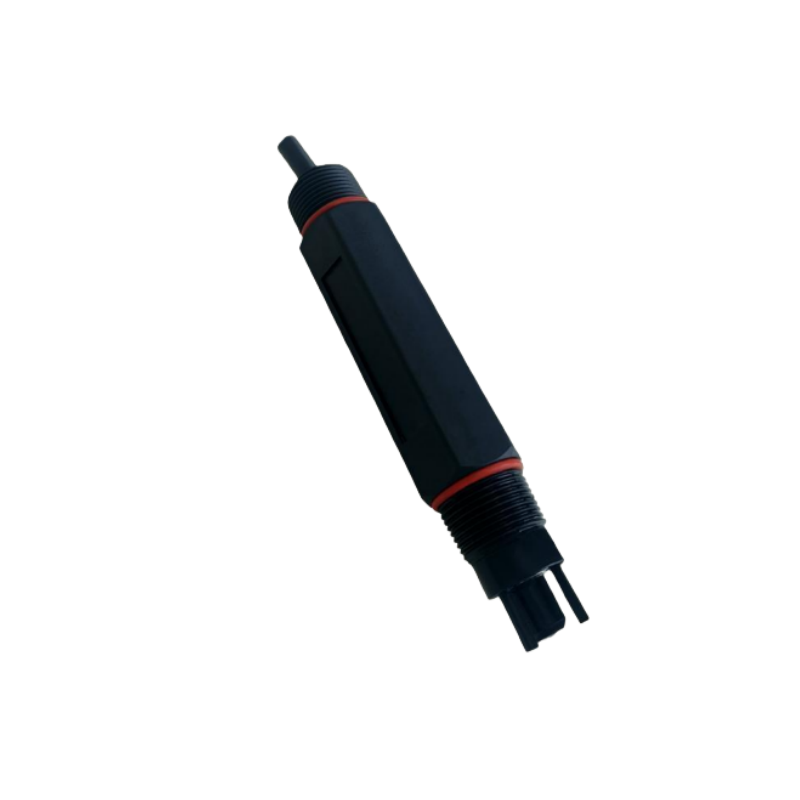
TS-150 is a polarographic constant-temperature dissolved oxygen electrode. It works with hard water because it doesn’t need to change its membrane or electrolyte, and its POM housing and strengthened composite permeable membrane with steel mesh protect it from damage and pollution. Cathode-anode polarization gives off a current that is related to the partial pressure of oxygen in the water. It helps with accurate measurements for online dissolved oxygen analysis in wastewater tracking, fish pond aquaculture, water treatment, and other uses. From 0 to 19.99 mg/L of liquid oxygen can be measured by the device.
★★★★★
Feature
Measurement principle
The measurement principle of TS-150 dissolved oxygen electrode is based on the polarographic method (Clark-type diaphragm sensor).
It consists of a cathode and an anode connected by a conductive electrolyte. When an appropriate polarization voltage is applied between the cathode and anode, oxygen (O₂) is reduced at the cathode, while a corresponding oxidation reaction occurs at the anode. These electrochemical reactions generate a current that is proportional to the partial pressure of oxygen in the measured solution.
The specific reactions are as follows:
- Cathode reaction: O₂ + 2H₂O + 4e⁻ → 4OH⁻
- Anode reaction: 4Ag + 4Cl⁻ → 4AgCl + 4e⁻
Parameters
| Category | Specifications |
|---|---|
| Measurement Principle | Polarographic method (Clark-type diaphragm sensor) |
| Measurement Range | 0~19.99mg/L, detection limit <40ppb |
| Response Time | <2 minutes (90% reduction of oxygen content at 25℃) |
| Operating Conditions | Temperature: 0~60℃; Pressure: 0~4bar (0.4Mpa) |
| Electrode Signal | 20~80nA at 25℃ (customizable per customer requirements) |
| Temperature Compensation | Thermistor resistance (customizable) |
| Residual Current | <2% of full scale (room temperature signal in oxygen-free medium) |
| Membrane Material | Steel screen-reinforced PTFE + Polysiloxane composite membrane |
| Physical Parameters | Dimensions: Diameter 33mm, Length 140/161mm; Thread Interface: 3/4NPT/G3/4 (customizable); Cable Length: Standard 5m (max. customizable to 30m) |
| Housing Material | POM (Polyoxymethylene) shell, POM membrane cap |
Core Highlights
- The strong steel mesh reinforced composite breathable fabric keeps dirt out of fish ponds and wastewater.
- A dependable, sensitive response: The reaction time is less than 2 minutes at 25 °C, the residual current is less than 2% at full capacity, and the measurement data is accurate.
- You can change the wire length (up to 30 meters), install it with 3/4NPT/G3 threads, and place it on a wall or panel.
- It can handle temperatures from 0 to 60 degrees Celsius, pressures from 0 to 4 bar, and is compatible with online dissolved oxygen controllers. It may also be used for monitoring water quality and hydrology.
Featured Applications
- Wastewater treatment: monitoring of dissolved oxygen concentration in aeration tanks and biochemical reaction tanks of sewage treatment plants, and resistance to pollutant interference.
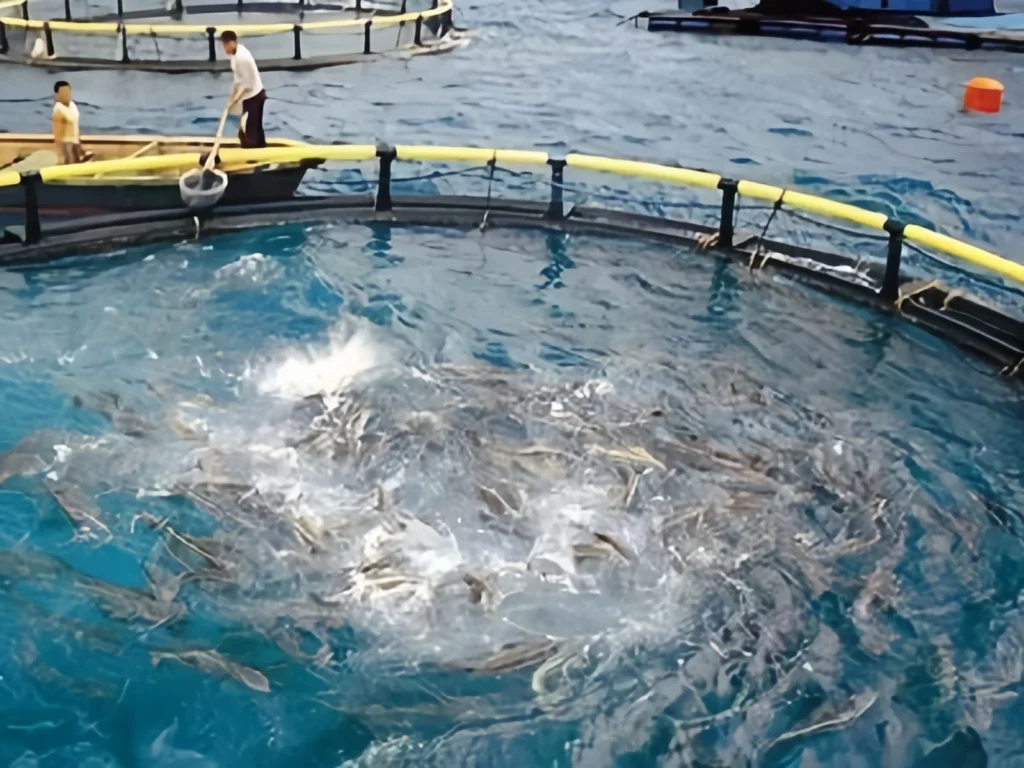
- Aquaculture: Real time monitoring of dissolved oxygen in aquatic environments such as fish ponds and shrimp ponds to ensure the survival of aquaculture organisms.
- Water quality monitoring: detection of oxygen content in surface water, groundwater, and swimming pool water, suitable for routine monitoring needs.
- Industrial assistance: Dissolved oxygen monitoring of mildly polluted water in the fields of fertilizers, chemicals, and biology, stable and durable.
Daily maintenance and precautions
Maintenance points
- When installing, choose matching protective sleeves or cable connectors to ensure that the threaded interface is tightly sealed and avoid water leakage.
- The connection between the electrode wire and the electrode is not waterproof, and waterproof treatment should be done to avoid moisture affecting signal transmission.
- When stripping the wire, it is necessary to peel off the metal mesh layer, thoroughly remove the conductive black skin on the outer layer of the transparent central axis, and there should be no additional contacts in the middle.
- Avoid electrode contact with sharp objects to prevent membrane damage; The installation location should be away from strong magnetic fields and mixers to ensure stable measurement.
- Before the first use, it is necessary to connect polarization with the host and complete zero and slope calibration according to the host calibration process to improve measurement accuracy.
Safety precautions
- Every three to six months, wash the surface with clean water to get rid of anything stuck on it. This keeps the membrane’s water moving.
- Clean, seal, and store the electrode somewhere dry if you’re not going to use it for a while. The barrier won’t break down because of this.
- It is important to check the cable link and make any changes that are needed to make sure the signal gets through if the test data changes.
- Heavy acid or alkaline liquids can damage electrodes over time, so don’t leave them in them for too long.
Technical Support
Top 6 Industrial Gas Analyzers Manufacturers 2025
6 Best Industrial Gas Detector Manufacturers in the World
9 Best Portable Carbon Dioxide Detector 2025 – Complete Buying Guide
Top 7 portable combustion analyzer Tested
The core advantages of TS-150 dissolved oxygen electrode, such as maintenance avoidance, anti pollution, and high stability, perfectly meet the requirements of dissolved oxygen monitoring in complex water quality environments. Whether it is wastewater treatment, aquaculture, or water quality testing, it can provide accurate and reliable sensing signals, reducing user maintenance difficulties while ensuring long-term stable operation.
We provide professional technical support, including installation guidance and calibration suggestions. If you have any questions about product selection, customization, or use, please feel free to contact us at any time. Make TS-150 electrode your reliable partner for water quality monitoring!
Request a Quote