.png)
Carbon monoxide (CO) remains one of the most significant environmental health hazards in both residential and industrial settings. Often called the silent killer, this colorless, odorless, and tasteless gas is a byproduct of incomplete combustion. As we move into 2026, global health organizations and industrial safety boards have updated their standards to better protect populations from chronic low-level exposure and acute poisoning. Understanding a carbon monoxide levels chart is no longer just for safety professionals; it is a critical requirement for homeowners and facility managers alike.

- What is Carbon Monoxide and Why it Matters in 2026
- 2026 Carbon Monoxide Levels Chart (PPM)
- Physiological Effects of CO Exposure
- Industrial Safety Standards and Workplace Limits
- Advanced Monitoring with Sino-Inst Solutions
- New Residential Safety Requirements for 2026
- Frequently Asked Questions (FAQs)
- References and Further Reading
What is Carbon Monoxide and Why it Matters in 2026
In 2026, the emphasis on indoor air quality (IAQ) has reached an all-time high. Carbon monoxide is produced whenever fuel such as gas, oil, coal, or wood is burned. While modern appliances are designed for efficiency, malfunctions or poor ventilation can lead to a rapid accumulation of CO. The primary danger of carbon monoxide is its ability to bind with hemoglobin in the blood, forming carboxyhemoglobin (COHb), which prevents oxygen from reaching vital organs.
The carbon monoxide levels chart provides a standardized way to measure concentration in parts per million (PPM). Even slight variations in these numbers can mean the difference between a mild headache and a life-threatening emergency. In 2026, new regulations in various regions now require more sensitive detection equipment that can monitor lower PPM levels than previous generations of hardware.
2026 Carbon Monoxide Levels Chart (PPM)
The following carbon monoxide levels chart reflects the most recent 2026 updates from health and safety agencies including the WHO, EPA, and OSHA. These figures are crucial for interpreting readings from gas detectors.
| 20 PPM | 8 Hours | New 2026 Workplace Limit (Reduced from 30/50 PPM in many regions). |
| CO Concentration (PPM) | Exposure Duration | Health Impact / Action Required |
|---|---|---|
| 0.5 – 5 PPM | Continuous | Normal background levels in homes without gas stoves. Safe. |
| 9 PPM | 8 Hours | EPA and WHO residential limit for 8-hour indoor exposure. |
| 35 PPM | 1 Hour | EPA outdoor air quality standard; maximum short-term residential level. |
| 50 PPM | 8 Hours | Previous OSHA Permissible Exposure Limit (Still active in some sectors). |
| 100 PPM | 2 Hours | Slight headache, fatigue, and dizziness. |
| 200 PPM | 2 – 3 Hours | Frontal headache, nausea, and physical discomfort. |
| 400 PPM | 1 – 2 Hours | Life-threatening after 3 hours. Widespread headache and nausea. |
| 800 PPM | 45 Minutes | Dizziness, nausea, and convulsions. Death possible within 2-3 hours. |
| 1,600 PPM | 20 Minutes | Headache and tachycardia. Death in less than 2 hours. |
| 12,800 PPM | 1 – 3 Minutes | Immediate death. |
Physiological Effects of CO Exposure
The human body’s reaction to carbon monoxide is cumulative. According to the carbon monoxide levels chart, low levels over a long period can be just as dangerous as high levels over a short period. This is often referred to as chronic CO poisoning.
Acute vs. Chronic Poisoning
Acute poisoning occurs when you are exposed to high concentrations, such as 400 PPM or higher. Symptoms appear rapidly and include confusion, loss of consciousness, and respiratory failure. Chronic poisoning, however, involves levels between 10 and 50 PPM. Individuals may experience persistent flu-like symptoms, memory loss, and irritability without ever realizing they are being poisoned by a faulty furnace or water heater.
The 2026 Shift in Sensitivity
Medical research in 2025 led to the 2026 guideline changes, highlighting that vulnerable populations—including infants, the elderly, and those with pre-existing heart conditions—can suffer adverse effects at levels as low as 15 PPM if exposure is prolonged. This is why a modern carbon monoxide levels chart emphasizes the TWA (Time Weighted Average) more than ever before.
Industrial Safety Standards and Workplace Limits
For industrial professionals, the carbon monoxide levels chart is a mandatory safety tool. Regulatory bodies have tightened the strings on workplace exposure standards. Starting December 1, 2026, many international jurisdictions are reducing the 8-hour Time Weighted Average (TWA) from 30 PPM to 20 PPM. This reflects a commitment to reducing long-term cardiovascular risks for workers in high-traffic or manufacturing environments.
Workplace Exposure Limits (WEL)
The 2026 Workplace Exposure Limits (WEL) require businesses to not only monitor the air but also to have automated gas monitoring systems that trigger alarms at lower thresholds. If a gas sensor module detects levels exceeding the 20 PPM TWA, administrative or engineering controls must be implemented immediately.
Advanced Monitoring with Sino-Inst Solutions

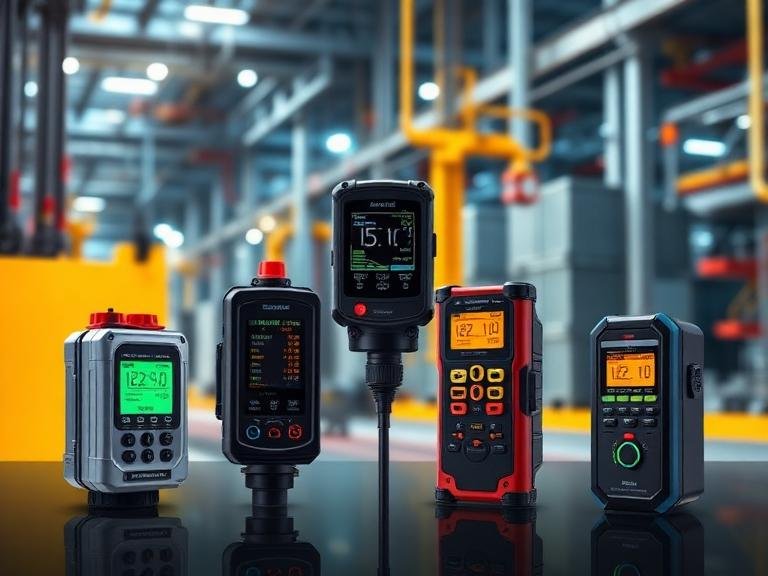
Accurate measurement is the only way to adhere to the carbon monoxide levels chart. Sino-Inst is a professional supplier of industrial process and analytical instruments, include gas detectors, gas analyzers, dust detectors, mass flow controllers, and dust monitors. We can help you obtain reliable measurement and analysis solutions while saving procurement costs. Customized products and OEM services are available. We will be your most trusted partner!
To stay compliant with the latest 2026 safety standards, Sino-Inst provides a comprehensive range of equipment designed for precision:
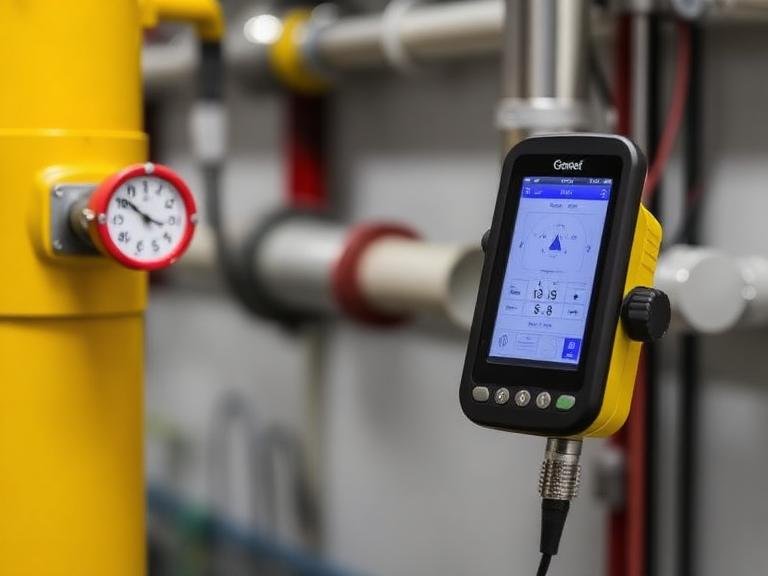
- Fixed Gas Detectors: Essential for continuous 24/7 monitoring in boiler rooms, parking garages, and chemical plants.
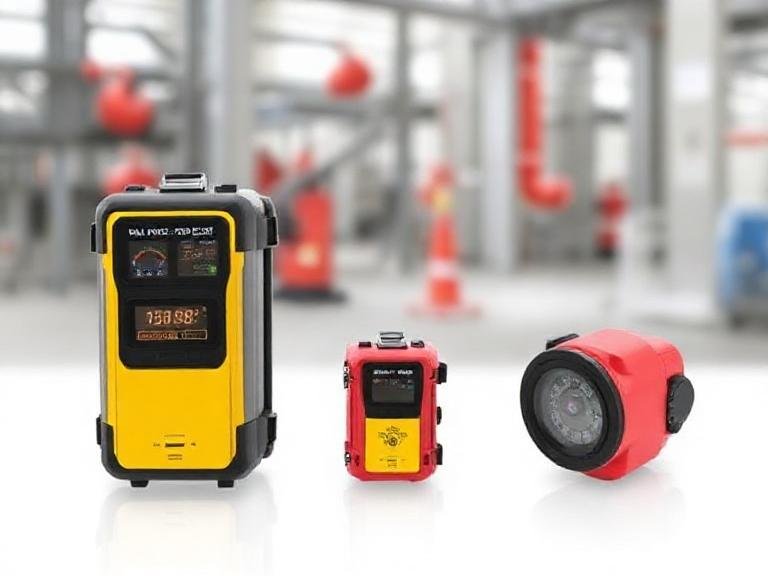
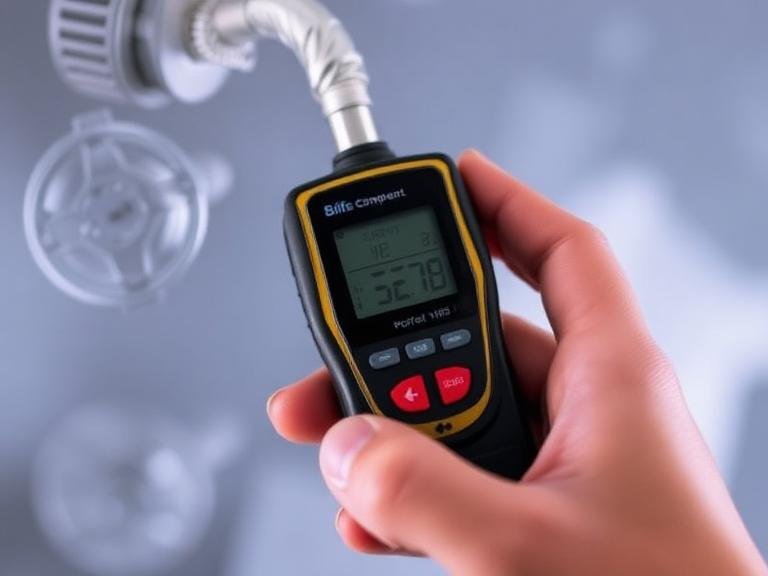
- Portable Gas Detectors: Vital for workers entering confined spaces or performing maintenance where CO leaks are a risk.
- Gas Sensor Modules: High-accuracy components that can be integrated into larger building management systems.
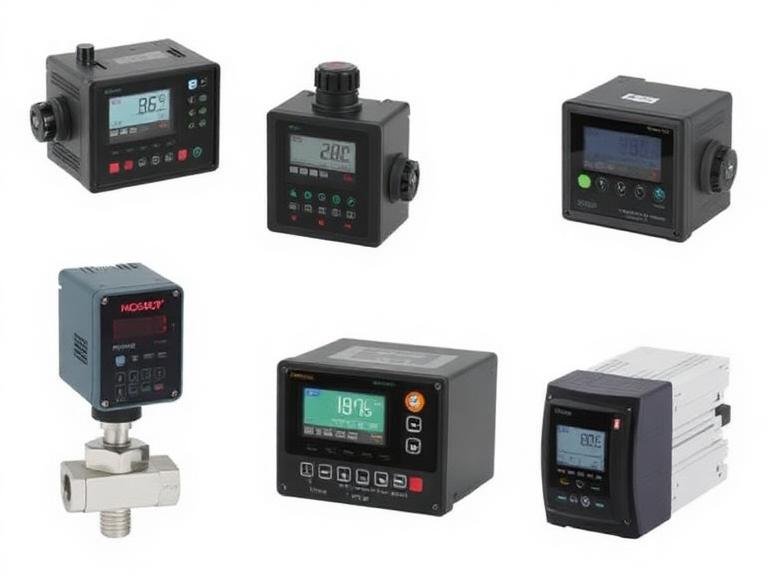
- Gas Monitoring Systems: Centralized hubs that track data across multiple zones to ensure adherence to the carbon monoxide levels chart.
- Mass Flow Controllers/Meters: Used in laboratory and industrial processes to ensure gas mixtures remain within safe parameters.
New Residential Safety Requirements for 2026
2026 marks a turning point for residential safety. Many fire codes, such as the updated Ontario Fire Code and several US state regulations, now mandate CO alarms on every floor of a home. Previously, alarms were only required near sleeping areas. This change acknowledges that CO can accumulate in basements or utility rooms long before it reaches a bedroom detector.
Safe Levels for the Home
According to the carbon monoxide levels chart, home levels should ideally remain below 9 PPM. If your home detector displays a reading of 30 PPM or higher, it is time to investigate. Modern “smart” detectors available in 2026 often include digital displays that show the peak level recorded, allowing homeowners to see if small leaks are occurring while they are away.
Frequently Asked Questions (FAQs)
References and Further Reading
- World Health Organization (WHO) – Air Quality Guidelines for Particulate Matter, Ozone, Nitrogen Dioxide, and Carbon Monoxide.
- OSHA Occupational Safety and Health Standards – Toxic and Hazardous Substances 1910.1000 Table Z-1.
Article Summary
This 2026 update to the carbon monoxide levels chart serves as a definitive guide for maintaining safety. With the reduction of workplace exposure limits to 20 PPM and expanded residential alarm mandates, the margin for error has decreased. Utilizing professional-grade equipment from suppliers like Sino-Inst ensures that you are not only compliant with the law but also providing the highest level of protection for your family or employees. Always remember: if your detector sounds or you experience symptoms matching the chart, evacuate to fresh air immediately and call emergency services.
Would you like me to help you select a specific Sino-Inst gas detector model based on your industry requirements?