.png)
Understanding the Language of Your Detector
The phenomenon of a carbon monoxide detector chirping is essentially the device’s way of communicating its status. Unlike a smoke detector, which often has a straightforward on-or-off state, a CO detector monitors a chemical process that requires constant calibration and power. In 2026, modern detectors have become more sophisticated, offering different audible patterns to distinguish between a power issue and a gas leak.
For homeowners and facility managers, distinguishing between a “chirp” (a single beep at long intervals) and an “alarm” (continuous loud beeping) is the first step in safety. A chirp is usually a plea for maintenance, while an alarm is a directive to evacuate. Understanding these nuances is critical for maintaining a safe environment.
Table of Contents
- Understanding the Language of Your Detector
- Scenario 1: Low Battery Warnings
- Scenario 2: End-of-Life Notification
- Sino-Inst: Professional Grade Gas Detection Solutions
- Scenario 3: Device Malfunction or Error
- Scenario 4: Environmental Interference and Humidity
- Scenario 5: True CO Emergency (The Alarm State)
- Maintenance Tips to Prevent False Chirping
- Quick Reference: Chirp Patterns and Meanings
- Frequently Asked Questions
- Technical References and Safety Standards
Understanding the Language of Your Detector
The phenomenon of a carbon monoxide detector chirping is essentially the device’s way of communicating its status. Unlike a smoke detector, which often has a straightforward on-or-off state, a CO detector monitors a chemical process that requires constant calibration and power. In 2026, modern detectors have become more sophisticated, offering different audible patterns to distinguish between a power issue and a gas leak.
For homeowners and facility managers, distinguishing between a “chirp” (a single beep at long intervals) and an “alarm” (continuous loud beeping) is the first step in safety. A chirp is usually a plea for maintenance, while an alarm is a directive to evacuate. Understanding these nuances is critical for maintaining a safe environment.
Scenario 1: Low Battery Warnings
By far the most common reason for carbon monoxide detector chirping is a failing battery. To ensure the device never fails during a real emergency, manufacturers program a low-battery alert that usually begins when the voltage drops below a specific threshold.
Identifying the Battery Chirp
This typically sounds like a single, short beep every 30 to 60 seconds. It is designed to be persistent and annoying enough to force action but infrequent enough to indicate it is not an immediate gas emergency. If your device is hardwired into your home’s electrical system, it likely still has a backup battery that can trigger this chirp if it becomes depleted. Replacing the battery with a high-quality lithium or alkaline cell usually resolves this immediately.
Scenario-2: End-of-Life Notification
Many people are surprised to learn that carbon monoxide detectors do not last forever. The internal sensors are electrochemical in nature and degrade over time. When the sensor can no longer accurately measure CO levels, the carbon monoxide detector chirping will change to a specific “end-of-life” pattern.
The 5-to-7 Year Rule
Most residential CO detectors have a lifespan of 5 to 10 years. In 2026, many newer models feature an internal clock that triggers a double-chirp every 30 seconds once the expiration date is reached. At this stage, the device must be replaced entirely. Cleaning or changing the battery will not stop this specific type of carbon monoxide detector chirping, as the sensor itself is no longer reliable.
Sino-Inst: Professional Grade Gas Detection Solutions
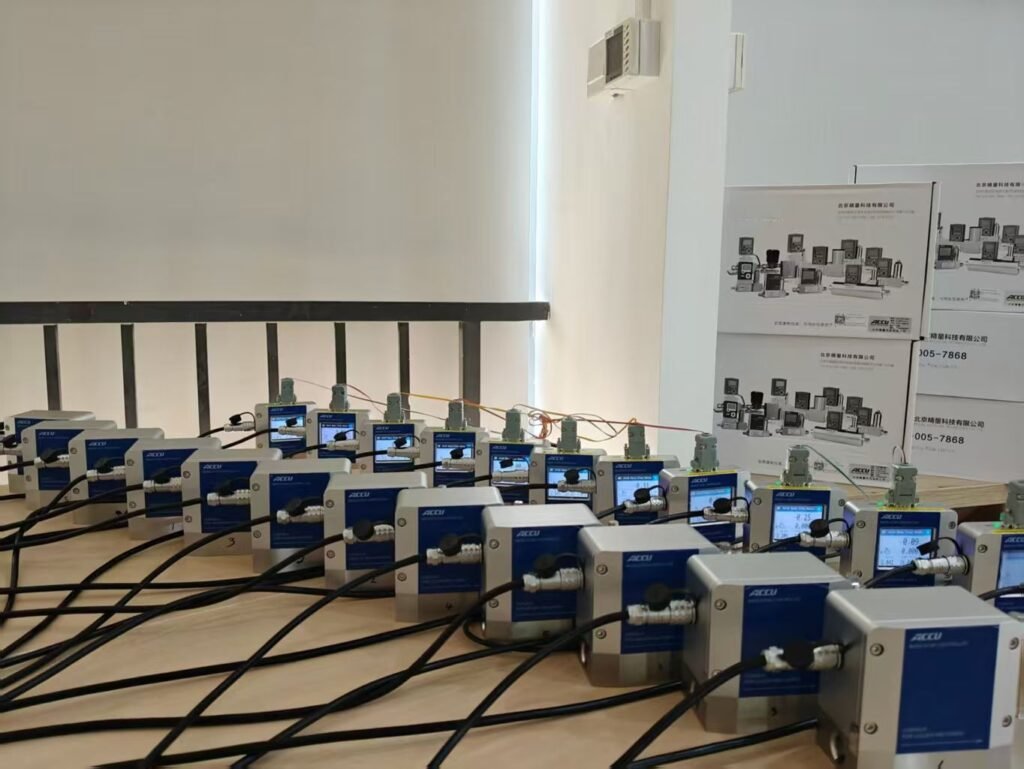
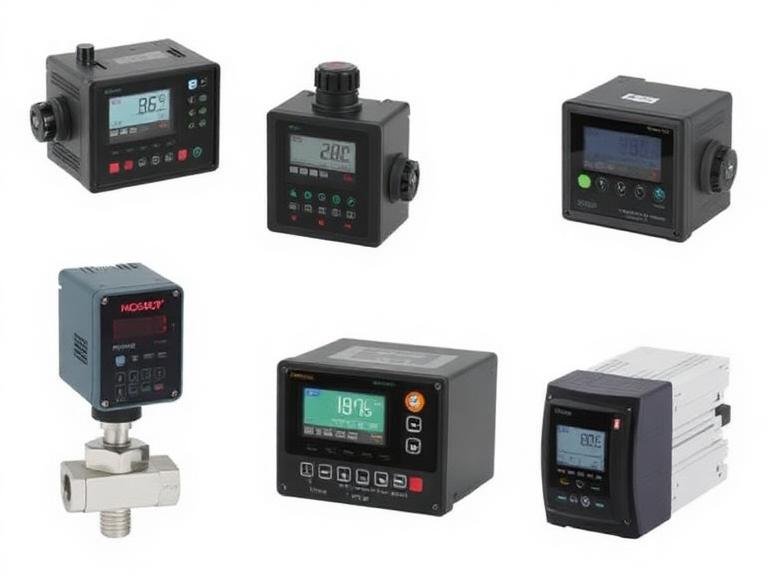
Sino-Inst is a professional supplier of industrial process and analytical instruments, include gas detectors, gas analyzers, dust detectors, mass flow controllers, dust monitors. We can help you obtain reliable measurement and analysis solutions while saving procurement costs. Customized products and OEM services are available. We will be your most trusted partner!
Our Premier Product Selection
- Fixed Gas Detectors: Perfect for permanent installation in boiler rooms, parking garages, and industrial plants to ensure constant monitoring without the worry of battery-related carbon monoxide detector chirping.
- Portable Gas Detectors: Essential for HVAC technicians and industrial workers who need to detect CO, O2, and H2S on the move.
- Gas Sensor Modules: High-precision components for integration into larger building management systems.
- Gas Monitoring Systems: Centralized hubs that track multiple sensors across a facility, providing detailed data analytics.
- Dust Monitors and Mass Flow Controllers: Advanced instrumentation for complex industrial processes.
- pH/ORP Controllers and Electrodes: Specialized glass and plastic-shell electrodes for liquid analytical needs.
Scenario 3: Device Malfunction or Error
Internal errors are the third scenario for carbon monoxide detector chirping. These can be caused by a variety of technical failures, ranging from a corrupted microchip to a damaged sensor chamber. If a device experiences an internal fault, it will typically emit a series of chirps that do not match the low-battery or end-of-life patterns.
Common Fault Causes
Malfunctions can occur if the device has been dropped, exposed to extreme temperatures, or if dust has clogged the sensor vents. In industrial settings, using high-durability sensors like those provided by Sino-Inst can significantly reduce the frequency of these errors. For home units, if a reset (holding the test button) doesn’t stop the chirping, the unit is likely faulty and should be discarded.
Scenario 4: Environmental Interference and Humidity
Sometimes, the carbon monoxide detector chirping is triggered by the environment rather than the gas itself. Electrochemical sensors are sensitive to extreme changes in humidity and temperature.
Steam and Chemical Vapors
If a CO detector is placed too close to a bathroom or a kitchen, high concentrations of steam can sometimes trick the sensor into a fault state, causing it to chirp. Similarly, heavy use of household cleaners, hairsprays, or even high levels of hydrogen gas from charging lead-acid batteries can interfere with the sensor’s reading. If you notice carbon monoxide detector chirping immediately after cleaning or during a very humid day, try moving the device to a well-ventilated area to see if the signal clears.
Scenario 5: True CO Emergency (The Alarm State)
While technically an “alarm” rather than a “chirp,” it is the most critical scenario to understand. If the carbon monoxide detector chirping evolves into a loud, rhythmic pattern—usually four beeps, a pause, and then four beeps—this is a life-threatening emergency.
Immediate Response Protocol
When a true CO alarm sounds, there is no time for troubleshooting. You must immediately move to fresh air. Open windows on your way out if possible, but do not stay to investigate the source. Carbon monoxide poisoning symptoms include dizziness, nausea, and headaches. If anyone in the building feels these symptoms, call emergency services immediately. Professional monitoring systems, such as the Gas Monitoring Systems from Sino-Inst, can provide remote alerts to ensure that even unoccupied buildings are protected from CO buildup.
Maintenance Tips to Prevent False Chirping
Proactive maintenance is the best way to prevent the annoyance of a carbon monoxide detector chirping in the middle of the night. Follow these industry-standard tips:
- Monthly Testing: Press the test button once a month to ensure the circuitry and siren are functioning.
- Vacuuming the Vents: Dust and spider webs can block the sensor. Gently vacuum the outside of the unit every six months.
- Scheduled Battery Replacement: Don’t wait for the chirp. Change batteries every year on a set date, such as during daylight savings time changes.
- Proper Placement: Ensure detectors are placed at least 15 feet away from fuel-burning appliances to prevent “nuisance” chirping from small, non-dangerous traces of gas during startup.
Quick Reference: Chirp Patterns and Meanings
| Sound Pattern | Common Meaning | Required Action |
|---|---|---|
| One short chirp every minute | Low Battery | Replace battery immediately |
| Two chirps every 30 seconds | End of Life | Purchase and install a new unit |
| Three chirps every minute | Malfunction / Error | Clean unit or replace if it persists |
| Four loud beeps, 5s silence | CO Emergency | Evacuate and call emergency services |
| Constant, erratic chirping | Environmental Interference | Move away from humidity or chemicals |
Frequently Asked Questions
Why does my carbon monoxide detector chirp even after I changed the battery?
If the carbon monoxide detector chirping continues after a battery change, the device might be at the end of its life or experiencing an internal error. Additionally, ensure the battery terminals are clean and the battery is inserted with the correct polarity. Sometimes, a “power reset” is needed: remove the battery, hold the test button for 15 seconds, and then reinsert the battery.
Can a CO detector chirp if there is a small gas leak?
Generally, no. CO detectors are designed to alarm when gas levels are dangerous. If there is a very small, constant trace of gas, it might eventually cause an alarm, but intermittent chirping is almost exclusively reserved for power or sensor health issues.
What is the difference between a smoke detector chirp and a CO detector chirp?
While they sound similar, they serve different purposes. In many modern dual-sensor units, the device will use a voice prompt to tell you which sensor is triggered. If it is a standalone unit, look at the LED light; a CO detector will often have a specific “CO” or “Fault” light that flashes in sync with the chirp.
Technical References and Safety Standards
- NFPA 720: Standard for the Installation of Carbon Monoxide (CO) Detection and Warning Equipment.
- Underwriters Laboratories (UL) 2034: Standard for Single and Multiple Station Carbon Monoxide Alarms.
In conclusion, while carbon monoxide detector chirping can be a nuisance, it is a vital part of your safety infrastructure. By identifying whether the sound is a result of low batteries, an expired sensor, or a technical malfunction, you can take the necessary steps to keep your family or your employees safe. For industrial-grade reliability, always consider professional-grade instruments from experts like Sino-Inst to ensure that your safety systems are beyond reproach.