.png)
Carbon monoxide is an invisible, odorless, and tasteless gas generated by the incomplete combustion of fossil fuels. In both residential and light commercial environments, protecting occupants from this silent hazard is an absolute engineering necessity. For most standard structural layouts, utilizing electrical outlets for continuous monitoring is the preferred safety protocol. However, knowing exactly where to put a plug in carbon monoxide detector is critical. Incorrect placement can lead to false alarms, or worse, a delayed response during a lethal gas accumulation.
From our experience engineering advanced gas detection instrumentation at Sino-Inst, the efficacy of any sensor relies entirely on environmental positioning. Airflow dynamics, molecular weight, and HVAC circulation pathways dictate how quickly a sensor will register parts-per-million variations. We recommend a strategic, multi-point approach to gas safety. In this comprehensive technical guide, we will analyze the fluid dynamics of carbon monoxide, detail the 5 precise locations to put a plug in carbon monoxide detector, and explore how residential safety principles scale up into robust industrial monitoring systems.
Table of Contents
- 1. The Fluid Dynamics and Science of Carbon Monoxide
- 2. The 5 Optimal Places to Put a Plug in Carbon Monoxide Detector
- 3. Where NOT to Put a Plug in Carbon Monoxide Detector
- 4. Scaling Up: From Plug-In Units to Industrial Fixed Gas Detectors
- 5. Summary Table: Sensor Placement Strategy
- 6. Frequently Asked Questions (FAQs)
- 7. Industry and Safety References
1. The Fluid Dynamics and Science of Carbon Monoxide
A persistent myth in residential safety is that carbon monoxide is heavier than air and sinks to the floor, or conversely, that it is significantly lighter and strictly rises to the ceiling. From an engineering and chemical standpoint, the molecular weight of carbon monoxide is 28.0 g/mol, while the average molecular weight of standard atmospheric air is approximately 28.9 g/mol. Because these weights are nearly identical, carbon monoxide does not stratify; it mixes evenly and disperses uniformly throughout a given airspace.
This scientific fact is precisely why you can confidently put a plug in carbon monoxide detector in a standard wall outlet. The electrochemical sensors housed within modern plug-in units rely on chemical reactions that generate an electrical current proportional to the gas concentration. Because the gas mixes evenly with ambient air, a sensor located at typical electrical receptacle height (usually 12 to 18 inches above the floor) is just as effective as a sensor mounted at eye level. The primary factor influencing detection speed is not height, but horizontal proximity to the source and the specific ambient airflow patterns of the room.
2. The 5 Optimal Places to Put a Plug in Carbon Monoxide Detector
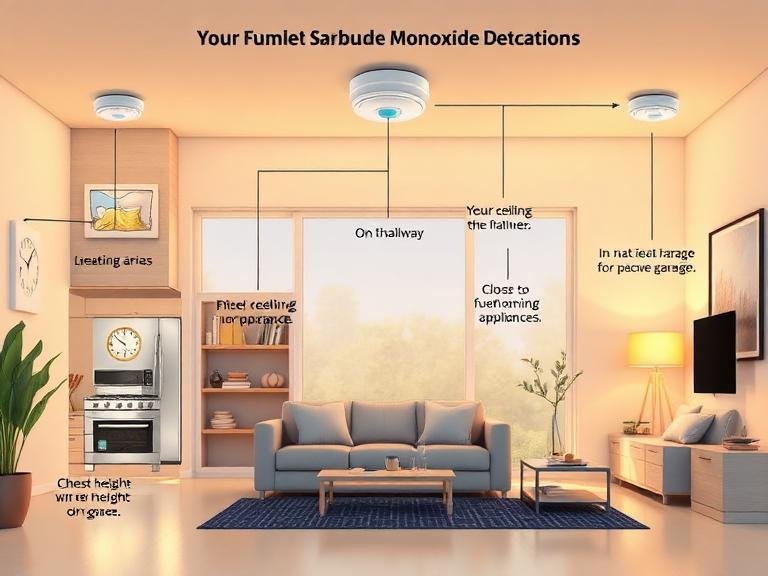
Designing a safety perimeter requires strategic redundancy. If a leak occurs in the mechanical room, a single sensor on the opposite end of the building may not trigger in time to alert occupants. Based on the National Fire Protection Association guidelines and our decades of instrumentation experience, here are the 5 locations where you must put a plug in carbon monoxide detector.
2.1 Inside and Outside Every Sleeping Area
The human body is exceptionally vulnerable to hypoxia during sleep. The primary objective of any alarm system is to wake occupants before they are incapacitated. You must put a plug in carbon monoxide detector in the hallway immediately adjacent to all bedroom doors. Furthermore, we highly recommend adding a detector inside each individual bedroom, particularly if the occupant sleeps with the door closed or uses a supplemental combustion space heater. The audible alarm must reach a minimum of 85 decibels at the pillow level to ensure it breaks through deep sleep cycles.
2.2 On Every Level of the Structure
Building codes dictate that multi-story structures require independent sensing per floor. Even with an open floor plan, thermal boundaries and closed stairwells can create air pockets that delay gas dispersion. You must put a plug in carbon monoxide detector on every finished level of the facility or residence, including finished basements. By doing so, you establish a vertical sensing network that guarantees early warning regardless of where the mechanical failure originates.
2.3 The Main Living or Family Room
Occupants spend the majority of their waking hours in centralized living or working areas. These spaces are often heavily insulated and tightly sealed for HVAC efficiency, which inadvertently traps noxious gases. When you put a plug in carbon monoxide detector in the main living area, you ensure that continuous background monitoring is occurring where human exposure is most frequent. Ensure the specific outlet chosen is not obscured by heavy furniture or dense window treatments, as physical barriers impede the electrochemical sensor’s ability to sample the ambient air.
2.4 Transitional Spaces Near Attached Garages
Vehicles left idling inside attached garages represent one of the most common sources of severe poisoning. The gas easily penetrates drywall micro-cracks, unsealed HVAC ductwork, and the weatherstripping around the interior access door. When deciding where to put a plug in carbon monoxide detector in relation to a garage, it is critical to place the unit inside the interior transitional space or mudroom, rather than inside the garage itself. Placing a sensor directly inside a garage will result in constant nuisance alarms due to the brief, normal emissions generated during engine startup.
2.5 Safely Distanced from Combustion Appliances
Furnaces, water heaters, gas stoves, and fireplaces are the most probable sources of an internal leak. However, you should never put a plug in carbon monoxide detector directly adjacent to these appliances. Upon ignition, gas appliances frequently emit a minuscule, harmless burst of gas before the ventilation draft fully establishes itself. To prevent false alarms while still providing rapid detection, we recommend you put a plug in carbon monoxide detector exactly 15 to 20 feet away from the appliance. This spatial buffer allows harmless ignition bursts to dissipate while still capturing sustained, hazardous leaks.
3. Where NOT to Put a Plug in Carbon Monoxide Detector
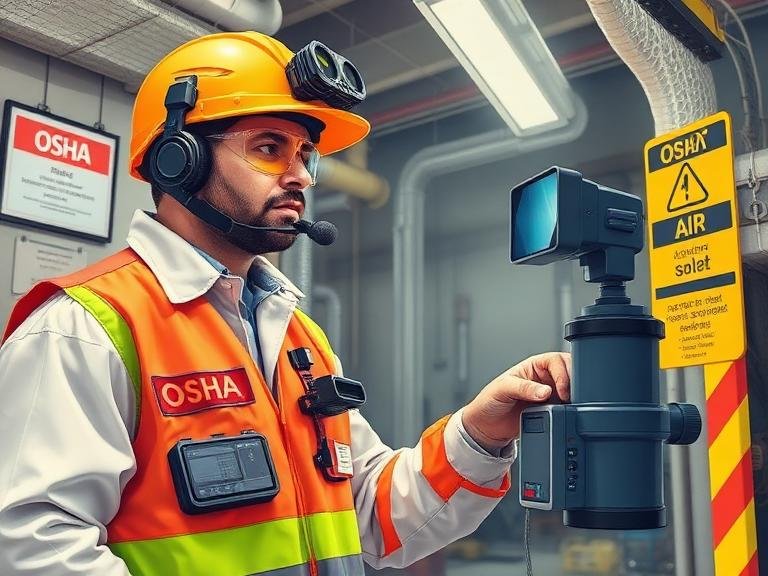
Just as critical as knowing where to place these instruments is knowing where environmental factors will degrade their accuracy. At Sino-Inst, our calibration laboratories rigorously test sensor durability under extreme conditions. Based on our sensor data, you must absolutely avoid the following locations:
- High Humidity Zones: Never put a plug in carbon monoxide detector in a bathroom or immediately adjacent to a shower. Excessive moisture will condense on the electrochemical sensor matrix, causing erroneous readings and premature component failure.
- Direct Sunlight or Extreme Heat: Electrical outlets located in direct, sustained sunlight or within three feet of heating vents subject the sensor to thermal drift, which skews calibration baseline data.
- Dead Air Spaces: Vaulted ceiling peaks or the sharp corners of a room often experience stagnant airflow. Gases may take significantly longer to reach these specific pockets.
- Near Exterior Doors and Windows: Drafts from open windows will dilute the gas concentration directly around the sensor, providing a false sense of security while the rest of the room reaches lethal toxicity.
4. Scaling Up: From Plug-In Units to Industrial Fixed Gas Detectors
While standard electrical plug-in units provide adequate safety for residential homes and small office spaces, commercial manufacturing, petrochemical facilities, and confined industrial spaces require vastly superior analytical instruments. When human life and multi-million-dollar infrastructure are at risk, reliance on standalone wall outlets is insufficient. Instead, facility engineers utilize networked, hardwired, and wireless gas detection arrays.
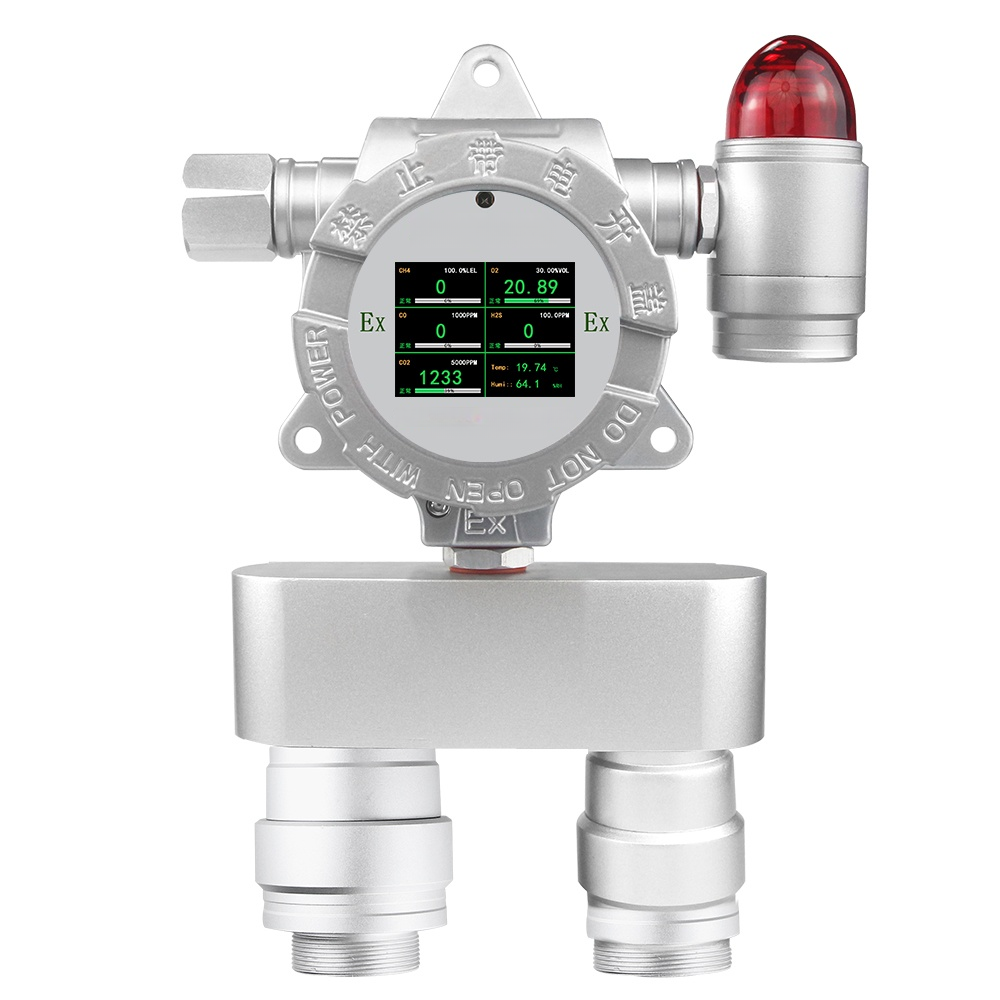
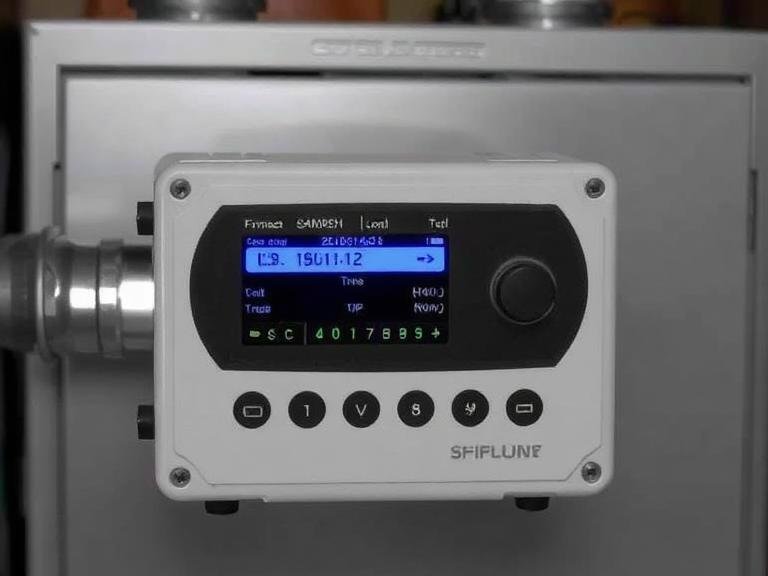
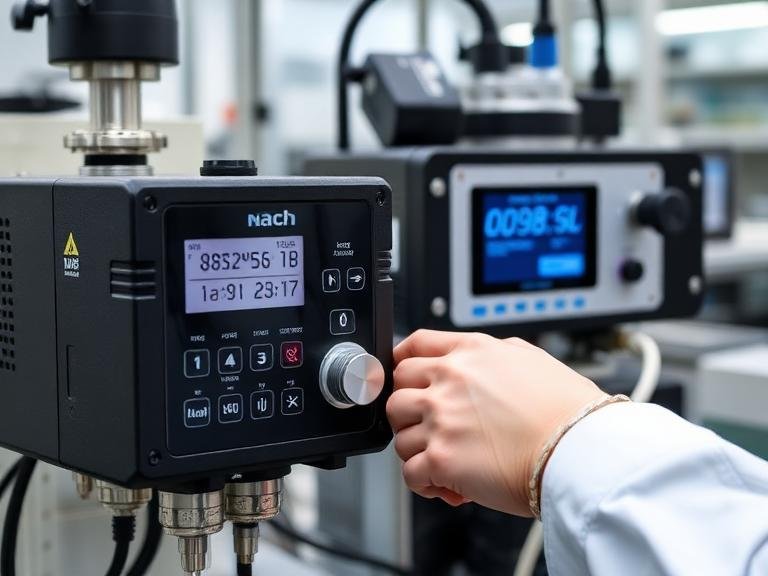
At Sino-Inst, we engineer robust process instrumentation designed for the harshest industrial environments. For facilities that handle complex gas matrices, our Multi Gas Detector for 2~8 Gases is the definitive solution. This advanced unit continuously monitors carbon monoxide alongside explosive limits (LEL), hydrogen sulfide, and oxygen depletion simultaneously, feeding real-time data directly to your central SCADA system.
In environments where running conduit is structurally impossible or financially prohibitive, our Fixed Wireless Gas Detector provides an elegant engineering solution. It establishes a secure, long-range telemetry network to transmit parts-per-million data without the need for complex wiring infrastructure. Furthermore, for manufacturing plants dealing with solvents and complex chemical vapors, identifying invisible threats goes beyond standard combustion gases. We highly recommend integrating our Fixed VOC Monitor to precisely detect Volatile Organic Compounds via highly sensitive Photoionization Detector (PID) technology, ensuring comprehensive environmental occupational safety.
5. Summary Table: Sensor Placement Strategy
To assist building managers, safety officers, and homeowners, we have compiled this strategic matrix detailing the exact execution of where to put a plug in carbon monoxide detector.
| Strategic Location | Engineering Purpose | Installation Warning |
|---|---|---|
| Hallways Near Bedrooms | Ensures the 85dB alarm breaches deep sleep cycles. | Do not place behind heavy doors; sound waves will be heavily muffled. |
| Every Finished Level | Counters structural air pockets and thermal boundaries. | Ensure baseline coverage in finished basements near stairwells. |
| Main Living Areas | Continuous monitoring in highest occupancy zones. | Do not put a plug in carbon monoxide detector behind couches or curtains. |
| Inside Near Attached Garages | Detects vehicle exhaust penetrating the structural envelope. | Place in the mudroom, not inside the actual garage to prevent false alarms. |
| 15-20 Feet from Appliances | Monitors furnaces/water heaters without nuisance trips. | Avoid direct placement in the mechanical room if space is confined. |
6. Frequently Asked Questions (FAQs)
From an engineering perspective, it does not matter. Because the specific gravity of the gas is nearly identical to ambient air, it disperses evenly. Placing the unit in a standard wall receptacle near the floor is highly effective, provided the outlet is not blocked by physical barriers that disrupt ambient airflow.
Electrochemical sensors have a finite operational lifespan due to the gradual depletion of the internal chemical electrolyte. Most residential units expire after 7 to 10 years. For industrial applications, the sensors in our Sino-Inst Fixed Gas Detectors require routine calibration every 6 to 12 months to ensure absolute analytical precision.
We do not recommend standard plug-in units for industrial environments. Industrial spaces feature massive cubic volumes, high-velocity exhaust fans, and complex chemical backgrounds. These environments require specialized industrial instrumentation, such as our Sino-Inst Multi Gas Detectors, which are explosion-proof, hardwired to control panels, and capable of triggering automated exhaust ventilation systems.
7. Industry and Safety References
To ensure strict compliance with global safety protocols and structural engineering standards, we encourage consulting the following authoritative organizations:
- Centers for Disease Control and Prevention (CDC) – Clinical Prevention and Diagnostics of CO Poisoning
- National Fire Protection Association (NFPA) – Standard 720 for the Installation of Detection and Warning Equipment
- U.S. Consumer Product Safety Commission (CPSC) – Carbon Monoxide Information Center