.png)
Methane (CH4) is the primary component of natural gas, a fossil fuel utilized in millions of residences globally for heating, cooking, and water generation. While highly efficient as an energy source, methane presents severe safety risks when it escapes its containment infrastructure. Because methane is naturally colorless, tasteless, and odorless, residential leaks can accumulate silently, creating severe risks of asphyxiation and catastrophic explosions. Knowing how to accurately determine if there is methane gas in your home is a critical aspect of residential safety and structural management.
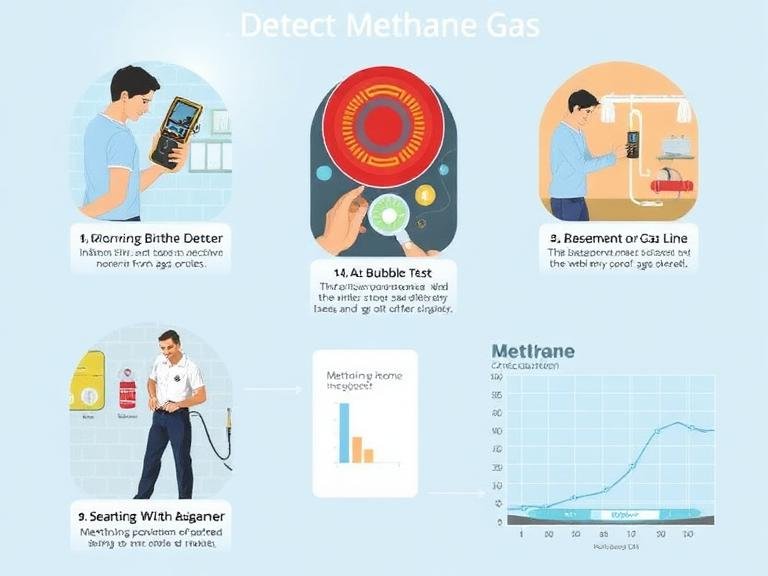
From our experience in the industrial instrumentation sector, relying on a single method of detection is insufficient for comprehensive safety. Homeowners and facility managers must deploy a multi-layered approach, combining human sensory awareness with advanced analytical technology. If a leak goes undetected and the concentration of methane in the ambient air reaches its Lower Explosive Limit (LEL) of 5%, a simple static spark from a light switch can trigger an ignition. In this authoritative guide, we outline the five most reliable methods to determine if there is methane gas in your home, ensuring the protection of your property and occupants.
Table of Contents
- 1. Olfactory and Auditory Identification (The Mercaptan Additive)
- 2. Physiological Symptoms of Hypoxia
- 3. Visual Inspection of Gas Combustion Appliances
- 4. Environmental and Botanical Indicators
- 5. Deployment of Analytical Gas Detection Instruments
- Summary Table: Methane Detection Methods
- Frequently Asked Questions (FAQs)
- References
1. Olfactory and Auditory Identification (The Mercaptan Additive)
Because raw methane lacks any discernible odor, utility companies mandate the injection of mercaptan (methanethiol) into municipal gas supplies. This harmless chemical additive possesses a distinct, pungent aroma universally compared to rotten eggs, sulfur, or a skunk. The primary purpose of this additive is to allow the human olfactory system to determine if there is methane gas in your home long before the concentration reaches the 5% explosive threshold.
We recommend conducting a routine sensory audit of your property. If you detect the smell of sulfur, particularly near utility rooms, basements, or kitchens, you must treat it as an active natural gas leak. However, from our experience, olfactory fatigue can occur rapidly. Prolonged exposure to mercaptan desensitizes the olfactory receptors, meaning you may stop smelling the gas even as the leak continues to flood the room.
Auditory clues are equally important. High-pressure gas escaping from a compromised pipe fitting, a fractured valve, or a malfunctioning regulator often produces a distinct hissing or whistling sound. If you hear this near your gas meter or behind drywall where gas lines run, immediately evacuate the premises. Do not attempt to locate the exact source of the hiss using a flashlight or mobile phone, as electronic devices can serve as ignition sources.
2. Physiological Symptoms of Hypoxia
Methane is classified as a simple asphyxiant. When it accumulates in enclosed residential spaces, it actively displaces ambient oxygen. A normal indoor environment contains approximately 20.9% oxygen. When a severe natural gas leak occurs, the methane concentration rises, pushing the oxygen levels below 19.5%, which is the threshold for oxygen-deficient environments defined by occupational safety standards.
One critical way to determine if there is methane gas in your home is to monitor the physical well-being of the occupants. Early symptoms of mild hypoxia and methane inhalation include sudden, unexplained headaches, dizziness, nausea, lethargy, and a feeling of general confusion or lightheadedness. Because these symptoms mimic the flu or fatigue, they are frequently misdiagnosed by homeowners.
We recommend a simple environmental test: if your physical symptoms rapidly dissipate upon leaving the house and entering fresh air, but return immediately upon re-entering the residence, air quality contamination is the highly probable cause. At this juncture, you must urgently determine if there is methane gas in your home or if another silent killer, such as carbon monoxide, is present.
3. Visual Inspection of Gas Combustion Appliances
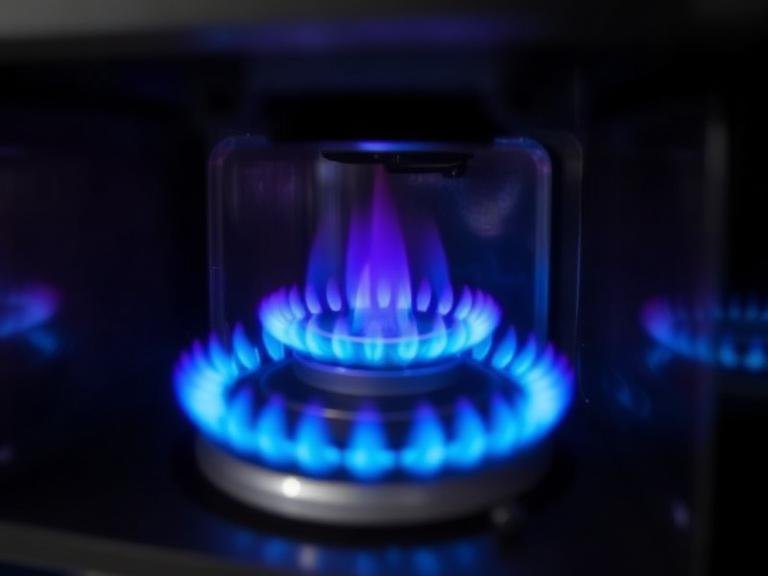
The operational state of your gas-powered appliances provides significant visual data regarding the integrity of your gas supply. Natural gas stoves, water heaters, furnaces, and gas fireplaces rely on a precise stoichiometric mixture of methane and oxygen to achieve complete combustion.
When an appliance is functioning correctly, the burner flame will appear crisp, stable, and predominantly blue. A blue flame indicates that the methane is burning at optimal efficiency with zero unburned fuel escaping into the room. If you observe a flame that is lazy, flickering, and predominantly yellow or orange, the appliance is experiencing incomplete combustion. This occurs when the gas-to-oxygen ratio is compromised, often due to a damaged gas regulator, a partially blocked burner, or an underlying leak in the supply line.
Furthermore, incomplete methane combustion generates excessive soot. If you notice dark, powdery soot accumulating on the exterior of your water heater, around the burner grates of your stove, or near your furnace exhaust vents, unburned gas is likely escaping. Visually auditing your appliance flames is a proactive mechanical method to determine if there is methane gas in your home.
4. Environmental and Botanical Indicators
Often, the initial signs of a residential methane leak manifest in the surrounding environment rather than the mechanical infrastructure. Because methane displaces oxygen in the soil and ambient air, it rapidly asphyxiates botanical life.
For interior spaces, observe your houseplants. If indoor plants located near gas lines, stoves, or utility closets begin to wither, yellow, and die inexplicably despite receiving adequate water and sunlight, it may indicate chronic methane exposure. The roots of the plants are being starved of oxygen due to gas accumulation.
For exterior gas lines connecting the municipal supply to your residential meter, observe the landscaping. A subterranean methane leak will cause patches of grass or vegetation to turn brown and die in a distinct linear pattern mirroring the buried pipeline. Additionally, if the subterranean leak occurs in damp soil or near standing puddles of water, you may observe continuous, localized bubbling as the pressurized methane forces its way to the surface. Monitoring your property’s botanical health is an unorthodox but highly effective way to determine if there is methane gas in your home environment.
5. Deployment of Analytical Gas Detection Instruments
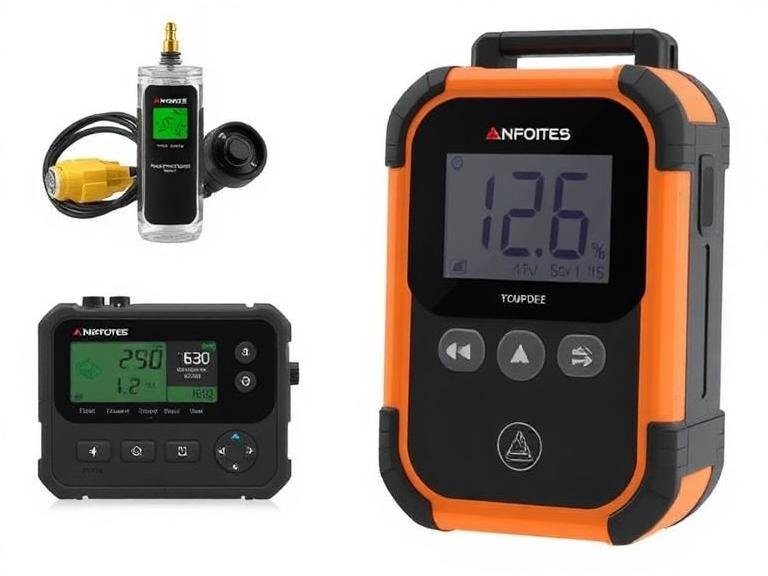
While human senses and environmental observations are valuable, they are subjective and susceptible to error. The only definitive, scientific method to determine if there is methane gas in your home is the deployment of professional analytical instruments. Advanced sensor technology provides continuous, unbiased quantification of hydrocarbon concentrations, eliminating the guesswork associated with residential safety.
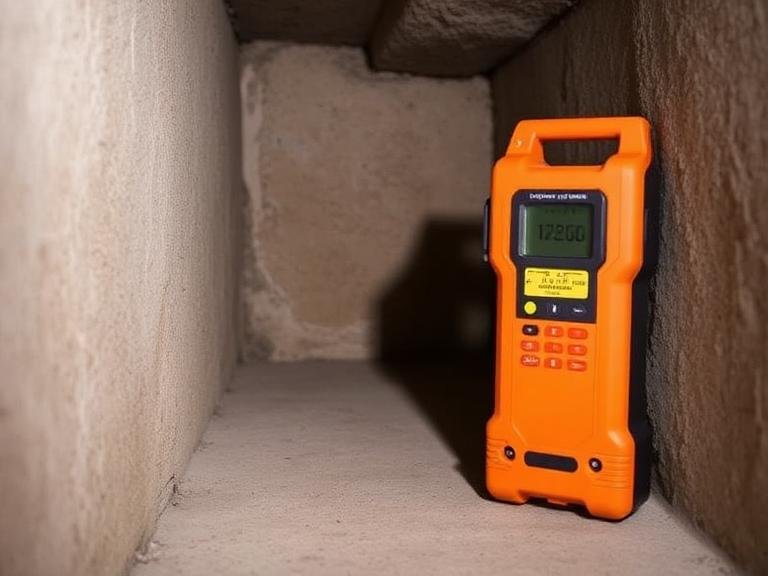
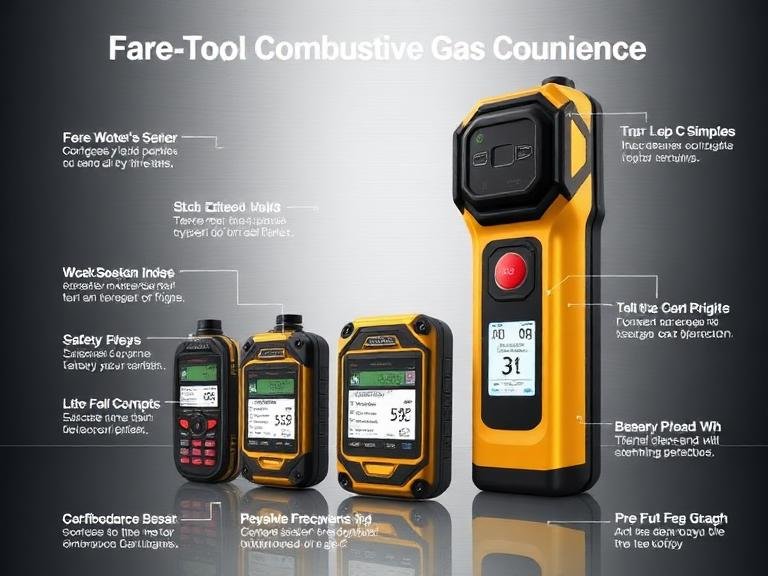
From our experience engineering robust analytical solutions, relying on consumer-grade plug-in alarms is often insufficient for comprehensive monitoring. We recommend integrating industrial-grade sensor technology into residential and commercial properties. For immediate, on-the-spot leak detection during a suspected event, our Portable Gas Detectors utilize highly sensitive catalytic bead and Non-Dispersive Infrared (NDIR) sensors to trace the exact origin of a leak along pipe seams and appliance connections.
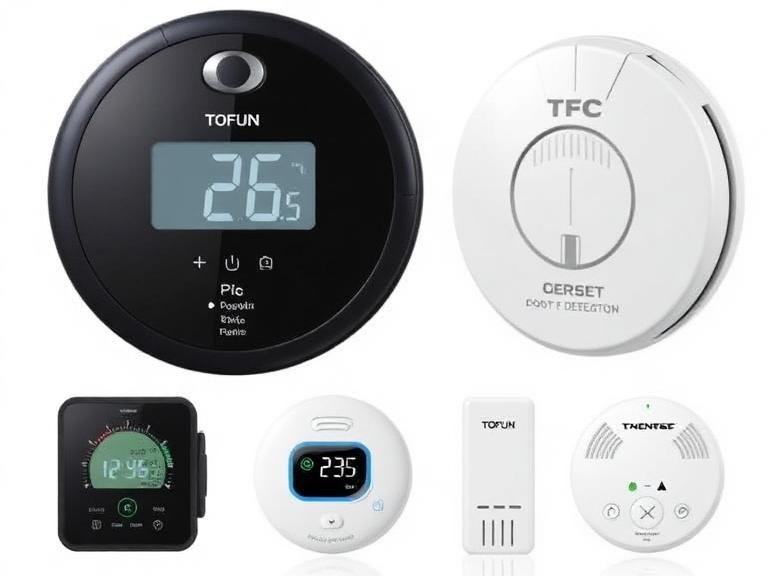
For continuous, 24/7 protection, installing Fixed Gas Detectors near the furnace, water heater, and kitchen ensures that an alarm will sound the moment methane concentrations reach 10% of the Lower Explosive Limit (LEL), long before an explosive hazard exists. In larger estates or multi-tenant residential complexes, a centralized Gas Monitoring System allows facility managers to monitor multiple zones simultaneously from a single control interface.
Furthermore, original equipment manufacturers (OEMs) building smart home automation networks can integrate our 800 Series Gas Sensor Module directly into their hardware, providing embedded, high-precision methane analysis.
Holistic indoor air quality involves more than just combustible gases. Combining gas detection with Dust Monitors provides a complete overview of respiratory hazards in the home. Finally, analyzing the exact flow rate of gas from the utility meter to your appliances using high-accuracy Mass Flow Controllers/Meters can highlight unexplained volumetric spikes. If the flow meter registers continuous gas consumption when all appliances are turned off, you can mathematically determine if there is methane gas in your home escaping through a hidden structural breach.
Summary Table: Methane Detection Methods
| Detection Method | Primary Indicators | Reliability / Accuracy | Recommended Action |
|---|---|---|---|
| Olfactory & Auditory | Rotten egg smell (mercaptan), hissing sounds near pipes. | Moderate (Susceptible to olfactory fatigue). | Evacuate immediately and contact emergency utility services. |
| Physiological Symptoms | Unexplained headaches, dizziness, nausea, lethargy. | Low (Easily confused with other illnesses). | Step outside into fresh air to see if symptoms resolve. |
| Appliance Visuals | Yellow/orange burner flames, excessive soot buildup. | High (Clear indicator of incomplete combustion). | Shut off gas supply valve to the appliance; schedule maintenance. |
| Environmental Signs | Dead indoor plants, dying grass over buried lines, bubbling water. | Moderate (Delayed indicator of chronic leakage). | Investigate pipeline path; deploy portable gas detector. |
| Analytical Instruments | Precise PPM or %LEL readings on digital displays. | Absolute (Scientific, unbiased quantification). | Install Fixed Gas Detectors for continuous 24/7 monitoring. |
Frequently Asked Questions (FAQs)
At what concentration does methane become explosive in a home?
Methane has a Lower Explosive Limit (LEL) of 5% and an Upper Explosive Limit (UEL) of 15% by volume in the air. When the concentration falls within this specific range, any ignition source will cause an explosion. Professional gas detectors are calibrated to alarm well before the concentration reaches 5% to ensure adequate evacuation time.
Will a standard carbon monoxide (CO) detector determine if there is methane gas in your home?
No. Carbon monoxide and methane are entirely different chemical compounds. A standard CO detector utilizes an electrochemical sensor specific to carbon monoxide and will not react to methane accumulation. You must use a dedicated combustible gas detector or a dual-sensor alarm to monitor for both threats.
How often should gas monitoring instruments be calibrated?
From our experience as an instrument supplier, fixed and portable gas detectors should undergo bump testing monthly and a full calibration utilizing standard calibration gas every 6 to 12 months, depending on the specific sensor technology (catalytic bead vs. infrared) and the manufacturer’s operational guidelines.
What should I do immediately if my gas detector alarms?
Do not turn any lights on or off, do not use your mobile phone inside the house, and do not unplug any electronics, as these actions can create a static spark. Evacuate all occupants to a safe distance outside and call your local gas utility provider or emergency services immediately.
References
To further understand the chemical properties of methane, residential safety protocols, and occupational exposure limits, we recommend reviewing guidelines published by the following authoritative organizations: