.png)
In industrial process control, analytical instrumentation, and advanced manufacturing, the precise measurement of gas and liquid flow is a fundamental requirement. Engineers and procurement specialists constantly face the critical question: how accurate are mass flow meters in fluctuating environmental conditions? Unlike volumetric flow meters, which require compensation for temperature and pressure variations to determine the actual mass of the fluid, mass flow meters measure the direct mass flow rate. This intrinsic characteristic theoretically provides superior precision. However, achieving and maintaining that precision in real-world applications requires a deep understanding of sensor technology, calibration protocols, and fluid dynamics.
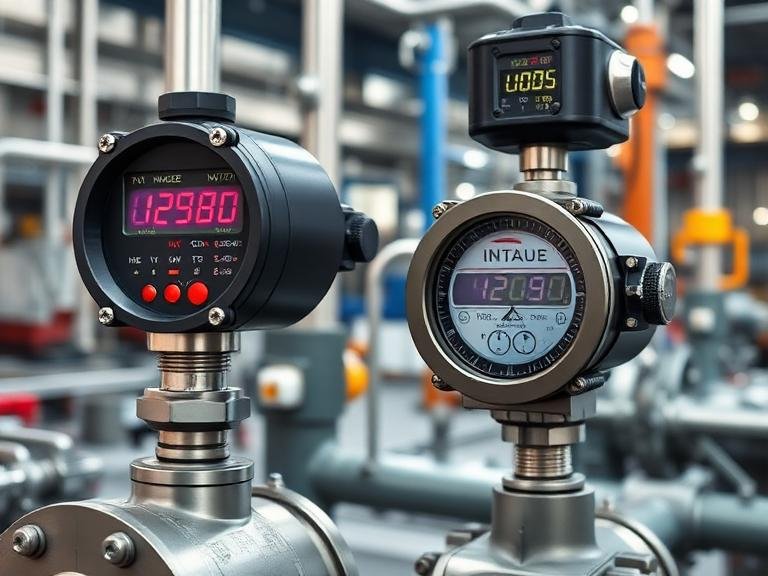
As a professional supplier of industrial process and analytical instruments, Sino-Inst has engineered and deployed thousands of mass flow controllers and meters across the globe. From our experience, the discrepancy between laboratory specifications and field performance is a common pain point for facility managers. We recommend evaluating flow measurement devices not just on their isolated accuracy statements, but on their long-term repeatability, zero stability, and responsiveness to dynamic process shifts. In this comprehensive guide, we will dissect the technical parameters that define exactly how accurate are mass flow meters, examine the variables that induce measurement errors, and provide authoritative insights into selecting the optimal instrumentation for your fluid control architectures.
Table of Contents
- Summary Table of Mass Flow Meter Accuracy Parameters
- Understanding the Fundamentals of Mass Flow Accuracy
- Full Scale (FS) vs. Reading (RD) Accuracy Specifications
- Key Factors Influencing Real-World Measurement
- Advanced Measurement Solutions from Sino-Inst
- Expert Procurement and Installation Guide
- Frequently Asked Questions (FAQs)
- Industry References
Summary Table of Mass Flow Meter Accuracy Parameters
| Technology Type | Typical Accuracy Range | Primary Measurement Principle | Ideal Application Environment | Limitations to Accuracy |
|---|---|---|---|---|
| Thermal Mass Flow | Plus or minus 1.0% to 2.0% of Full Scale (FS) | Heat transfer (conductive and convective) from a heated sensor to the fluid. | Clean, dry gases; semiconductor manufacturing; burner control. | Changes in gas composition; moisture droplets; extreme coating on sensors. |
| Coriolis Mass Flow | Plus or minus 0.1% to 0.5% of Reading (RD) | Inertia caused by fluid moving through oscillating tubes. | Liquids, slurries, and high-density gases; custody transfer. | Entrained gas in liquids; severe external pipe vibrations. |
| Low Differential Pressure Mass Flow | Plus or minus 1.0% to 1.5% of Full Scale (FS) | Laminar flow element combined with differential pressure sensors. | Low-pressure drop gas line systems; sensitive bioreactors. | Particulate blockages in the laminar flow element. |
| Micro Flow Thermal | Plus or minus 1.0% of Full Scale (FS) | Capillary bypass thermal sensing. | Laboratories, gas chromatography, precision doping. | Drastic ambient temperature swings without compensation. |
Understanding the Fundamentals of Mass Flow Accuracy
To accurately answer the question of how accurate are mass flow meters, we must delineate the underlying technologies. The two most dominant mass flow technologies in the industrial sector are Thermal Mass Flow and Coriolis Mass Flow. Each operates on entirely different physical principles, dictating their inherent precision and their susceptibility to process disturbances.
Thermal Mass Flow Technology
Thermal mass flow meters calculate the mass flow rate by measuring the heat dissipation caused by the gas flowing over a heated sensor. Because the specific heat capacity of a known gas is constant, the rate of heat loss is directly proportional to the mass flow. When evaluating how accurate are mass flow meters using thermal dispersion, engineers can generally expect accuracies within 1.0 to 2.0 percent of the Full Scale. From our experience, thermal mass flow controllers are incredibly reliable for clean gas applications. However, if the gas composition changes, the specific heat capacity alters, which will immediately degrade the accuracy of the reading unless the instrument is recalibrated for the new gas mixture.
Coriolis Mass Flow Technology
Coriolis meters utilize the Coriolis effect, where fluid passing through an oscillating tube causes a phase shift in the tube’s vibration. This phase shift is directly proportional to the mass of the fluid. Coriolis meters are widely regarded as the most precise flow measurement devices available, often achieving accuracies of 0.1 percent of the reading. While highly accurate, they are substantially more expensive and typically cause a higher pressure drop than thermal mass flow alternatives.
Full Scale (FS) vs. Reading (RD) Accuracy Specifications
A frequent point of confusion during procurement is the distinction between accuracy stated as a percentage of Full Scale (FS) versus a percentage of Reading (RD). Understanding this is vital when determining how accurate are mass flow meters across their entire operational range.
- Percent of Full Scale (FS): If a flow meter has a range of 0 to 1000 SCCM and an accuracy of 1 percent FS, the error margin is a constant 10 SCCM at any flow rate. At 1000 SCCM, the error is 1 percent. However, at a low flow rate of 100 SCCM, that same 10 SCCM error represents a massive 10 percent error relative to the reading. We recommend FS devices for applications where the process operates near the upper limit of the flow range.
- Percent of Reading (RD): If an instrument boasts a 1 percent RD accuracy, the error margin scales with the flow rate. At 1000 SCCM, the error is 10 SCCM. At 100 SCCM, the error is only 1 SCCM. Devices with RD accuracy provide vastly superior precision at the lower end of their turndown ratio.
Key Factors Influencing Real-World Measurement
Laboratory calibration sheets represent ideal conditions. When clients ask us how accurate are mass flow meters in the field, we immediately assess the installation environment. Several critical factors can induce significant measurement uncertainty.
Calibration Gas vs. Actual Process Gas
Thermal mass flow meters are calibrated using a specific reference gas, commonly Nitrogen or Air. If the meter is then used to measure Argon or Carbon Dioxide, a gas conversion factor (K-factor) must be applied. While modern microprocessors handle this conversion instantly, empirical K-factors are not perfectly linear across all pressures and temperatures. From our experience, if unparalleled accuracy is required, we recommend having the instrument factory-calibrated using the actual process gas.
Environmental and Process Temperature
Extreme temperatures can cause zero-drift in the sensor electronics. While most industrial flow controllers feature internal temperature compensation, sudden thermal shocks or operations in cryogenic or extreme heat environments require specialized hardware to maintain accuracy.
Piping Geometry and Flow Profile
For insertion-style mass flow meters, a fully developed, symmetrical flow profile is mandatory. Bends, valves, and reducers located immediately upstream of the sensor create turbulence and swirl. To guarantee how accurate are mass flow meters upon installation, we recommend a minimum straight pipe run of 15 to 20 pipe diameters upstream and 5 pipe diameters downstream.
Advanced Measurement Solutions from Sino-Inst
As your most trusted partner in industrial instrumentation, Sino-Inst provides reliable measurement and analysis solutions while saving procurement costs. Our customized products and OEM services are designed to overcome specific accuracy challenges in complex engineering environments. Below are specialized solutions engineered to maintain strict accuracy under demanding conditions.
SI-10FDR Low Differential Pressure Gas Mass Flow Controller
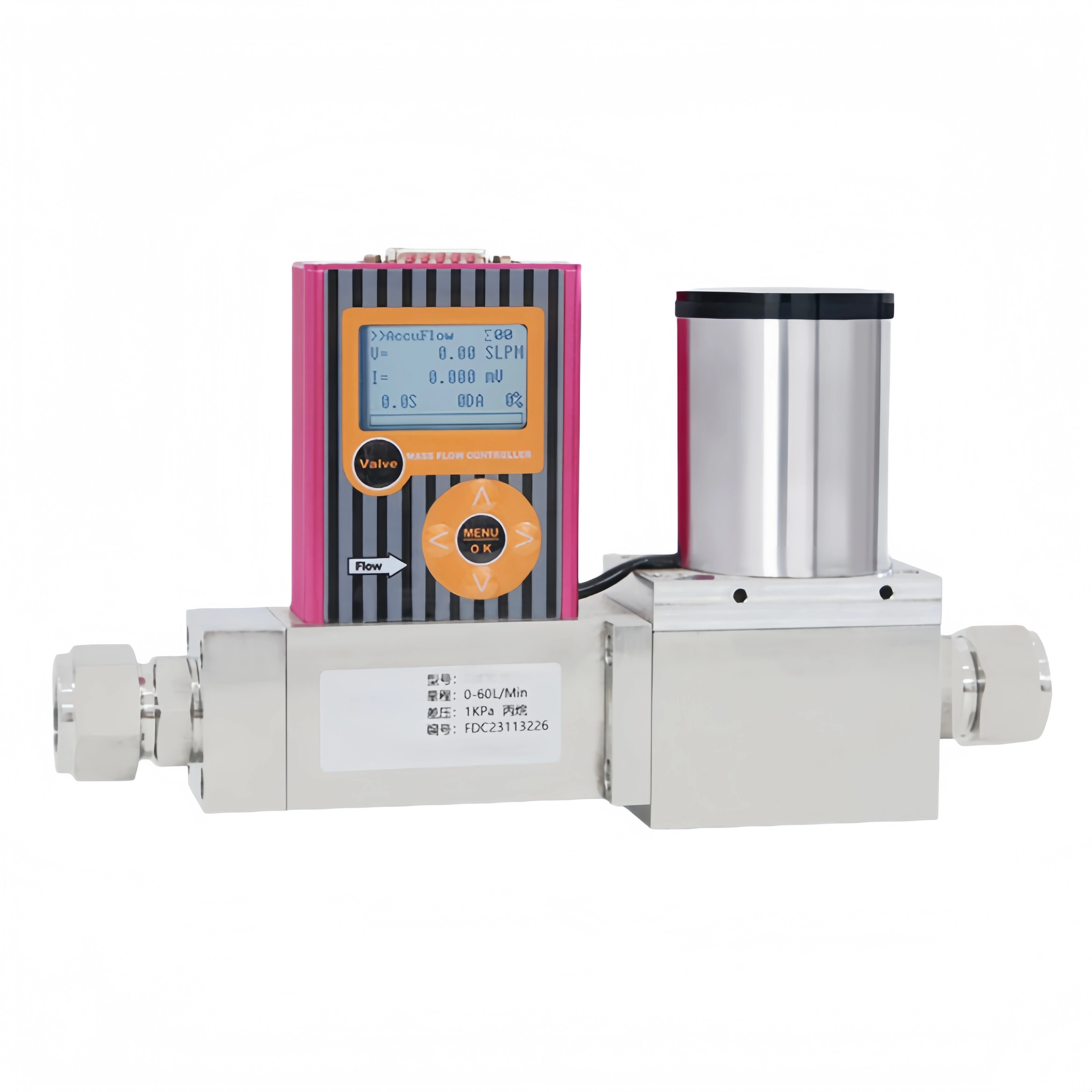
In applications such as vacuum coating or sensitive bioreactor sparging, system pressure drops must be minimized. The SI-10FDR Low Differential Pressure Gas Mass Flow Controller is engineered to deliver highly precise mass flow control with an exceptionally low pressure requirement across the device. By utilizing advanced laminar flow element geometries, this unit ensures that accuracy is not compromised even when the available inlet pressure is remarkably low. We recommend the SI-10FDR for laboratory environments where pressure conservation is as critical as flow precision.
SI-20FDH High Temperature Thermal Mass Flow Controller
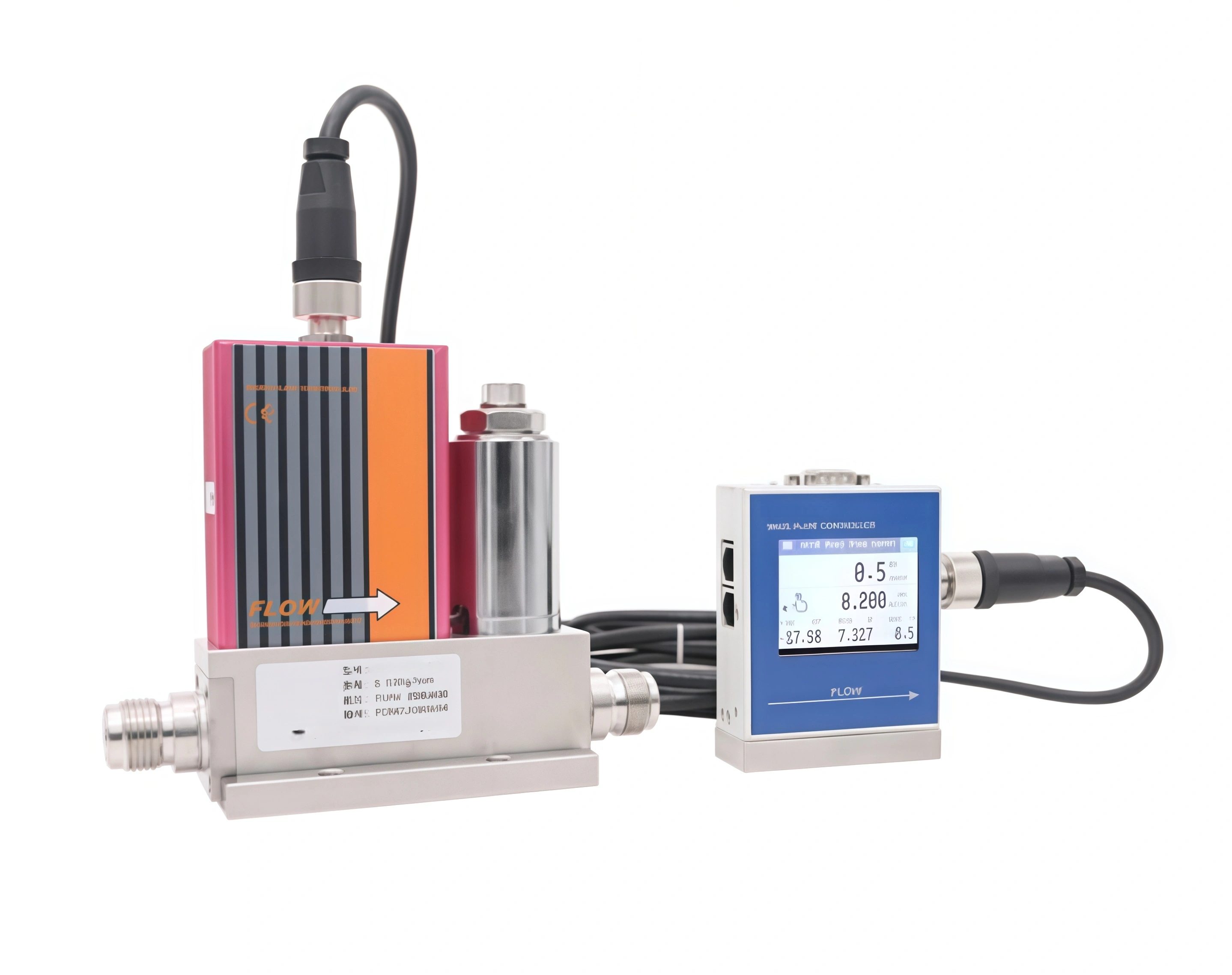
Standard thermal sensors fail or drift wildly when exposed to elevated process temperatures. To combat this, Sino-Inst developed the SI-20FDH High Temperature Thermal Mass Flow Controller. This unit features specialized sensor metallurgy and remote electronics configurations, allowing it to maintain strict calibration tolerances even when handling high-temperature exhaust gases or heated process precursors. When evaluating how accurate are mass flow meters in extreme heat, the SI-20FDH sets the industry benchmark for zero stability.
SI-10FC Gas Mass Flow Controller 500SCCM
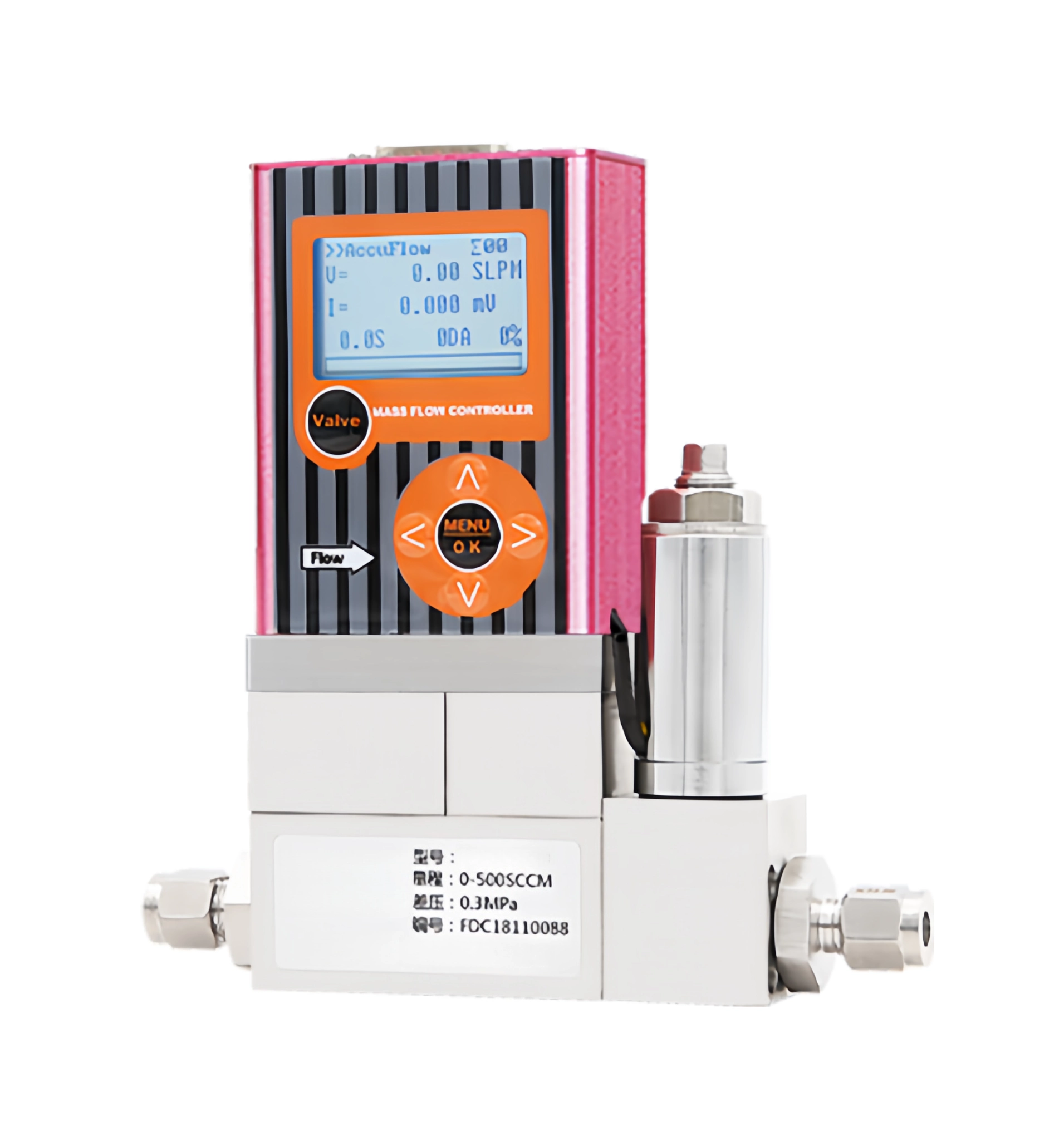
For general-purpose industrial gas mixing, precise semiconductor manufacturing, and analytical instrumentation, the SI-10FC Gas Mass Flow Controller 500SCCM offers an ideal balance of rapid response time and enduring accuracy. Calibrated for standard industrial flow rates, it features robust internal PID control algorithms that instantly correct for upstream pressure fluctuations. From our experience, the SI-10FC provides seamless integration into existing PLC networks, delivering repeatable performance day after day.
SI-20FEH Mass Flow Controller/Flow Meter for Micro Flow – Low Temperature
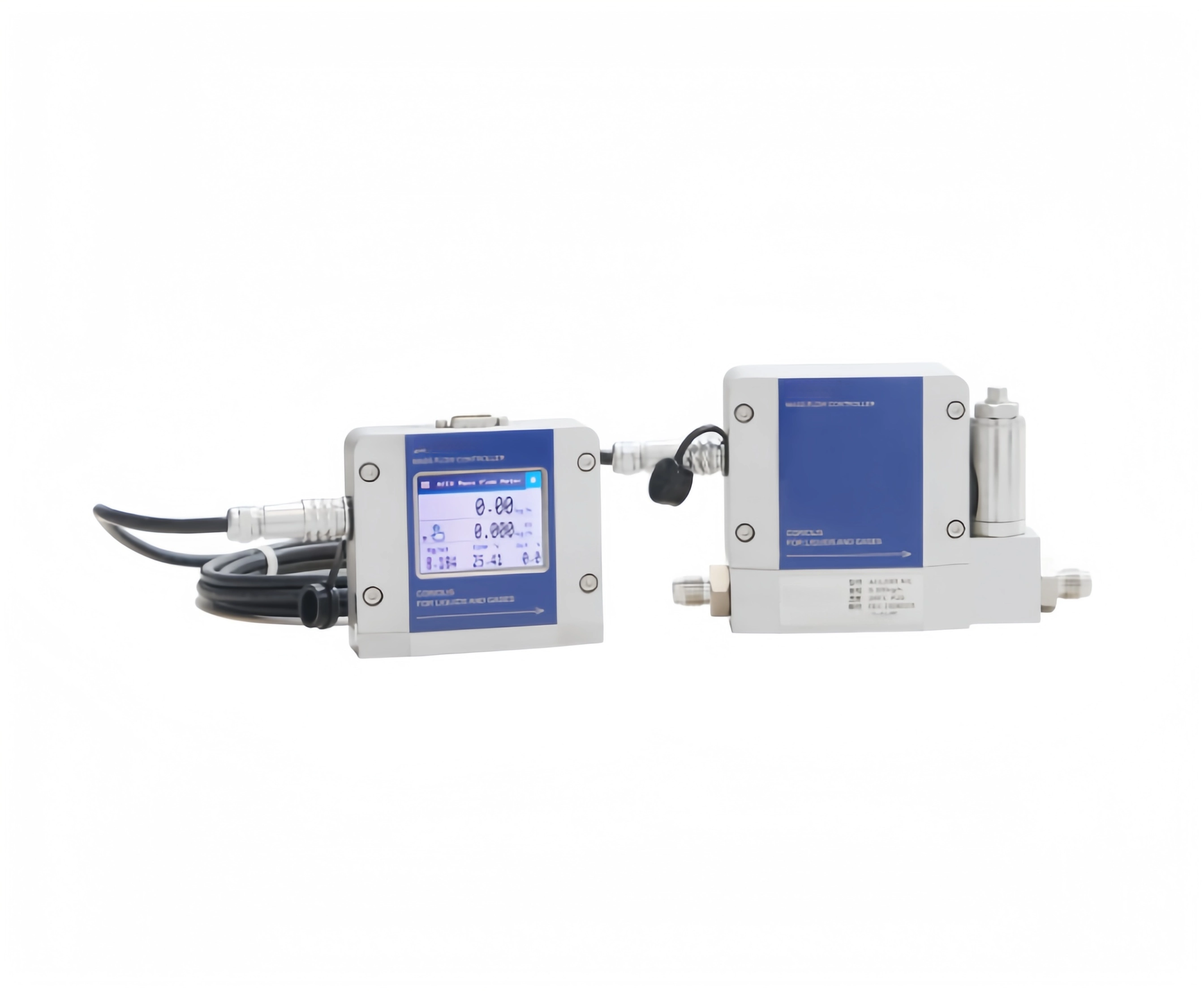
Micro-flow applications present unique fluid dynamic challenges. Accurately measuring flows in the single-digit SCCM range requires ultra-sensitive capillary sensors. The SI-20FEH Mass Flow Controller/Flow Meter for Micro Flow – Low Temperature is specifically engineered to eliminate the signal-to-noise ratio issues common in ultra-low flow measurement. By incorporating advanced low-temperature drift compensation, we ensure that ambient laboratory temperature shifts do not falsely register as flow rate changes.
Expert Procurement and Installation Guide
To ensure long-term accuracy and maximize your return on investment, Sino-Inst recommends following a strict procurement protocol:
- Define the Turndown Ratio: Ensure your normal operating flow rate falls between 20 percent and 80 percent of the instrument’s Full Scale. Operating continuously at 5 percent of a device’s range will magnify inaccuracies.
- Verify Environmental Parameters: Clearly specify the ambient and process temperatures, maximum line pressure, and gas composition during the procurement phase. Sino-Inst utilizes this data to custom-calibrate your instrumentation prior to shipment.
- Implement Routine Calibration: Sensor degradation is inevitable due to particulate buildup or metallurgical aging. We recommend establishing an annual calibration schedule. Sino-Inst provides comprehensive recalibration and OEM support to keep your processes compliant with ISO quality standards.
Frequently Asked Questions (FAQs)
How accurate are mass flow meters compared to volumetric flow meters?
Mass flow meters are inherently more accurate for determining the actual amount of fluid transferred because they are unaffected by changes in fluid pressure and temperature. Volumetric meters measure the physical space the fluid occupies, which fluctuates with temperature and pressure, requiring secondary sensors and complex math to deduce the true mass.
Why does my mass flow controller read a flow when the valve is closed?
This is commonly known as zero drift. It can be caused by ambient temperature changes affecting the sensor electronics, or by a slight mechanical degradation in the control valve seat. Modern instruments, such as the Sino-Inst SI-10FC, feature auto-zero functions to digitally eliminate this minor electronic offset.
Can a thermal mass flow meter measure liquids?
While thermal dispersion technology can be adapted for liquids, it is primarily optimized for gases. For highly accurate liquid mass flow measurement, we recommend utilizing Coriolis mass flow technology, which handles the higher density and variable viscosities of liquids with superior precision.
Industry References
- International Society of Automation (ISA) – Advances in Flow Measurement Technology
- National Institute of Standards and Technology (NIST) – Fluid Metrology and Calibration
- Flow Control Network – Understanding Mass Flow Meter Specifications and Accuracy
- American Institute of Chemical Engineers (AIChE) – Chemical Engineering Progress: Sensor Reliability