.png)
By Sino-Inst — Industrial Instrumentation Experts
In modern industrial environments, the margin for error when managing hazardous gases is absolutely zero. Whether you operate a petrochemical refinery, a pharmaceutical manufacturing plant, or an underground mining facility, securing the Best sensor gas detector is a critical mandate for personnel safety and regulatory compliance. From our experience at Sino-Inst, facility managers often struggle to navigate the complex landscape of catalytic, electrochemical, and infrared sensing technologies. Selecting the Best sensor gas detector requires a deep understanding of your specific environmental variables, including target gases, ambient temperature, humidity, and necessary data transmission protocols.
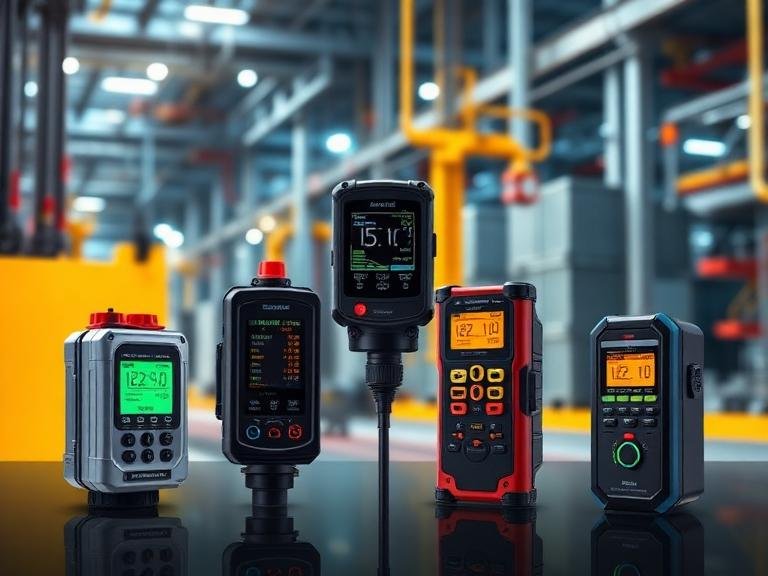
We recommend approaching gas detection not merely as a compliance checklist, but as an integrated lifeline for your facility. A reliable Best sensor gas detector will provide continuous, accurate data, minimizing false alarms while ensuring rapid response times during genuine leak events. In this authoritative guide, we will analyze the top 7 Best sensor gas detector systems available on the market today, breaking down their specific applications, sensor technologies, and data integration capabilities to help you make an informed procurement decision.
Table of Contents
Why Accuracy Matters in Gas Detection
The primary function of the Best sensor gas detector is to provide an early warning system against toxic exposure, asphyxiation, and explosive ignition. Combustible gases like methane, and toxic gases like hydrogen sulfide, pose immediate threats to life and infrastructure. If a detector drifts from its calibration point or suffers from sensor poisoning, the consequences can be catastrophic.
From our experience, investing in the Best sensor gas detector ensures that your monitoring equipment can withstand harsh industrial conditions. High-quality detectors utilize advanced microprocessors to compensate for fluctuations in temperature and humidity, providing stable readings. Furthermore, the Best sensor gas detector will offer seamless integration into your existing Supervisory Control and Data Acquisition (SCADA) systems or Distributed Control Systems (DCS), ensuring that alarms trigger automated ventilation protocols or emergency shutdowns instantly.
The 7 Best Sensor Gas Detector Systems
Based on rigorous industry testing, reliability metrics, and our extensive manufacturing expertise at Sino-Inst, we have curated the following list of the 7 Best sensor gas detector options for comprehensive industrial safety.
1. Sino-Inst Multi Gas Detector for 2~8 Gases

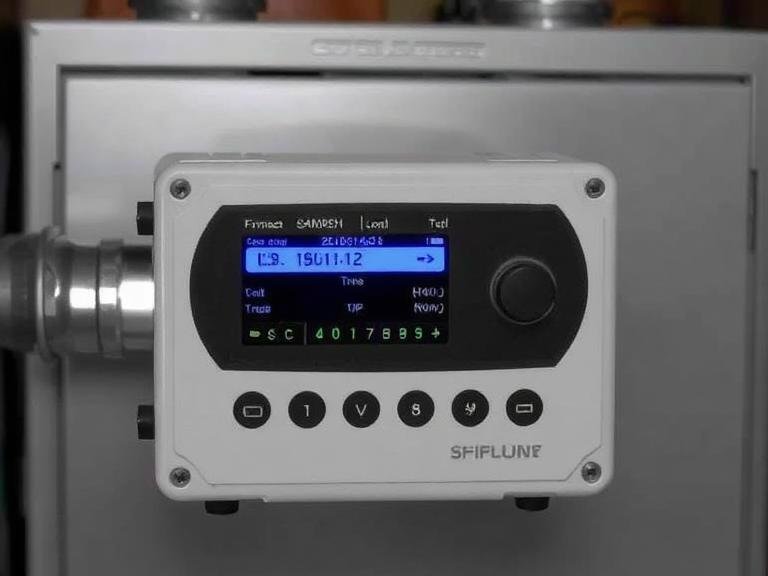
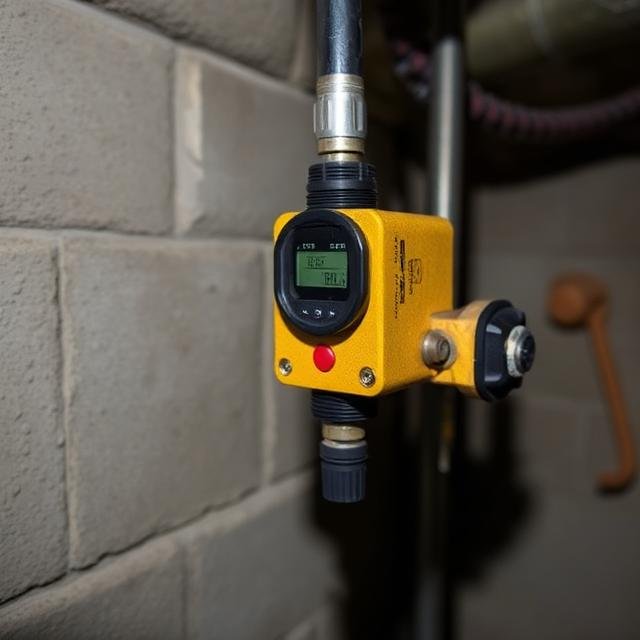
Taking the top position as the ultimate Best sensor gas detector for comprehensive facility monitoring is our Sino-Inst 1000A series fixed Multi Gas Detector. This robust unit is engineered for 24-hour continuous online monitoring of 2 to 8 gas concentrations on site. What elevates this system above standard detectors is its integrated temperature and humidity measurement capabilities, which provide crucial context for gas dispersion modeling.
The 1000A series features an intuitive on-site display of concentration, coupled with immediate sound and light alarms for exceeding the standard safety thresholds. For seamless control room integration, it supports highly reliable 4-20mA and RS485 data transmission. We highly recommend this Best sensor gas detector for complex environments. For example, it allows for the simultaneous monitoring of methane, hydrogen sulfide, carbon monoxide, oxygen, and carbon dioxide, alongside temperature and humidity. Furthermore, the specific types of gases monitored can be fully customized to meet your facility’s unique hazard profile.
2. Sino-Inst Fixed Gas Detector with Remote Sensor

When dealing with extreme environmental conditions where mounting a standard detector is impossible, the Sino-Inst Fixed Gas Detector with Remote Sensor is the premier Best sensor gas detector solution. This specialized device features a display meter and a detection sensor probe that are physically separated. It is commonly referred to in the industry as a split gas leak alarm, a Remote gas detector, or a split gas sensor.
Its biggest feature is the external extension tube, which allows for highly accurate, long-distance gas detection. The length of the split connection line ranges from a compact 30 cm up to an expansive 10 meters. At present, we recommend this split Best sensor gas detector mainly for special environment applications. It is the perfect solution for high temperature test chambers, aging chambers, mold chambers, and tank area pipelines where placing the sensitive electronics of the display unit directly in the hazard zone would result in premature equipment failure.
3. Honeywell BW Solo Single-Gas Detector
For personnel moving through potentially hazardous zones, a portable Best sensor gas detector is required. The Honeywell BW Solo is an industry standard for single-gas detection. It utilizes a 1-Series sensor technology designed for fast response times and long life. While it lacks the multi-gas capabilities of fixed systems, it is an excellent wearable Best sensor gas detector for workers requiring personal protection against specific hazards like ammonia or sulfur dioxide.
4. MSA ALTAIR 5X Multigas Detector
The MSA ALTAIR 5X is widely regarded as a top-tier portable Best sensor gas detector for confined space entry. It is capable of measuring up to six gases simultaneously and features an integrated sample pump. The ALTAIR 5X utilizes XCell Sensor technology, which provides faster response and clear times. We recommend this Best sensor gas detector for maintenance crews who must verify atmospheric safety before entering silos, sewers, or reactor vessels.
5. Dräger Polytron 8000 Series
The Dräger Polytron 8000 is a highly customizable fixed Best sensor gas detector. It features explosion-proof housing and can be fitted with a variety of electrochemical, catalytic bead, or infrared sensors. It supports HART, FOUNDATION Fieldbus, and PROFIBUS protocols. From our experience, this is a solid Best sensor gas detector for offshore oil rigs and petrochemical facilities that require rigorous explosion-proof certifications and legacy protocol support.
6. RKI Instruments GX-3R
Weighing only a few ounces, the RKI GX-3R is the world’s smallest 4-gas monitor, making it an excellent lightweight Best sensor gas detector for daily personnel wear. Despite its micro size, it reliably monitors LEL, O2, CO, and H2S. While it does not replace the continuous monitoring of a fixed system, it serves as an excellent supplementary Best sensor gas detector for individual worker safety in refineries and utility trenches.
7. Industrial Scientific Ventis Pro5
Rounding out our list of the Best sensor gas detector systems is the Ventis Pro5. This device is known for its connected safety features, utilizing Wi-Fi or cellular networks to transmit real-time gas readings and man-down alarms to centralized safety software. It is a highly effective Best sensor gas detector for managing large fleets of lone workers across expansive industrial campuses.
Expert Criteria for Selecting the Best Sensor Gas Detector
Choosing the Best sensor gas detector for your facility goes beyond looking at price tags. You must evaluate the specific operational demands of your site. We recommend assessing the following critical criteria before procurement:
- Environmental Extremes: Will the sensor be exposed to extreme heat, cold, or corrosive chemicals? If so, a split system like the Sino-Inst Fixed Gas Detector with Remote Sensor is the only viable Best sensor gas detector to ensure longevity.
- Target Gas Profiles: Does your facility deal with a single hazard or a complex mixture of combustible and toxic gases? The Best sensor gas detector must be capable of simultaneous multi-gas monitoring without cross-interference.
- Output and Integration: The Best sensor gas detector must seamlessly communicate with your control room. Look for standard outputs like 4-20mA, RS485, and relay outputs for triggering local exhaust fans.
- Maintenance and Calibration: Sensors degrade over time. The Best sensor gas detector will feature an accessible design allowing technicians to perform routine calibrations efficiently without causing extended facility downtime.
Understanding Sensor Technologies
To truly understand what makes a device the Best sensor gas detector, one must understand the technology driving the readings. Different gases require different detection methodologies:
- Electrochemical Sensors: Ideal for detecting toxic gases like Carbon Monoxide (CO) and Hydrogen Sulfide (H2S) at low parts-per-million (ppm) levels.
- Catalytic Bead Sensors: The traditional choice for combustible gases. They burn a small amount of the gas to measure the lower explosive limit (LEL).
- Non-Dispersive Infrared (NDIR) Sensors: The absolute Best sensor gas detector technology for Carbon Dioxide (CO2) and hydrocarbons in oxygen-depleted environments. They are immune to sensor poisoning.
- Photoionization Detectors (PID): Utilized in the Best sensor gas detector systems targeting Volatile Organic Compounds (VOCs).
Summary Table: Comparing the Top Detectors
| Detector Model | Type | Primary Application | Key Feature |
|---|---|---|---|
| Sino-Inst 1000A Series | Fixed / Multi-Gas | Comprehensive Facility Monitoring | 2-8 Gases, Temp/Humidity, 4-20mA/RS485 |
| Sino-Inst Remote Sensor | Fixed / Split System | Extreme Environments (High Temp/Tanks) | Separated Display/Sensor (Up to 10m) |
| Honeywell BW Solo | Portable / Single-Gas | Personal Protection | Fast 1-Series Sensor |
| MSA ALTAIR 5X | Portable / Multi-Gas | Confined Space Entry | Integrated Pump, XCell Sensors |
| Dräger Polytron 8000 | Fixed / Modular | Offshore / Petrochemical | Explosion-Proof, Fieldbus Protocols |
| RKI GX-3R | Portable / Micro | Daily Wear / Utilities | Ultra-Compact 4-Gas Detection |
| Ventis Pro5 | Portable / Connected | Lone Worker Safety | Live Cloud Connectivity |
Frequently Asked Questions
How often should I calibrate the Best sensor gas detector?
From our experience, the calibration frequency depends heavily on the operating environment and the specific sensor technology. However, industry best practices dictate that the Best sensor gas detector should undergo a bump test daily or prior to each use (for portables), and a full span calibration at least every 3 to 6 months. For fixed systems like our Sino-Inst 1000A, we recommend adhering strictly to the maintenance schedule outlined in the technical manual to ensure compliance.
What is the lifespan of the sensors inside the Best sensor gas detector?
Sensor lifespan varies by type. Electrochemical sensors typically last 2 to 3 years before the electrolyte is depleted. Infrared sensors, which do not physically react with the gas, can last 5 to 10 years. When purchasing the Best sensor gas detector, it is vital to factor in the cost and ease of sensor replacement over a 10-year facility lifecycle.
Can the Sino-Inst 1000A Series detect Volatile Organic Compounds (VOCs)?
Yes. As a highly customizable Best sensor gas detector, the Sino-Inst 1000A Series can be equipped with advanced PID sensors specifically calibrated for the precise detection of VOCs, alongside standard toxic and combustible gas sensors.
Why would I choose a split Best sensor gas detector over a standard fixed unit?
We highly recommend the Sino-Inst Fixed Gas Detector with Remote Sensor for applications where the detection point is physically inaccessible for maintenance, or where environmental factors (such as a 150°C aging chamber) would destroy the LCD screen and internal transmitter circuitry. The split design keeps the vulnerable electronics safe while placing only the ruggedized probe in the hazard zone.