.png)
Introduction to Fire Service Gas Detection
When lives are on the line and seconds count, first responders cannot rely on guesswork. Identifying hazardous atmospheres is a critical component of modern firefighting and hazardous materials (hazmat) response. To understand what best gas detectors do fire departments use, we must look deeply into the technological advancements that have shaped industrial safety over the past decade. Firefighters face environments filled with unseen dangers, from toxic fumes to explosive vapors. From our experience, the margin for error in these scenarios is absolutely zero.
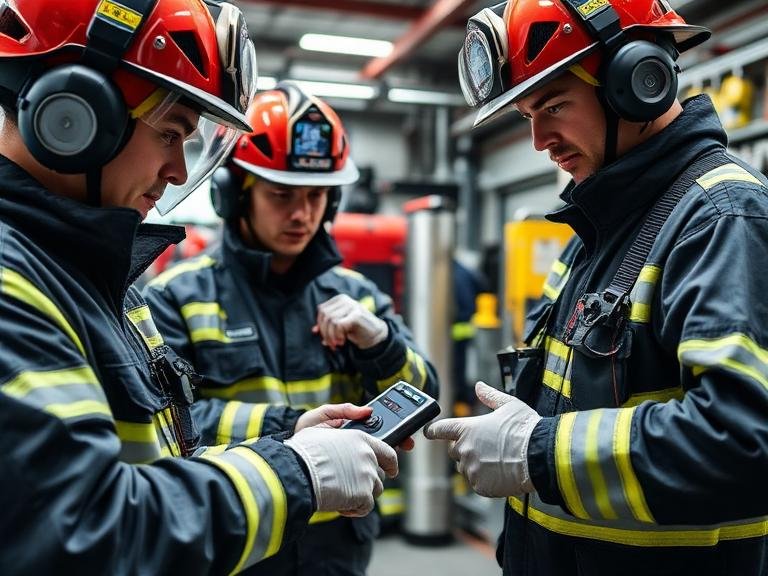
Table of Contents
- Introduction to Fire Service Gas Detection
- Core Requirements for Emergency Response
- The Primary Gases Firefighters Encounter
- Sensor Technologies Driving the Industry
- Sino-Inst Solutions for Extreme Environments
- Key Operational Scenarios
- Calibration and Maintenance Protocols
- Summary Table of Detection Technologies
- Frequently Asked Questions
- References
Many industry professionals frequently ask about the best gas detectors do fire departments use because municipal safety standards often set the benchmark for private industrial applications. Whether responding to a residential carbon monoxide alarm, a massive industrial chemical spill, or conducting overhaul operations after a structure fire, emergency crews require instrumentation that is rugged, reliable, and highly accurate. In this comprehensive guide, we will explore the specific technologies, sensor configurations, and operational protocols that define the best gas detectors do fire departments use today.
Core Requirements for Emergency Response
Not all monitoring equipment is created equal. When evaluating which best gas detectors do fire departments use, several core requirements stand out. Fireground operations are incredibly harsh. Equipment is subjected to extreme heat, freezing cold, water immersion, physical shock, and dense particulate matter. Therefore, durability is just as important as sensor accuracy.
From our experience at Sino-Inst, we recommend that any instrument deployed in emergency services must possess an IP67 or IP68 rating, ensuring complete protection against dust and water ingress. Furthermore, the best gas detectors do fire departments use must feature intuitive user interfaces. In a high-stress environment, a firefighter wearing thick gloves and a self-contained breathing apparatus (SCBA) must be able to operate the device easily and read the display through a fogged facepiece. High-visibility alarms, including loud audible sirens, bright flashing LEDs, and strong vibrating alerts, are standard features of the best gas detectors do fire departments use.
Another crucial requirement is rapid response time (T90 time). When walking into a potentially explosive atmosphere, a delay of five seconds can be the difference between a safe retreat and a catastrophic event. The best gas detectors do fire departments use are engineered with advanced microprocessors that sample and analyze air at exceptional speeds.
The Primary Gases Firefighters Encounter
To fully grasp the capabilities of the best gas detectors do fire departments use, it is necessary to understand the invisible threats they are hunting. Most standard issue multi-gas meters configured for fire departments are set up to detect four primary hazards:
- Oxygen (O2): Normal air contains about 20.9% oxygen. Firefighters must monitor for oxygen-deficient atmospheres (below 19.5%), which can cause asphyxiation, as well as oxygen-enriched atmospheres (above 23.5%), which drastically increase the flammability of materials.
- Carbon Monoxide (CO): The silent killer. CO is a colorless, odorless byproduct of incomplete combustion. It is present at almost every fire scene and is the primary reason why the best gas detectors do fire departments use must be highly sensitive to toxic ranges.
- Hydrogen Sulfide (H2S): Commonly found in sewers, confined spaces, and industrial facilities, H2S is highly toxic and flammable. It deadens the sense of smell, making electronic detection vital.
- Lower Explosive Limit (LEL): LEL sensors measure the concentration of combustible gases in the air. The best gas detectors do fire departments use will alarm well before the concentration reaches a level that could ignite.
Sensor Technologies Driving the Industry
The foundation of the best gas detectors do fire departments use lies in their internal sensor technology. Different gases require different detection methods. Electrochemical sensors are the standard for toxic gases like CO and H2S. These sensors generate a small electrical current when exposed to the target gas, proportional to the gas concentration. They are favored for their low power consumption and high accuracy.
For measuring LEL, catalytic bead sensors have historically been the go-to choice. However, when examining what best gas detectors do fire departments use in modern times, we see a shift towards Non-Dispersive Infrared (NDIR) sensors. NDIR sensors are immune to sensor poisoning (a common issue with catalytic beads when exposed to silicones) and do not require oxygen to operate, making them ideal for confined space entry.
Additionally, Photoionization Detectors (PID) are becoming standard issue for hazmat teams. PID sensors are essential for detecting Volatile Organic Compounds (VOCs) at part-per-million (ppm) levels. The inclusion of PID technology is a hallmark of the absolute best gas detectors do fire departments use when responding to complex chemical emergencies.
Sino-Inst Solutions for Extreme Environments

At Sino-Inst, we understand the rigorous demands placed on industrial and emergency response equipment. While fire departments utilize portable meters for mobility, fixed monitoring systems play a crucial parallel role in facility safety, often providing the first alert that summons the fire department.
Monitoring Volatile Organic Compounds (VOCs)
When fire crews respond to industrial facilities, they often encounter VOCs. VOCs, or Volatile Organic Compounds, are a class of organic compounds that readily evaporate at room temperature. They are composed of carbon (C) and hydrogen (H) elements and can originate from various chemical substances, including solvents, fuels, paints, and cleaning agents. Common examples include benzene, formaldehyde, xylene, and ethanol. Due to their volatility, they can rapidly convert to gas at room temperature and disperse into the surrounding air.
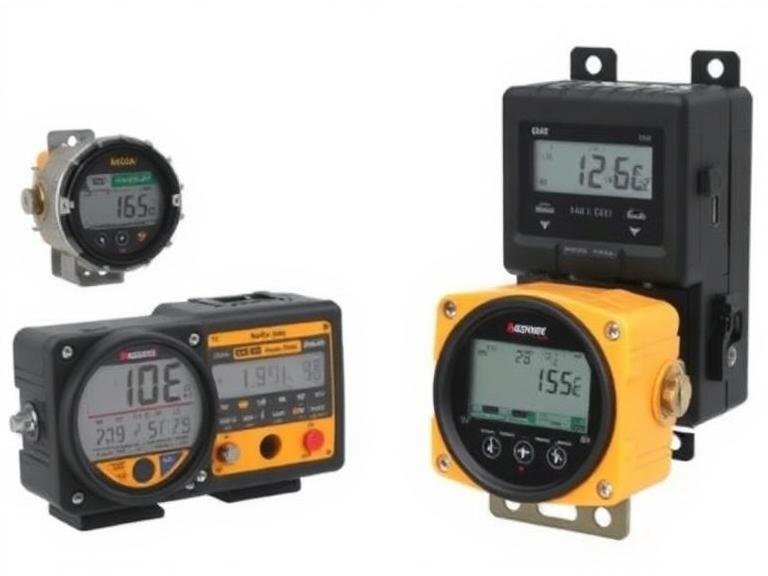
For facilities looking to protect their personnel and provide early warnings to emergency responders, we recommend the Sino-Inst Fixed VOC Monitor. Fixed VOC monitors are suitable for continuous online detection and alarm of volatile organic compound (VOC) gases in workshops, enclosed work areas, and around equipment. The robust and durable explosion-proof enclosure is suitable for various hazardous locations and harsh industrial environments. This fixed architecture complements the portable best gas detectors do fire departments use by providing continuous baseline data.
High-Temperature Applications
Fires generate immense heat, which can destroy standard consumer-grade sensors. This is why the best gas detectors do fire departments use must be capable of withstanding thermal stress. For industrial process monitoring and localized high-heat zones, Sino-Inst provides specialized solutions.
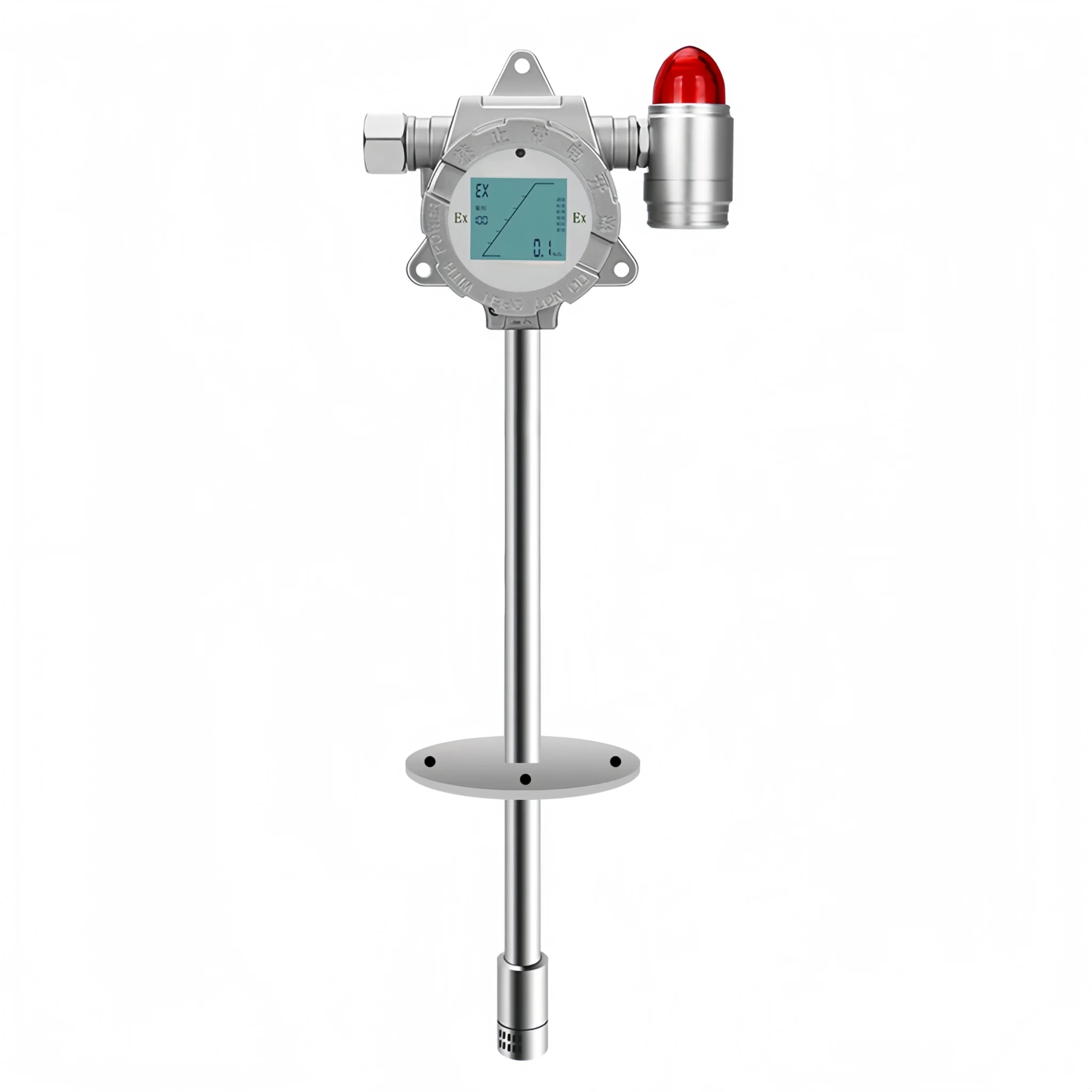
We recommend the Sino-Inst High Temperature Combustible Gas Detector. This unit is a high-temperature combustible gas detector, suitable for real-time and accurate detection of high-temperature combustible gas concentration and gas leakage in various environments. Adopting catalytic combustion sensor and microcontroller technology, it features fast response speed and high measurement accuracy. It plays an early warning role in the safety of dangerous site operations, preventing thermal events before the fire department even needs to be called.
Key Operational Scenarios
To truly answer the question of what best gas detectors do fire departments use, we must look at how they are deployed in the field.
Overhaul Phase: After the visible flames are extinguished, the overhaul phase begins. Firefighters tear into walls and ceilings to find hidden fire. During this phase, materials continue to smolder, releasing massive amounts of CO and Hydrogen Cyanide (HCN). From our experience, many injuries occur during overhaul because personnel prematurely remove their SCBA masks. The best gas detectors do fire departments use are essential here to confirm that the air is truly safe to breathe.
Confined Space Rescue: When a worker collapses in a sewer or industrial tank, fire departments are the primary rescue agency. The atmosphere inside may be oxygen-deficient or filled with H2S. The best gas detectors do fire departments use are dropped into the space attached to a sampling line and internal pump to draw air up to the meter before any rescuer enters the hole.
Hazmat Response: During chemical spills, identifying the exact substance is paramount. Here, the best gas detectors do fire departments use will feature PID sensors to measure VOCs, allowing the hazmat team to establish hot, warm, and cold zones to protect the public.
Calibration and Maintenance Protocols
Even the best gas detectors do fire departments use are useless if they are not properly maintained. Sensor drift is a reality in all electronic gas measurement devices. Fire departments adhere to strict maintenance protocols to ensure reliability.
We recommend conducting a “bump test” before every single use. A bump test involves exposing the meter to a known concentration of test gas to verify that the sensors respond and the alarms activate. This is not a calibration, but a functional check. Furthermore, full span calibrations must be performed monthly or exactly as specified by the manufacturer. The best gas detectors do fire departments use often pair with automated docking stations that perform these bump tests, calibrate the sensors, and digitally log the data for compliance and liability purposes.
Summary Table of Detection Technologies
| Sensor Technology | Target Gases | Fire Department Application | Sino-Inst Industrial Equivalent Focus |
|---|---|---|---|
| Electrochemical | CO, H2S, O2, HCN | Overhaul monitoring, confined space entry, general toxicity checks. | Continuous toxic gas monitoring in chemical plants. |
| Catalytic Bead | Combustibles (LEL) | Detecting explosive limits of natural gas, propane, and vapors. | Sino-Inst High Temperature Combustible Gas Detector. |
| Photoionization (PID) | VOCs (Benzene, Toluene, etc.) | Hazmat response, establishing perimeter safety zones. | Sino-Inst Fixed VOC Monitor for workshops and enclosed areas. |
| Infrared (NDIR) | Combustibles, CO2 | Oxygen-deficient combustible monitoring. | Refinery and pipeline fixed monitoring points. |
Frequently Asked Questions
Why can’t fire departments use consumer-grade carbon monoxide detectors?
Consumer-grade detectors are designed for residential use and only alarm after a prolonged exposure to high levels of CO to prevent nuisance alarms. From our experience, the best gas detectors do fire departments use must provide instantaneous readings down to single parts-per-million to allow firefighters to make immediate tactical decisions.
What is a 4-gas monitor?
A 4-gas monitor is the standard configuration for the best gas detectors do fire departments use. It typically measures Oxygen (O2), Carbon Monoxide (CO), Hydrogen Sulfide (H2S), and the Lower Explosive Limit (LEL) of combustible gases simultaneously.
How often should these detectors be calibrated?
We recommend a functional bump test before every shift or use. Full calibration using a certified calibration gas should be performed every 30 days, or immediately if the device fails a bump test or is subjected to an extreme physical shock.
Can the best gas detectors do fire departments use detect natural gas leaks?
Yes. The LEL sensor within the multi-gas meter is specifically designed to detect combustible gases, including methane (the primary component of natural gas), alerting crews before the gas reaches an explosive concentration.
References
- Occupational Safety and Health Administration (OSHA). Standard 1910.146 – Permit-required confined spaces.
- National Fire Protection Association (NFPA). NFPA 350: Guide for Safe Confined Space Entry and Work.
- Sino-Inst Industrial Measurement. Technical Specifications on VOC and High-Temperature Gas Detection. Sino-Inst Corporate Data.