.png)
When planning a getaway, most travelers focus on itineraries, packing lists, and accommodation aesthetics. However, an invisible, odorless, and tasteless threat often goes entirely unnoticed: carbon monoxide (CO). Dubbed the silent killer, carbon monoxide poisoning is a severe risk in hotels, cabin rentals, and recreational vehicles. From our experience at Sino-Inst, an industry leader in industrial and commercial gas detection technologies, relying purely on the safety standards of temporary accommodations is a dangerous gamble. Knowing how to detect carbon monoxide while on vacation is not just a precautionary measure; it is a fundamental survival skill that every traveler must master.
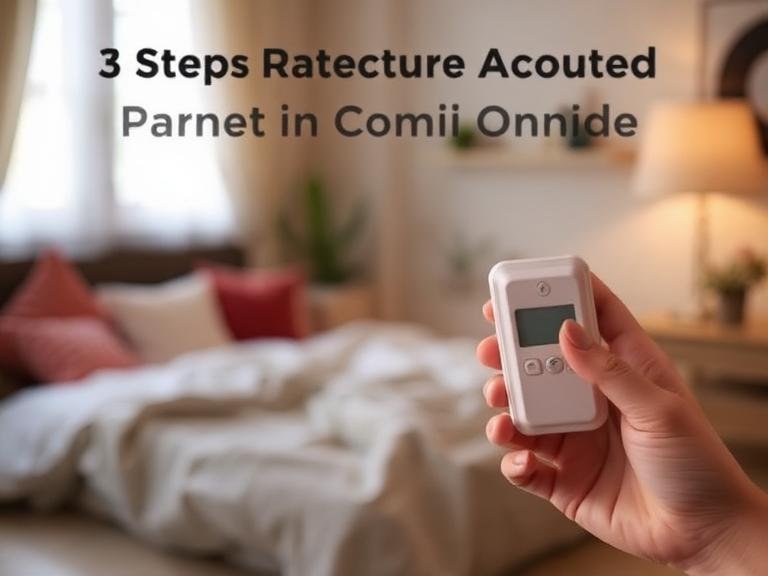
Every year, tragic incidents occur globally where tourists fall victim to CO poisoning due to faulty heating systems, poorly ventilated fireplaces, or malfunctioning water heaters in their rental properties. Because regulations regarding gas safety vary drastically from country to country, and even from state to state, you cannot assume your vacation rental is equipped with operational, up-to-date monitoring systems. In this comprehensive technical guide, we will explore the science behind gas accumulation in enclosed spaces, the limitations of consumer-grade alarms, and exactly how to detect carbon monoxide while on vacation to ensure your travels remain safe and secure.
Table of Contents
- 1. The Hidden Threat of CO Poisoning During Travel
- 2. Why You Must Know How to detect carbon monoxide while on vacation
- 3. Practical Engineering Steps to detect carbon monoxide while on vacation
- 4. Professional-Grade Detection Solutions for Property Managers
- 5. Summary Table: Travel CO Detection Checklist
- 6. Frequently Asked Questions (FAQs)
- 7. Industry References
1. The Hidden Threat of CO Poisoning During Travel
Carbon monoxide is produced by the incomplete combustion of fossil fuels, including natural gas, propane, wood, and coal. In a typical residential or commercial setting, modern building codes mandate strict ventilation and exhaust frameworks to expel these byproducts safely outdoors. However, vacation environments often present unique risks. Boutique hotels housed in centuries-old buildings, rustic winter cabins, and modern recreational vehicles (RVs) all utilize combustion-based appliances but frequently suffer from compromised ventilation dynamics.
From our experience engineering gas analysis instruments, the most common sources of CO in vacation rentals include defective gas water heaters, unvented space heaters, blocked chimney flues, and even generators running too close to air intake vents. When combustion appliances fail to vent properly, CO gas rapidly displaces oxygen in the enclosed environment. Because human senses cannot perceive the gas, occupants may experience headaches, dizziness, and nausea, which are easily misdiagnosed as jet lag, food poisoning, or altitude sickness. If you do not have a strategy to detect carbon monoxide while on vacation, these initial symptoms can rapidly progress to unconsciousness and asphyxiation.
2. Why You Must Know How to detect carbon monoxide while on vacation
Many travelers operate under the false assumption that international hospitality standards are uniform. We recommend approaching travel safety with a highly critical engineering mindset. While many developed nations mandate hardwired CO alarms in transient lodging, enforcement is often lax. Furthermore, in many popular international tourist destinations, there are absolutely no legal requirements for hosts to install carbon monoxide alarms in rental properties.
Even when a rental property advertises the presence of a CO detector, the reality can be alarming. Consumer-grade detectors utilize electrochemical sensors that degrade over time. The typical lifespan of a consumer CO sensor is between five and seven years. After this period, the sensor loses its sensitivity and will fail to trigger an alarm in the presence of lethal gas concentrations. Furthermore, many hosts fail to routinely replace the batteries in these units. Therefore, outsourcing your safety to an unknown property manager is an unacceptable risk. You must take proactive ownership of your environment and learn how to detect carbon monoxide while on vacation using reliable, independent methods.
3. Practical Engineering Steps to detect carbon monoxide while on vacation
To systematically eliminate the risk of toxic gas exposure during your travels, we recommend implementing a multi-layered approach to environmental safety. Successfully learning how to detect carbon monoxide while on vacation involves both technological instrumentation and visual safety inspections.
Step 1: Pack a Portable Travel CO Detector
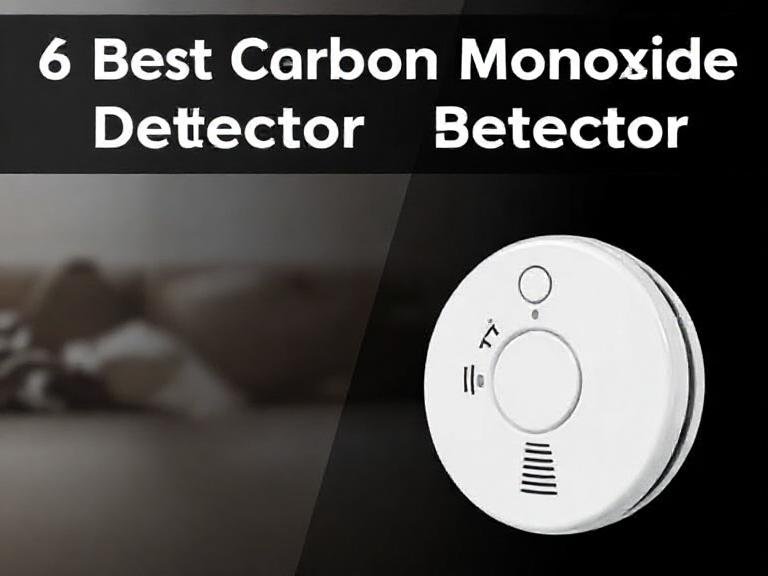
The most absolute and foolproof method to detect carbon monoxide while on vacation is to carry your own dedicated instrument. We recommend purchasing a high-quality, battery-operated portable CO monitor designed specifically for travel. When selecting a device, look for one that features a digital parts-per-million (PPM) display rather than just a basic alarm siren. A digital display allows you to observe low-level CO accumulation (e.g., 15 to 30 PPM) before it reaches the critical alarm threshold (typically 70 PPM or higher). This early warning capability is vital for protecting vulnerable individuals, such as infants or those with cardiovascular conditions, who may be adversely affected by prolonged low-level exposure.
Step 2: Conduct a Visual Engineering Inspection
Upon arriving at your accommodation, do not simply drop your bags and relax. Take five minutes to conduct a visual inspection of the property’s combustion appliances. While a visual check does not replace the need to detect carbon monoxide while on vacation using an electronic sensor, it can identify imminent hazards. Inspect the flame on gas stoves and water heaters; a healthy gas flame should burn crisp and blue. A lazy, flickering yellow or orange flame indicates incomplete combustion, which is a primary generator of carbon monoxide. Additionally, check for heavy soot accumulation around fireplaces or water heater draft hoods, as this is a clear indicator of poor drafting and potential CO spillage into the living space.
Step 3: Test Existing Safety Equipment
If your hotel or rental provides a wall-mounted CO alarm, locate it immediately. It should be installed in the hallway outside sleeping areas, not hidden behind curtains or furniture. Press the test button to ensure the audible siren functions. However, remember that the test button only verifies the battery and circuit integrity; it does not verify that the internal electrochemical sensor can actually detect carbon monoxide while on vacation. This is precisely why your independent portable monitor remains your primary line of defense.
4. Professional-Grade Detection Solutions for Property Managers
While individual travelers must rely on portable units to detect carbon monoxide while on vacation, the ultimate responsibility for environmental safety lies with property owners, hotel operators, and HVAC engineers. Relying on cheap, consumer-grade, battery-operated alarms in commercial hospitality settings is a severe liability. For high-turnover environments where guests expect guaranteed safety without needing to figure out how to detect carbon monoxide while on vacation themselves, industrial-grade continuous monitoring is the only acceptable engineering solution.
Sino-Inst Online Gas Detector for Single Gas

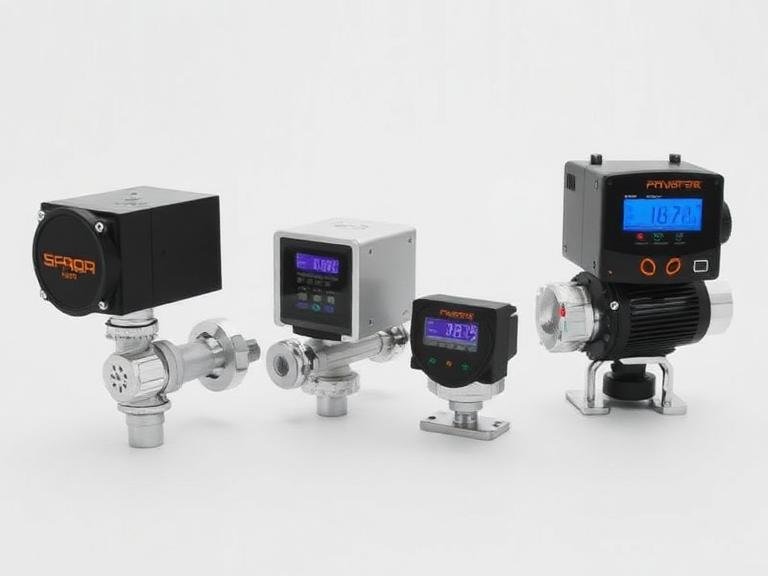
From our experience supplying critical safety infrastructure worldwide, we recommend the Sino-Inst Online Gas Detector for Single Gas for all premium vacation rentals, hotel boiler rooms, and commercial hospitality environments.
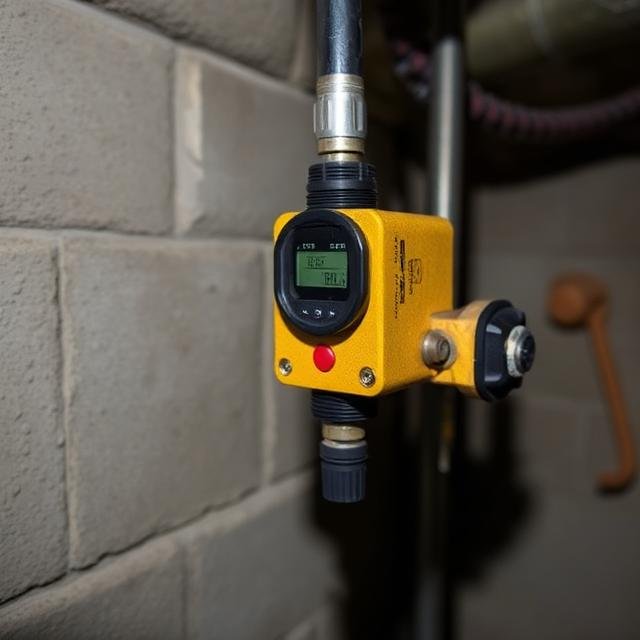
Our 1000 series Online Gas Detector can be used for gas concentration detection and leakage alarm in various environments. It has intelligent sensor detection technology, overall flameproof (d) structure, and fixed installation. Real-time display of various technical indicators and gas concentration values ensures that facility managers have absolute visibility over the environmental safety of their properties.
This industrial unit is compatible with various control alarms, PLC, DCS and other control systems. Realize on-site alarm warning, 4-20mA/RS485 standard signal output, relay switch output. If carbon monoxide levels begin to rise in a hotel mechanical room or a rental cabin, the relay switch output can be programmed to automatically shut off the faulty gas valve or activate emergency exhaust ventilation, neutralizing the threat before guests are ever at risk.
- Short delivery time
- Better price
- Customizable parameters
By installing the Sino-Inst 1000 series, property managers provide a fail-safe environment, ensuring guests never have to worry about how to detect carbon monoxide while on vacation.
5. Summary Table: Travel CO Detection Checklist
To assist travelers and property managers alike, we have compiled a quick-reference matrix outlining the critical components required to properly detect carbon monoxide while on vacation.
| Action Item | Traveler Responsibility | Property Manager Responsibility | Engineering Rationale |
|---|---|---|---|
| Hardware Deployment | Pack a portable digital PPM monitor. | Install Sino-Inst Online Gas Detector for Single Gas. | Ensures continuous, localized detection regardless of property standards. |
| Appliance Inspection | Check for blue flames and lack of soot upon arrival. | Conduct annual professional HVAC and flue inspections. | Yellow flames and soot indicate incomplete combustion and CO generation. |
| Alarm Verification | Press the test button on existing room alarms. | Integrate 4-20mA/RS485 outputs to a central DCS monitoring system. | Guarantees that localized or central alarms will trigger during an event. |
| Symptom Awareness | Recognize headache, dizziness, and nausea as potential CO exposure. | Provide clear emergency evacuation protocols and safety placards. | Early human recognition prevents prolonged exposure to toxic PPM levels. |
6. Frequently Asked Questions (FAQs)
Why is it so difficult to detect carbon monoxide while on vacation without electronic sensors?
Carbon monoxide is a completely stealthy gas. It is entirely invisible, has no odor, and leaves no taste in the air. Furthermore, it does not cause irritation to the eyes or respiratory tract. Therefore, human senses are biologically incapable of detecting its presence, making electronic electrochemical sensors absolutely mandatory for survival.
Will a standard smoke detector detect carbon monoxide while on vacation?
No. Smoke detectors and carbon monoxide detectors utilize entirely different sensing technologies. Smoke detectors rely on photoelectric or ionization chambers to detect physical combustion particles. Carbon monoxide detectors rely on electrochemical cells that generate an electrical current when exposed to specific CO gas molecules. You must have a dedicated CO detector.
How does humidity and temperature in vacation spots affect my portable detector?
From our experience, extreme temperatures and high humidity (such as in tropical resorts) can impact the baseline reading of cheap consumer electrochemical sensors. This is why we recommend high-quality portable units for travelers, and the robust, flameproof Sino-Inst 1000 series Online Gas Detector for permanent property installations, as it is engineered with intelligent sensor detection technology to compensate for environmental variables.
What should I do if my device begins to detect carbon monoxide while on vacation?
If your alarm sounds or your digital display shows rising PPM levels, evacuate the premises immediately to open, fresh air. Do not pause to open windows or collect belongings. Once safely outside, contact local emergency services or the fire department, and do not re-enter the accommodation until professionals have cleared the building using industrial gas analyzers.
7. Industry References
To further understand the severe risks of gas exposure and the technical specifications required for proper environmental monitoring, we recommend consulting the following authoritative regulatory and health organizations: