.png)
Safety is not a variable; it is a constant requirement in industrial process control. When dealing with combustible gases, the difference between a minor leak and a catastrophic event often comes down to early detection. From our experience in the field, merely owning safety equipment is insufficient; you must know exactly where to put an explosive gas detector to ensure it functions effectively. Incorrect placement can render even the most sophisticated sensors useless.
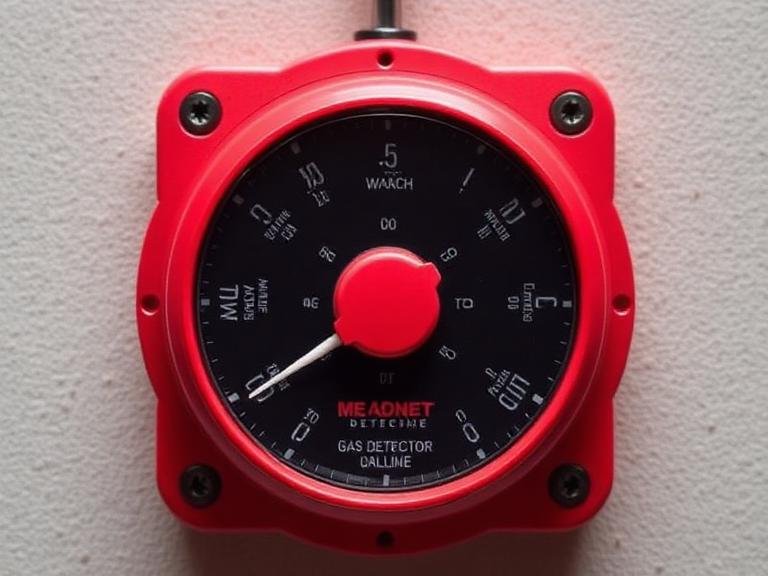
We see many facility managers make critical errors during installation. They often treat gas detectors like smoke alarms, placing them centrally on a ceiling without considering the specific gravity of the target gas or airflow patterns. This guide provides authoritative, practical advice on how to properly install these life-saving devices.
Table of Contents
1. Determine Placement Based on Gas Density
The single most important factor when you decide where to put an explosive gas detector is the relative density of the gas compared to air. We cannot stress this enough: universal placement height does not exist. Gases behave differently based on their molecular weight.
Lighter-than-Air Gases
Gases such as hydrogen, methane (natural gas), and ammonia are lighter than air. In the event of a leak, these gases will rise and accumulate near the ceiling or roofline. From our experience, if you install a detector for these gases at eye level, the leak will likely reach explosive concentrations above you before the sensor ever triggers. For these applications, we recommend placing sensors within 12 inches of the ceiling.
Heavier-than-Air Gases
Conversely, gases like propane, butane, and gasoline vapors are heavier than air. They will sink and pool along the floor, filling trenches and low-lying areas. To properly put an explosive gas detector for these hazards, the unit must be mounted low, typically 12 to 18 inches from the floor. We have seen catastrophic failures where propane sensors were mounted at breathing height, missing dangerous accumulation at ground level entirely.
2. Account for Airflow and Dead Zones
Airflow dynamics in an industrial facility can drastically alter gas dispersion. When you put an explosive gas detector, you must consider ventilation systems, fans, and natural drafts. We advise against placing detectors directly in front of supply vents or fans. High-velocity clean air can dilute the gas plume before it reaches the sensor, causing a failure to alarm or a delayed response.
Instead, identify the “dead zones” where air currents stagnate. These are the areas where gas pockets are most likely to accumulate. Furthermore, consider the potential leak source. The detector should be placed relatively close to valves, flanges, or compressors, but not so close that high-pressure leaks might “jet” past the sensor.
3. Protect Against Environmental Stressors
Industrial environments are harsh. Sensors are sensitive electrochemical or catalytic devices that can be poisoned or damaged by external factors. When you put an explosive gas detector in a processing plant, consider temperature, moisture, and vibration.
We recommend avoiding locations directly exposed to steam, wash-down sprays, or excessive heat sources unless the device is specifically rated for those conditions. Water condensation on the sensor head can block gas from entering the detection chamber. If the installation area is prone to wash-downs, ensure the detector is equipped with a splash guard or weather protection housing.
4. Ensure Accessibility for Calibration
A common mistake we encounter is the installation of detectors in inaccessible locations. Gas detectors are not “set and forget” devices. They require regular bump testing and calibration to remain compliant and functional. If you put an explosive gas detector 20 feet up in rafters without a remote calibration adapter or a catwalk, maintenance becomes a logistical nightmare and a safety hazard.
From our operational perspective, if a device is hard to reach, it will be neglected. We recommend installing remote sensor heads if the detection point is inaccessible. This allows the display and calibration interface to be mounted at eye level while the sensor itself monitors the hazard zone high above or deep below.
5. Integrate with a Central Monitoring System
Stand-alone alarms are useful, but in large facilities, they are insufficient. We recommend that when you put an explosive gas detector in place, it should be wired into a Gas Monitoring System or a PLC. This allows for automated responses, such as shutting down valves or activating ventilation fans immediately upon detection.
Data logging is another critical aspect. Modern systems provided by companies like Sino-Inst allow for real-time tracking of gas levels, which can help identify micro-leaks before they become major breaches.
Industrial Solutions by Sino-Inst
Partnering with Sino-Inst for Gas Detection
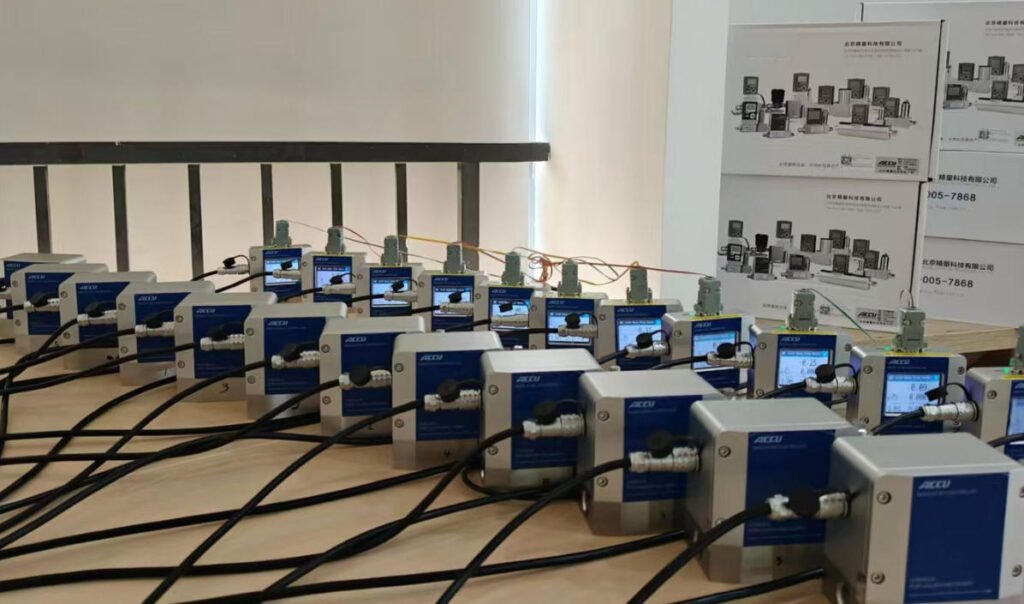
Sino-Inst is a professional supplier of industrial process and analytical instruments. We understand that obtaining reliable measurement and analysis solutions is critical for safety and cost management. From our experience, sourcing customized products and utilizing OEM services can significantly streamline procurement costs while ensuring top-tier safety compliance.
We will be your most trusted partner in supplying high-quality instrumentation, including:
- Fixed Gas Detectors: Ideal for continuous monitoring of specific zones.
- Portable Gas Detectors: Essential for personnel safety in confined spaces.
- Gas Sensor Modules: For custom integration into machinery.
- Gas Monitoring Systems: Centralized control for facility-wide safety.
- Dust Monitors: To prevent dust explosions alongside gas hazards.
- Mass Flow Controllers/Meters: For precise process control.
Whether you need to put an explosive gas detector in a petrochemical plant or a dust monitor in a grain silo, Sino-Inst provides the expertise and hardware to get the job done right.
Summary Table: Installation Guidelines
| Gas Type | Density vs. Air | Recommended Installation Height | Common Hazards |
|---|---|---|---|
| Methane (Natural Gas) | Lighter | Near Ceiling (within 12 inches) | Boiler rooms, heating systems |
| Hydrogen | Much Lighter | Highest point available | Battery charging rooms |
| Propane / Butane | Heavier | Near Floor (12-18 inches up) | Storage tanks, heating |
| Gasoline Vapor | Heavier | Near Floor | Refineries, garages |
| Ammonia | Lighter | Near Ceiling | Refrigeration plants |
Frequently Asked Questions
Where should I put an explosive gas detector for natural gas?
Since natural gas (methane) is lighter than air, you should put the detector high up on the wall or on the ceiling, typically within 12 inches of the highest point in the room, to catch the gas as it rises.
How many gas detectors do I need for my facility?
The number of detectors depends on the size of the room, airflow, and the radius of coverage of the sensor (typically 900 square feet for a standard point detector). We recommend conducting a professional hazardous area assessment to determine exact quantities.
Can I put an explosive gas detector near a window?
We recommend avoiding placement near windows, doors, or ventilation supply ducts. Drafts from these openings can dilute gas concentrations, potentially preventing the alarm from triggering during a leak.
Do fixed gas detectors require maintenance?
Yes. All catalytic bead and infrared sensors drift over time. They require calibration at least every 6 months, and bump testing should be performed more frequently depending on criticality.
References
1. National Fire Protection Association (NFPA). (2024). NFPA 72: National Fire Alarm and Signaling Code.
2. International Society of Automation (ISA). (2023). Gas Detection Standards for Industrial Safety.