.png)
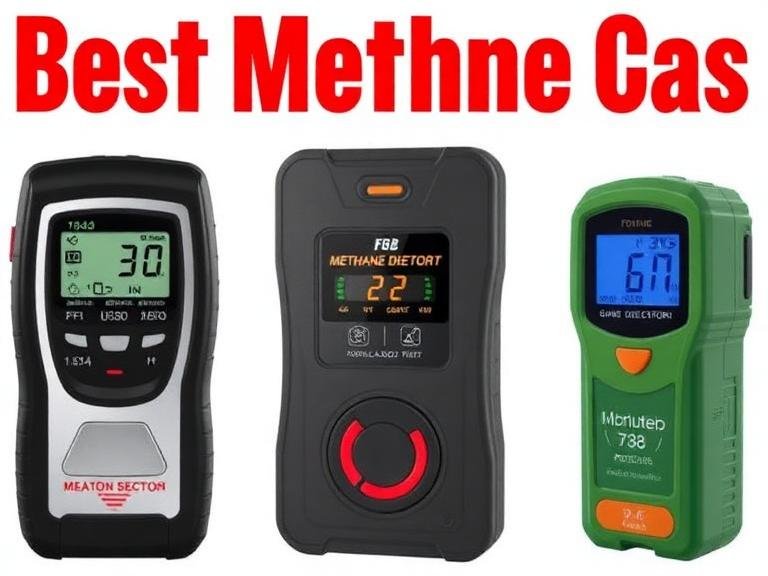
For a home inspector, credibility is built on precision. Missing a minor structural flaw might be forgivable, but failing to identify a hazardous gas leak is not. Whether checking a furnace for carbon monoxide leaks, verifying a basement for radon, or sniffing out combustible gas near a water heater, having the best gas detectors for home inspectors in your toolkit is non-negotiable.
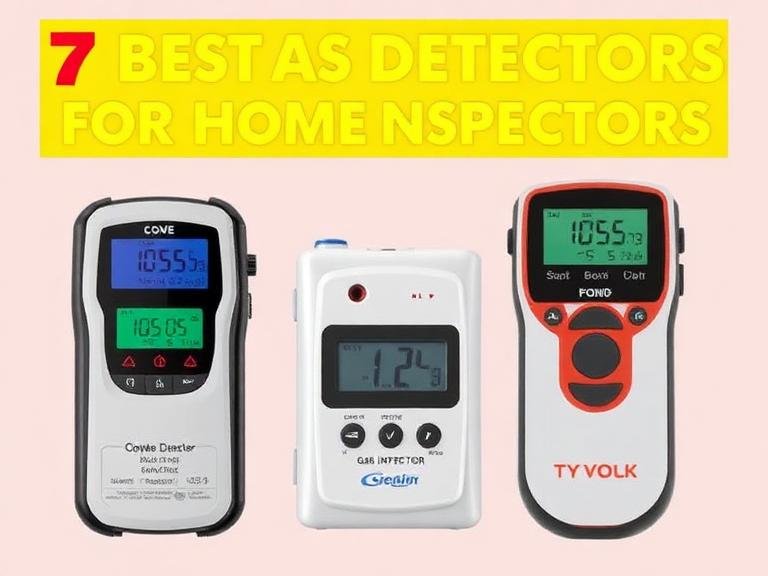
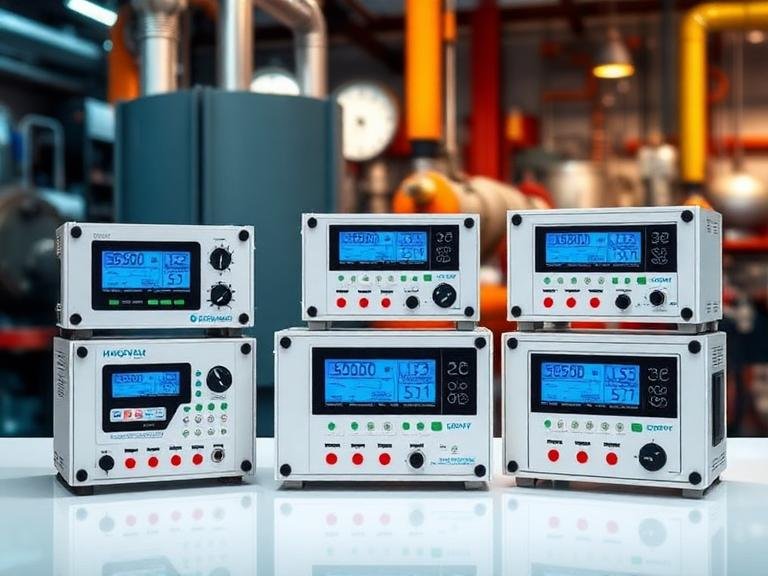
In this comprehensive guide, we have tested and analyzed the top contenders on the market. From portable handheld sniffers to advanced multi-gas monitors with data logging capabilities, we break down which tools offer the reliability you need to keep your clients safe and your inspections thorough.
Table of Contents
- 1. Why Every Home Inspector Needs a Professional Gas Detector
- 2. Key Features to Look For in Inspection Tools
- 3. Sino-Inst Handheld VOC Monitor (Pump Suction Type)
- 4. Sino-Inst Portable VOC Gas Detector (Diffusion Type)
- 5. UEi Test Instruments CD100A
- 6. Ridgid 36163 micro CD-100
- 7. Klein Tools ET120
- 8. Testo 316-3 Leak Detector
- 9. Forensics Detectors Multigas Monitor
- 10. Summary Comparison Table
- 11. Frequently Asked Questions (FAQs)
1. Why Every Home Inspector Needs a Professional Gas Detector
The human nose is notoriously unreliable when it comes to detecting dangerous gases. While additives like mercaptan give natural gas a distinct rotten egg smell, many other threats—such as carbon monoxide (CO) or Volatile Organic Compounds (VOCs)—can be odorless and colorless. Investing in high-quality detection equipment allows you to:
- Identify invisible threats: Catch leaks in HVAC systems, gas lines, and sewer pipes.
- Protect your liability: Providing documented proof of safe air quality adds value to your report.
- Ensure personal safety: Entering a confined crawlspace without checking for combustible gases or low oxygen levels is a major risk.
2. Key Features to Look For in Inspection Tools
When selecting the best gas detectors for home inspectors, focus on three pillars: sensitivity, versatility, and durability.
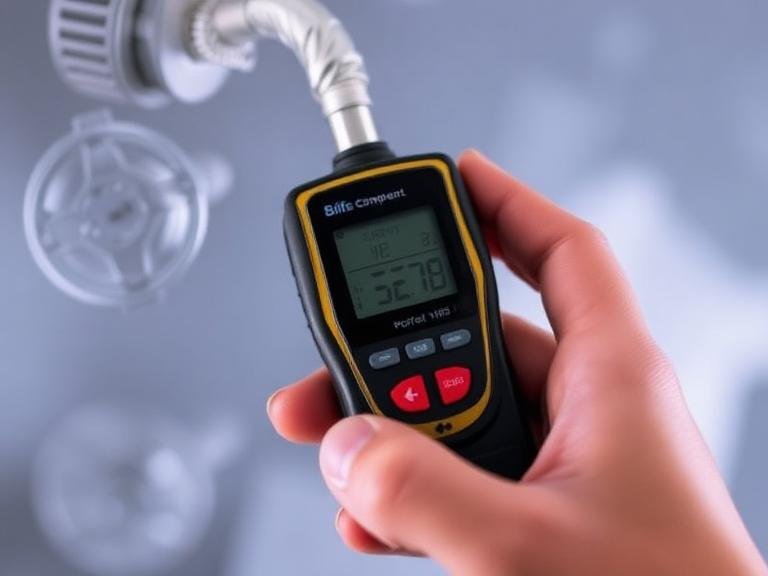
- Pump vs. Diffusion: Pump-based detectors actively pull air in, allowing you to test hard-to-reach areas like cracks in a heat exchanger or deep crawlspaces using a probe. Diffusion models rely on the gas reaching the sensor naturally.
- Response Time: In a leak detection scenario, seconds count. You need a device that reacts almost instantly to changes in gas concentration.
- Data Logging: Modern inspections often require digital reports. Devices that can store and export data via USB provide tangible evidence for your clients.
3. Sino-Inst Handheld VOC Monitor (Pump Suction Type)

For inspectors dealing with complex environments or suspecting chemical contamination (VOCs) from new construction materials, paints, or industrial proximity, the Sino-Inst Handheld VOC Monitor stands out as a premium choice. This pump-suction unit is engineered for precision and versatility.
Key Features:
- Built-in Pump-Suction: Features integrated water vapor and dust filters, ensuring the sensor isn’t damaged in dusty attics or humid basements.
- Advanced Display: A 2.5-inch high-def color screen shows real-time concentration, alarms, and historical curves.
- Massive Data Storage: Comes standard with 100,000 data storage points. You can upload this data to a computer via USB, ideal for generating detailed inspection reports.
- Rugged Build: IP67 protection rating means it is waterproof, dustproof, and shockproof—essential for the rough life of an inspector’s tool bag.
4. Sino-Inst Portable VOC Gas Detector (Diffusion Type)

If you prefer a lighter, wearable option for personal safety while walking through a property, the portable diffusion model from Sino-Inst offers an excellent balance of performance and portability. It is designed to alert you to environmental hazards as you move through the home.
Key Features:
- Multi-Alarm System: Uses audible, visual, and vibration alarms. If you are in a noisy environment or wearing thick gloves, you will still know if a hazard is detected.
- Long Battery Life: Equipped with a 2100mA polymer battery, ensuring it lasts through a full day of multiple inspections.
- Data Integrity: Supports real-time storage and data recovery, so you never lose critical findings due to accidental deletion.
- Versatile Detection: Utilizing principles like PID photoionization and electrochemical sensing, it offers high accuracy for a wide range of VOCs.
5. UEi Test Instruments CD100A
A classic staple in the industry, the UEi CD100A is often cited as one of the best gas detectors for home inspectors looking for a simple, reliable combustible gas leak detector. It features a long, flexible gooseneck probe, allowing you to trace gas lines behind appliances effectively. While it lacks the data logging of the Sino-Inst models, its simplicity and ruggedness make it a reliable workhorse for specifically pinpointing natural gas and propane leaks.
6. Ridgid 36163 micro CD-100
Ridgid is a brand synonymous with plumbing durability. The micro CD-100 provides adjustable sensitivity settings, which is crucial when trying to pinpoint the exact source of a leak without getting false positives from background gases. The “Tri-Mode Detection” allows the user to be alerted via visual, audible, or vibration settings, similar to the Sino-Inst portable unit, but focused strictly on combustibles like methane, propane, and butane.
7. Klein Tools ET120
For inspectors on a budget or those needing a backup tool, the Klein Tools ET120 is a solid entry-level option. It detects methane and propane with two levels of sensitivity. It is compact and easy to use, though it lacks the advanced features, data logging, and multi-gas capabilities of the professional-grade Sino-Inst units. It is best suited for quick spot checks rather than comprehensive environmental analysis.
8. Testo 316-3 Leak Detector
Testo is known for high-precision German engineering. The 316-3 is a dedicated refrigerant leak detector, but their line also includes combustible gas detectors. The high sensitivity of Testo sensors makes them excellent for detecting very small leaks that other detectors might miss. However, for a general home inspection covering VOCs and air quality, a multi-gas monitor is often more versatile.
9. Forensics Detectors Multigas Monitor
This unit is often used for personal safety, detecting O2, CO, H2S, and Combustibles (LEL). While effective for safety, it can be bulkier than the dedicated handheld units. It competes with the Sino-Inst portable detector but often comes at a different price point and may lack the specific VOC customization options available with the Sino-Inst pump model.
10. Summary Comparison Table
| Model | Type | Best For | Data Logging | Protection Rating |
|---|---|---|---|---|
| Sino-Inst Handheld (Pump) | Pump Suction | Remote sampling, Detailed VOC analysis, Reporting | Yes (100k records) | IP67 (Waterproof) |
| Sino-Inst Portable (Diffusion) | Diffusion | Personal Safety, Continuous Monitoring | Yes (100k records) | IP65 (Splash-proof) |
| UEi CD100A | Probe Sniffer | Pinpointing combustible leaks | No | Rugged |
| Ridgid micro CD-100 | Probe Sniffer | Plumbing/Gas line checks | No | Rugged |
| Klein Tools ET120 | Digital Sniffer | Budget/Backup tool | No | Standard |
11. Frequently Asked Questions (FAQs)
What is the difference between a combustible gas detector and a VOC monitor?
A combustible gas detector (sniffer) is designed specifically to find leaks of flammable gases like Natural Gas (Methane) or Propane to prevent explosions. A VOC monitor (like the Sino-Inst models) detects Volatile Organic Compounds—chemical off-gassing from paints, glues, or mold—which are health hazards. The best gas detectors for home inspectors often combine capabilities or inspectors carry both types.
Why is a pump-suction detector better for inspections?
A pump-suction detector, such as the Sino-Inst Handheld model, actively draws air into the sensor. This allows you to attach a hose and test the air in a crawlspace, tank, or attic before you physically enter, significantly enhancing your safety. It also provides a faster response time than diffusion models.
How often should I calibrate my gas detector?
Most manufacturers recommend professional calibration every 6 to 12 months. The Sino-Inst models feature “Log Recording” which reminds you when calibration is due, ensuring your liability protection remains intact.
Can these detectors find Carbon Monoxide (CO)?
Yes, many multi-gas monitors can be configured to detect CO. The Sino-Inst units allow for custom gas configuration, meaning you can request sensors for CO, H2S, O2, and VOCs all in one device.