.png)
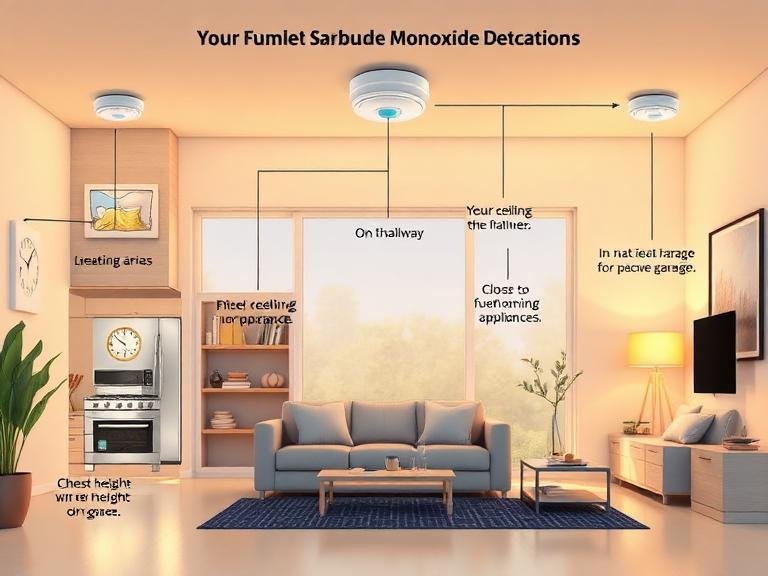
Gas leaks are a silent but potentially deadly hazard in both residential and industrial settings. Whether it is natural gas powering your stove, propane for your heater, or specialized gases in a workshop, the integrity of your piping and connections is paramount. A small, undetected leak can lead to astronomical utility bills, health issues ranging from headaches to asphyxiation, or catastrophic explosions. Learning how to detect a gas leak myself is a fundamental safety skill that every homeowner and facility manager should possess.
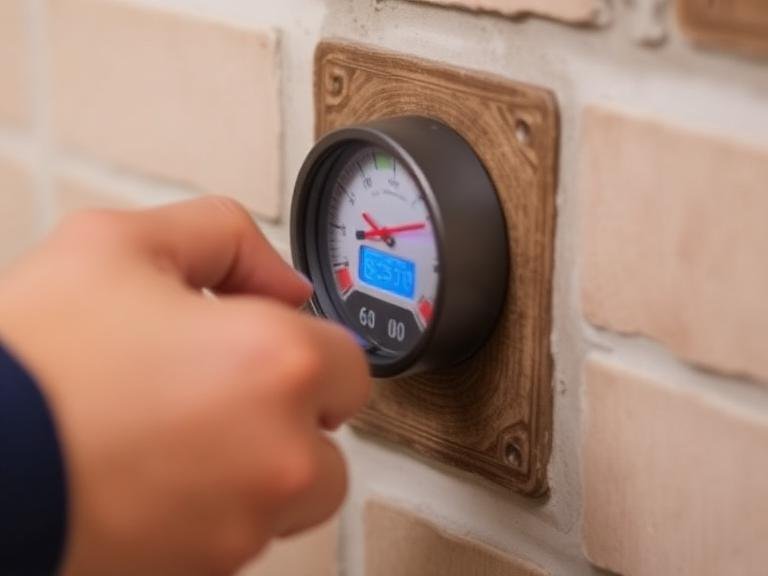
While professional inspections are necessary for certification and major repairs, there are several initial steps you can take to identify a problem before it escalates. From relying on your biological senses to utilizing specialized electronic equipment, these methods range in complexity and cost. However, safety must always come first. If you suspect a major leak, your first action should always be to evacuate and call emergency services. For minor suspicions or routine checks, the following five methods will empower you to find the source.
- 1. The Smell Test: Your First Line of Defense
- 2. The Soapy Water Solution Method
- 3. Using Electronic Gas Detectors
- 4. The Gas Meter Observation Test
- 5. Auditory and Visual Inspection
- 6. Professional Solutions: Sino-Inst
- 7. Immediate Steps to Take if You Find a Leak
- 8. Summary Comparison Table
- 9. Frequently Asked Questions (FAQs)
- 10. References
1. The Smell Test: Your First Line of Defense
The most immediate way to detect a gas leak myself relies on your own biology. Natural gas and propane are naturally odorless and colorless. To make them detectable to humans, utility companies add a chemical odorant called mercaptan (specifically methyl mercaptan or t-butyl mercaptan). This additive smells distinctly like rotten eggs or sulfur.
If you walk into your home or workshop and catch a whiff of sulfur, do not ignore it. This is a deliberate safety feature designed to alert you long before gas concentrations reach explosive levels. However, olfactory fatigue (nose blindness) can set in quickly, meaning you might stop smelling the gas after a few minutes even if it is still present. Therefore, trust your first impression upon entering a room.
2. The Soapy Water Solution Method
This is the classic, tried-and-true DIY method used by plumbers worldwide to pinpoint the exact location of a leak. It is simple, cheap, and incredibly effective for checking accessible pipe connections.
How to Perform the Test:
- Prepare the Solution: Mix a teaspoon of dish soap into a cup of water. You want it sudsy but liquid enough to flow. Alternatively, you can buy specialized leak detection fluid.
- Apply to Connections: Use a small paintbrush, sponge, or spray bottle to apply the soapy water to pipe joints, valves, regulator connections, and the back of your appliances.
- Observe Carefully: Watch the wet areas closely. If gas is escaping, it will blow bubbles in the soap solution. A large leak will create large, rapidly forming bubbles. A tiny micro-leak might create a foam of tiny white bubbles (like shaving cream) over a minute or two.
- Clean Up: Wipe the solution off the pipes with a clean cloth to prevent corrosion later.
3. Using Electronic Gas Detectors

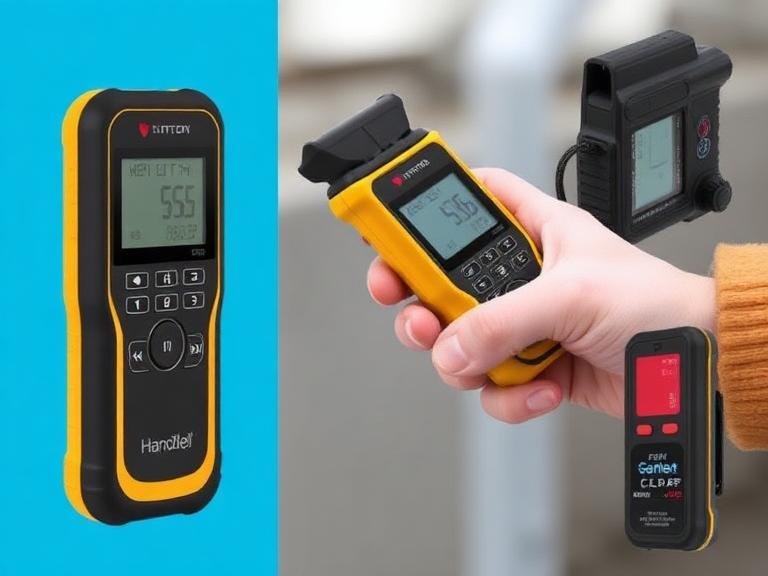
For those who want a higher level of precision or need to check areas that are hard to reach with soapy water, an electronic gas detector is the superior choice. These handheld devices use catalytic bead or infrared sensors to detect the presence of combustible gases in the air.
When trying to detect a gas leak myself using an electronic tool, you simply turn the device on in a fresh-air environment to calibrate it (usually takes 30 seconds), then move the probe tip along gas lines. The device will usually emit a ticking sound that increases in frequency or an alarm that screams as the concentration of gas rises. This is excellent for finding leaks behind stoves or inside cabinets where you cannot easily see bubbles.
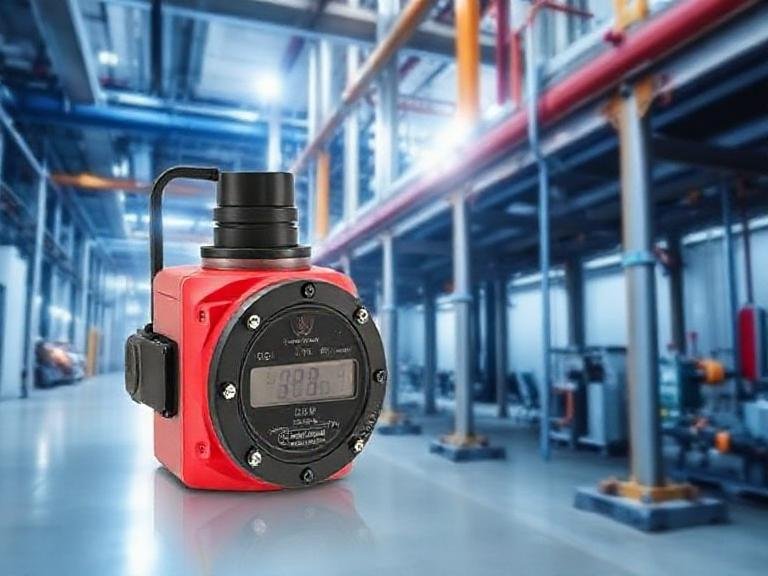
For industrial or continuous monitoring needs, specialized suppliers like Sino-Inst offer robust solutions that go far beyond the capabilities of a cheap hardware store wand.
4. The Gas Meter Observation Test
If you suspect a leak but cannot locate it, or if you want to confirm the integrity of your entire system, checking the gas meter is a definitive diagnostic tool. This method confirms if gas is leaving the system when it shouldn’t be.
Steps to Check the Meter:
- Turn Off All Appliances: Go around your house and ensure the stove, furnace, water heater, and dryer are turned off. Note: Pilot lights consume a tiny amount of gas, but for a standard test, turning down the thermostat and ensuring main burners are off is usually sufficient for a quick check. For a precision check, you may need to shut off pilot lights.
- Locate the Meter: Go outside to your gas meter.
- Observe the Dials:
- Digital Meters: Read the numbers. Check back in 15 minutes. If the numbers have increased, gas is flowing.
- Analog Meters: Look for the smallest dial, often labeled 1/2 foot or 1/4 foot. If this dial is moving even slightly while everything is off, you have a leak downstream of the meter.
5. Auditory and Visual Inspection
Sometimes, a leak is significant enough to be heard or seen. While less common for slow leaks, these signs indicate a dangerous, high-pressure breach.
- Listen: A hissing or whistling sound near a gas line, valve, or appliance indicates a substantial amount of gas escaping under pressure. This often happens if a flex line has ruptured or a connection has completely failed.
- Look (Vegetation): If you have underground gas lines running through your yard, look for patches of dead or dying grass/plants directly above the pipe path. Natural gas displaces oxygen in the soil, suffocating the roots.
- Look (Physical Damage): Inspect exposed pipes for rust, dents, or kinked flexible connectors behind the stove. Physical damage is a precursor to leaks.
- Look (Movement): In a dusty environment, a pressurized leak might blow dust or dirt into the air near the connection point.
6. Professional Solutions: Sino-Inst
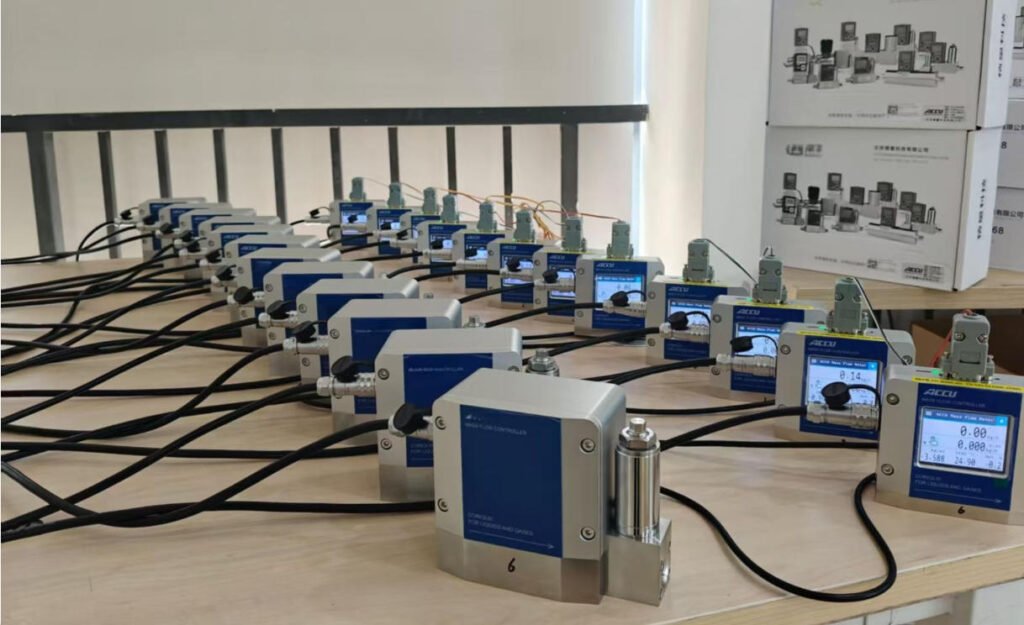
While DIY methods are excellent for initial checks, ensuring safety in complex environments requires professional-grade equipment. Whether you are a facility manager or a homeowner looking for the best, partnering with a dedicated supplier is key.
Sino-Inst is a professional supplier of industrial process and analytical instruments, including gas detectors, gas analyzers, dust detectors, and mass flow controllers. We help you obtain reliable measurement and analysis solutions while saving procurement costs.
With customized products and OEM services available, Sino-Inst is your most trusted partner for detecting hazards before they become disasters.
Our Core Products Include:
- Fixed Gas Detectors: Ideal for permanent installation in boiler rooms, kitchens, or industrial plants to provide 24/7 monitoring.
- Portable Gas Detectors: robust handheld units for technicians and safety inspectors to pinpoint leaks.
- 800 Series Gas Sensor Module: High-precision components for custom integration.
- Gas Monitoring System: Complete networked solutions for large facilities.
- Dust Monitors: Ensuring air quality in industrial settings.
- Mass Flow Controllers/Meters: Precise measurement for process control.
Investing in quality detection equipment from Sino-Inst removes the guesswork from safety.
7. Immediate Steps to Take if You Find a Leak
Knowing how to detect a gas leak myself is useless without knowing how to react. If you confirm a leak:
- Do Not Use Electronics: Do not touch light switches, phones, or appliances. A tiny spark can ignite the gas.
- Open Windows: If safe to do so quickly, ventilate the area to lower the gas concentration.
- Evacuate: Get everyone (including pets) out of the building immediately.
- Shut Off Gas: If you know where your main shut-off valve is (usually at the meter) and it is safe to approach, turn it off using a wrench. Turn the tab so it is perpendicular (crosswise) to the pipe.
- Call for Help: Once you are a safe distance away, call your gas utility company or emergency services (911). Do not call from inside the house.
8. Summary Comparison Table
| Method | Cost | Accuracy | Best For |
|---|---|---|---|
| Smell Test | Free | Low (Subjective) | Initial alerting; general room check. |
| Soapy Water | Very Low | High (Pinpoint) | Locating exact leak on accessible pipes. |
| Electronic Detector | Medium ($30-$200) | High | Checking hard-to-reach areas; verifying repairs. |
| Meter Check | Free | High (System-wide) | Confirming if a leak exists in the house. |
| Auditory/Visual | Free | Medium | Large leaks or underground pipes. |