.png)
The piercing sound of a carbon monoxide (CO) detector chirping is one of the most stressful noises a homeowner can experience. It often starts in the middle of the night, leaving you confused and anxious. Is it a life-threatening emergency, or just a dying battery? Understanding how do I get my carbon monoxide detector to stop chirping is not just about silencing a noise; it is about knowing the difference between a maintenance alert and a critical safety warning.
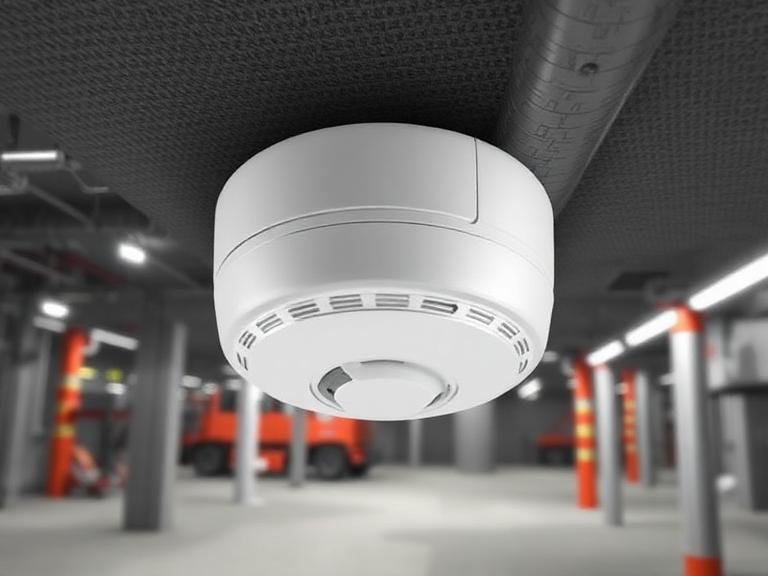
1 Chirp per Minute: This is a maintenance issue (low battery, end of life). Proceed with this guide.
1. Diagnosing the Noise: Why Is It Chirping?
When you are frantically searching for “carbon monoxide detector to stop chirping,” the first step is to identify the root cause. A carbon monoxide detector is designed to fail safe, meaning it will alert you if it can no longer do its job effectively. There are four primary reasons your unit might be making noise:
1. Low Battery Voltage
This is the most common cause. Even hardwired units have backup batteries. When the voltage drops below a certain threshold, the unit will emit a high-pitched chirp roughly once every 30 to 60 seconds. This is often accompanied by an amber or yellow LED flash.
2. End of Life (Expiration)
Carbon monoxide sensors do not last forever. They have a lifespan of 5, 7, or 10 years, depending on the manufacturer (Kidde, First Alert, etc.). When the internal timer hits the expiration date, the unit will begin a unique chirp pattern (often 3 or 5 rapid chirps per minute) to tell you it can no longer detect gas.
3. “Latched” Alarm Memory
Some modern units have a feature that remembers if they detected a small amount of CO while you were away. The unit might chirp or flash a specific color (often red and green) to alert you that an event occurred.
4. Environmental Interference
Cold drafts, high humidity, or dust can trigger false maintenance alerts. If your detector is placed too close to a bathroom (steam) or an air vent (drafts), the sensor may register an error code, causing it to chirp.
2. Step-by-Step: How to Stop the Chirping
Once you have confirmed that the sound is a maintenance chirp (single beep) and not an emergency alarm (4 beeps), follow these steps to resolve the issue.
Step 1: Check the Battery Drawer
Often, the battery drawer is not fully closed. If the contacts are not touching perfectly, the unit will think the battery is missing. Open the compartment and re-seat the battery firmly. Ensure the “tamper resist” lock isn’t preventing the door from closing.
Step 2: Replace the Batteries
If re-seating doesn’t work, replace the batteries entirely. Use fresh, high-quality alkaline or lithium batteries. Note: Rechargeable batteries often have a lower voltage curve and may cause the detector to chirp even when fully charged.
Step 3: Vacuum the Sensor Chamber
Dust, spider webs, and pet dander can clog the sensing chamber. This can cause the unit to throw an error code. Take the unit down and gently vacuum the vents with a soft brush attachment. This simple step resolves a surprising number of error chirps.
Step 4: Perform a Hard Reset
Sometimes the internal processor glitches. To clear the error memory:
- Remove the detector from the wall or ceiling.
- Remove the batteries.
- Press and hold the “Test/Silence” button for 15-20 seconds. This drains any residual power from the capacitor.
- Reinstall fresh batteries and mount the unit. It should chirp once to confirm power and then go silent.
3. Resetting Hardwired vs. Battery Units
Getting a hardwired carbon monoxide detector to stop chirping requires a slightly different approach because you are dealing with mains electricity.
- Locate the Breaker: You may need to flip the circuit breaker labeled “Smoke Alarms” or “General Lighting” to cut power to the unit safely.
- Disconnect the Harness: Twist the detector counter-clockwise to remove it from the mounting plate. Squeeze the plastic tabs on the wire harness to unplug it.
- Remove Backup Battery: Even with the power off, the backup battery will keep it alive. Remove it to fully power down the unit.
- Reset: Hold the test button for 15 seconds. Reconnect the harness, replace the backup battery, and turn the breaker back on.
4. The “End of Life” Warning Code
If you have changed the battery and reset the unit, but it continues to chirp 3-5 times per minute, check the back of the device. Look for a “Date of Manufacture” stamp. If the date is more than 7 years ago, the unit has expired.
Crucial Note: You cannot “fix” an expired sensor. The electrochemical cell inside has degraded and will no longer protect your family. You must purchase a new unit immediately. Do not just unplug it and leave your home unprotected.
5. Industrial Gas Detection Solutions
While residential detectors are simple “pass/fail” devices, industrial environments require far more sophisticated monitoring. In factories, mines, and chemical plants, a simple chirp isn’t enough; precise ppm (parts per million) measurement is required to ensure worker safety.
Sino-Inst: Professional Industrial Gas Detection
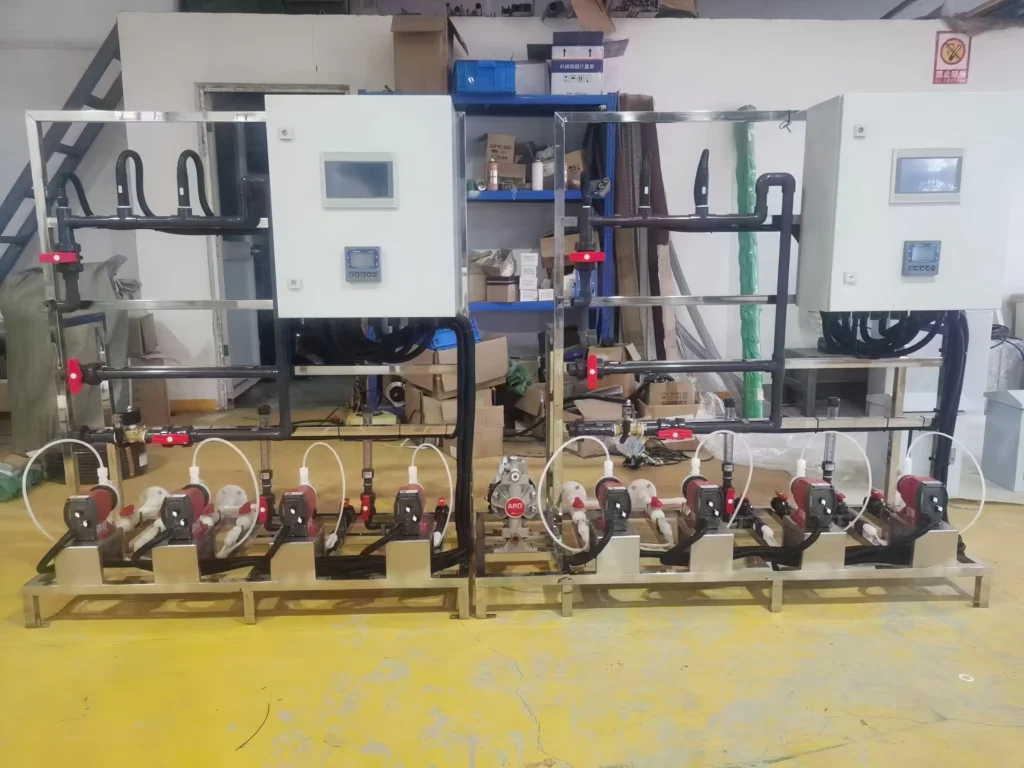
For commercial and industrial applications where reliability is critical, Sino-Inst provides advanced analytical instruments. Unlike standard home units, these devices offer real-time data analysis, rugged durability, and integration into larger safety systems.
Sino-Inst is a professional supplier of industrial process and analytical instruments, including gas detectors, gas analyzers, dust detectors, and mass flow controllers. We help you obtain reliable measurement and analysis solutions while saving procurement costs. Customized products and OEM services are available.
Core Product Range:
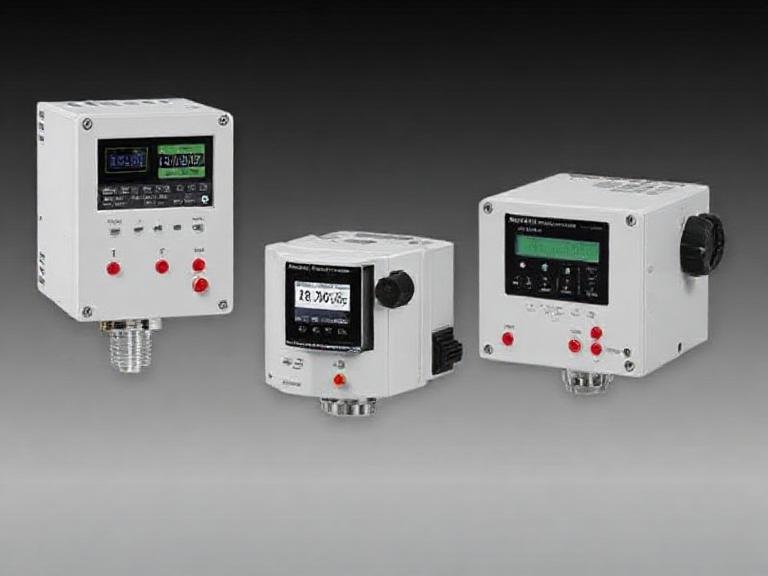
- Fixed Gas Detectors: Permanently mounted units for 24/7 monitoring of hazardous areas.
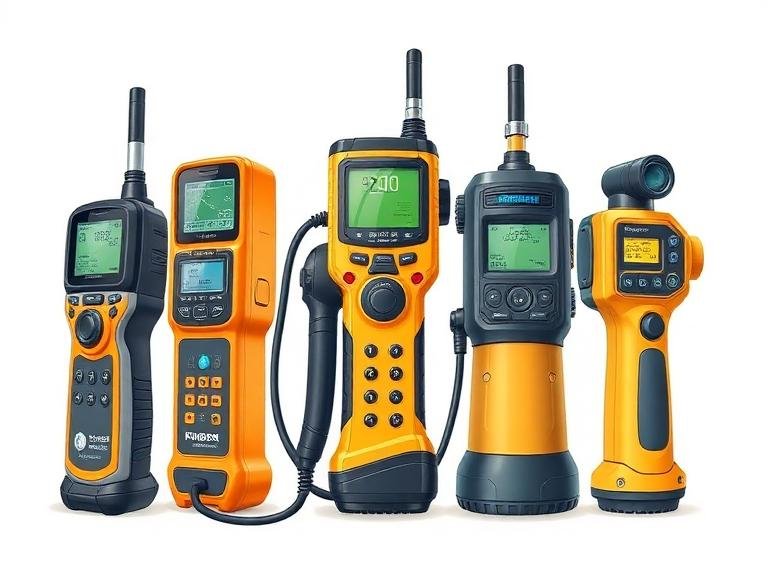
- Portable Gas Detectors: Personal safety devices for technicians entering confined spaces.
- Gas Sensor Modules: OEM components for system integrators.
- Gas Monitoring Systems: Centralized control panels for facility-wide safety.
- Dust Monitors: Essential for air quality compliance in manufacturing.
- Mass Flow Controllers/Meters: Precision control for gas delivery processes.
We will be your most trusted partner! Contact us for customized industrial solutions.
6. Prevention and Maintenance
To avoid the 3 AM wake-up call in the future, follow these maintenance best practices:
- Test Weekly: Hold the test button for 5 seconds every week to ensure the circuitry and siren are functional.
- Vacuum Monthly: Keep the air vents clean to prevent false alarms caused by dust.
- Replace on Schedule: Write the “Replace By” date on the side of the alarm with a permanent marker so you can see it easily without taking the unit down.
- Avoid Humidity: Do not install CO detectors directly inside bathrooms or within 10 feet of a cooking appliance to prevent false triggers.
7. Troubleshooting Summary Table
| Sound Pattern | Likely Cause | Action Required |
|---|---|---|
| 4 Loud Beeps (Continuous) | CO Detected | EVACUATE & Call 911 |
| 1 Chirp / Minute | Low Battery | Replace battery immediately. |
| 3-5 Chirps / Minute | End of Life | Replace entire unit. |
| Continuous Low Hum | Component Failure | Vacuum unit or replace. |
| Erratic Chirping | Drafts / Loose Wire | Check location and wiring harness. |
8. Frequently Asked Questions
Will unplugging the detector stop the chirping?
Only temporarily. If the unit has a backup battery (which most do), it will continue to chirp even if unplugged from the wall. You must remove the battery to silence it completely. However, never leave the unit disabled; replace it immediately.
What does 3 chirps mean?
Three chirps usually indicate a malfunction or an “End of Life” warning, depending on the brand. Consult the user manual or the back of the device for the specific error code key.
Can I just take the battery out to stop the noise?
Yes, removing the battery will stop the noise, but it leaves you vulnerable to carbon monoxide poisoning. Only remove the battery if you are immediately replacing it with a fresh one or installing a new unit.
Why does my detector chirp at night?
Batteries function via a chemical reaction. As temperatures drop at night, the chemical reaction slows down, causing the voltage to dip slightly. If your battery was already borderline low, the nighttime temperature drop is often just enough to trigger the low-battery warning.
- National Fire Protection Association (NFPA) – Carbon Monoxide Safety.
- Consumer Product Safety Commission (CPSC) – CO Alarm Standards.