.png)
The Critical Importance of Atmospheric Testing
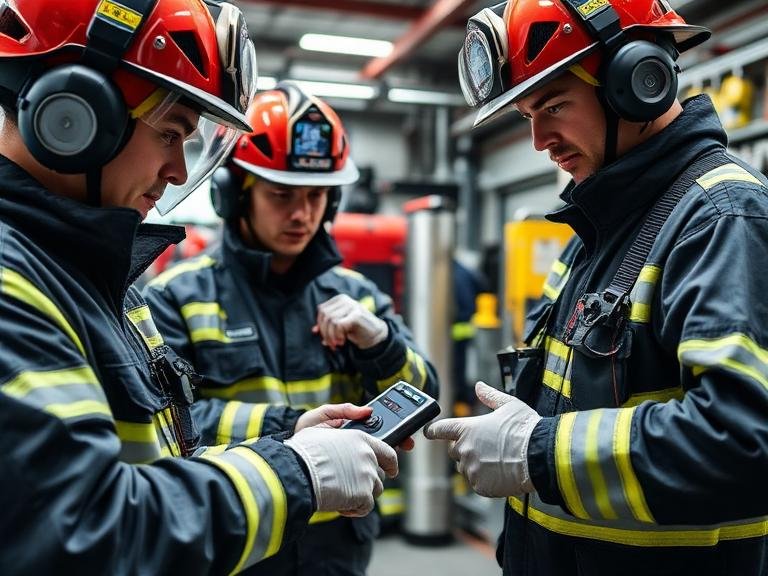
Working in industrial environments often requires entering areas that are not designed for continuous occupancy. These locations, known as confined spaces, pose significant risks due to potential atmospheric hazards. Learning how to check gas level in confined space is not just a regulatory requirement; it is a life-saving skill. In 2026, despite advancements in automation, many accidents still occur due to improper testing or a lack of continuous monitoring.
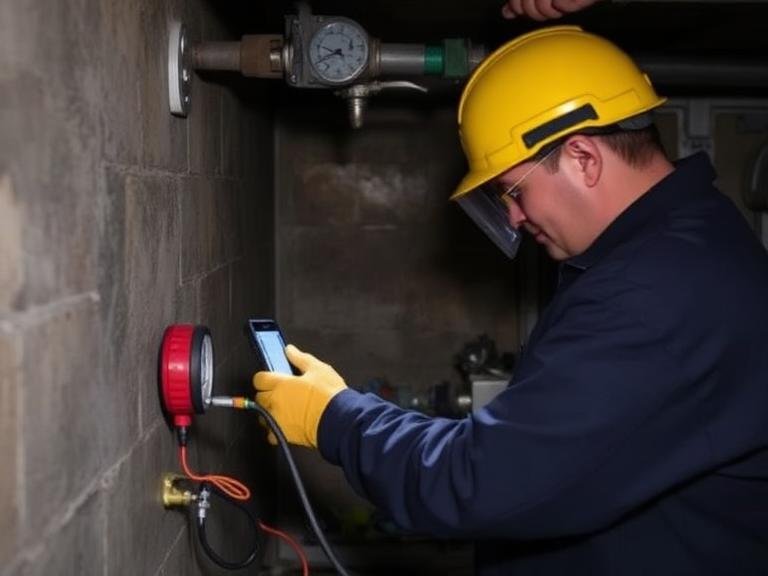
Table of Contents
- The Critical Importance of Atmospheric Testing
- Defining the Hazards of Confined Spaces
- The Mandatory Sequence for Gas Testing
- Step-by-Step Guide: How to Check Gas Level in Confined Space
- Understanding Gas Stratification: Top, Middle, and Bottom
- Sino-Inst: Your Partner in Industrial Gas Detection
- Choosing the Right Equipment: Portable vs. Fixed Detectors
- Bump Testing and Calibration Protocols
- 2026 Innovations: Connected Wearables and Drones
- Regulatory Standards and Safety Permits
- Summary Comparison Table
- Frequently Asked Questions
- References
An invisible danger is the most lethal. Gases like Carbon Monoxide (CO) or Methane (CH4) can displace oxygen or reach explosive concentrations without any sensory warning. Therefore, the process of how to check gas level in confined space must be methodical, utilizing calibrated instruments and following strict safety protocols to ensure that every worker returns home safely.
Defining the Hazards of Confined Spaces
A confined space is typically defined by three characteristics: it is large enough for an employee to enter, has limited or restricted means of entry or exit, and is not designed for continuous employee occupancy. Common examples include storage tanks, silos, underground sewers, pits, and tunnels.
The primary hazard within these spaces is the atmosphere. Oxygen deficiency is the leading cause of death in confined spaces. When oxygen levels drop below 19.5 percent, the brain begins to lose function, leading to impaired judgment, loss of consciousness, and eventually death. Conversely, oxygen enrichment (above 23.5 percent) creates a severe fire hazard. Beyond oxygen, flammable gases and toxic vapors represent the other pillars of atmospheric risk. Knowing how to check gas level in confined space allows a competent person to quantify these risks before entry.
The Mandatory Sequence for Gas Testing
Safety regulations, including OSHA 1910.146, mandate a specific order when performing atmospheric monitoring. This sequence is vital because the presence of certain gases can affect the sensors used to detect others. When you analyze how to check gas level in confined space, you must follow this hierarchy:
1. Oxygen Content
The first priority is always oxygen. Most combustible gas sensors (LEL sensors) require a specific amount of oxygen to function correctly. If the environment is oxygen-deficient, your combustible gas readings might be falsely low, leading to a deadly error. Always ensure oxygen levels are between 19.5 percent and 23.5 percent first.
2. Flammable Gases and Vapors
Once oxygen is verified, the next step in how to check gas level in confined space is to check for combustible gases. This is measured as a percentage of the Lower Explosive Limit (LEL). If the concentration exceeds 10 percent of the LEL, the space is considered hazardous and entry is prohibited until ventilation occurs.
3. Toxic Air Contaminants
Finally, test for toxic gases. The most common are Hydrogen Sulfide (H2S), which often accumulates in sewers and stagnant areas, and Carbon Monoxide (CO), a byproduct of incomplete combustion. Modern multi-gas detectors are typically configured to check for these simultaneously with oxygen and flammability.
Step-by-Step Guide: How to Check Gas Level in Confined Space
Executing the testing procedure correctly requires more than just turning on a device. Follow this comprehensive walkthrough on how to check gas level in confined space:
- Pre-Check Calibration: Before approaching the site, verify that your gas detector is calibrated and has passed a bump test. Ensure the battery life is sufficient for the duration of the work.
- Zero the Instrument: In a known clean-air environment (away from the confined space entry point), zero the sensors to establish a baseline.
- Sample Before Opening: If the space has a sampling port or a small opening, use a pump and tubing to draw a sample before fully opening the manhole or hatch. This prevents the sudden release of a gas pocket.
- Perform Remote Sampling: Use a telescoping probe or a weighted sample hose. For a vertical entry, lower the hose into the space while standing outside.
- Account for Response Time: Do not move the probe too quickly. In the context of how to check gas level in confined space, you must allow 2 to 3 seconds for every foot of tubing plus the sensor response time (usually 30 seconds) at each level.
- Record Results: Document the levels on the entry permit. Readings must be recorded for all levels (top, middle, and bottom).
Understanding Gas Stratification: Top, Middle, and Bottom
One of the most common mistakes when learning how to check gas level in confined space is only testing the air near the entry point. Gases have different densities relative to air, meaning they “layer” or stratify within a space.
Lighter-than-air gases, such as Methane, will accumulate at the top of a vault or tank. Heavier-than-air gases, like Hydrogen Sulfide or Carbon Dioxide, will sink to the bottom. Other gases with a density similar to air, like Carbon Monoxide, may hover in the middle. Therefore, a complete protocol for how to check gas level in confined space must include testing every four feet in the direction of travel to ensure no hazardous pockets are missed.
Sino-Inst: Your Trusted Partner in Gas Detection
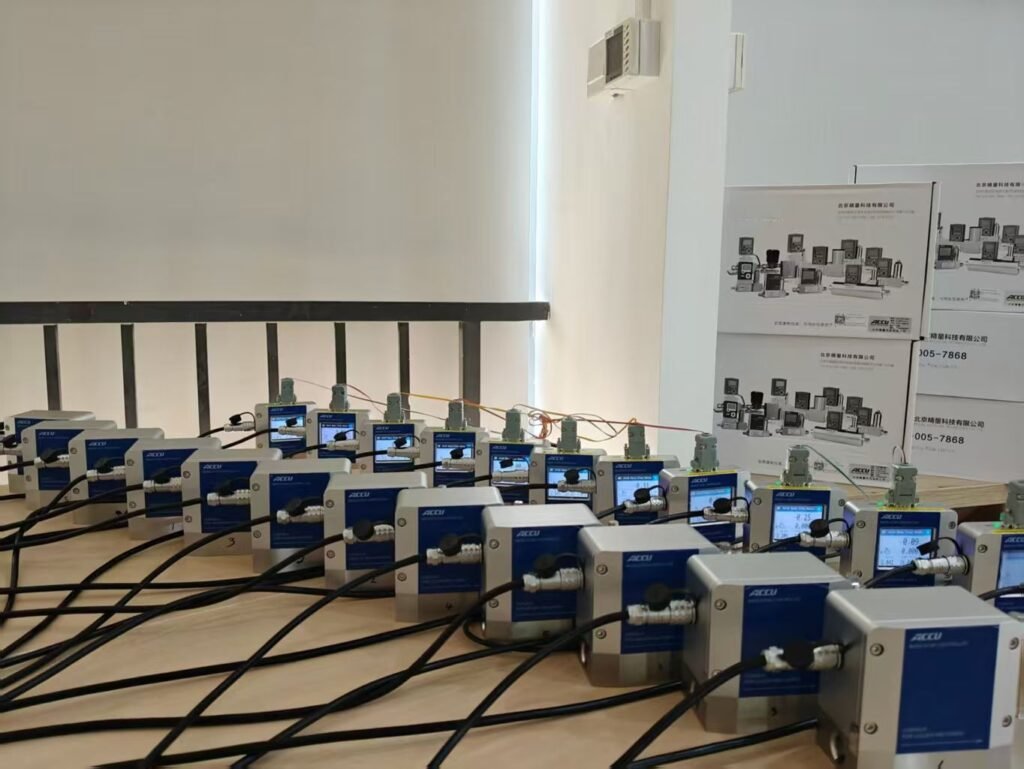
Sino-Inst is a professional supplier of industrial process and analytical instruments, including gas detectors, gas analyzers, dust detectors, mass flow controllers, and dust monitors. We can help you obtain reliable measurement and analysis solutions while saving procurement costs. Customized products and OEM services are available. We will be your most trusted partner!
Our comprehensive product line is designed to help industrial professionals master how to check gas level in confined space with precision and ease:
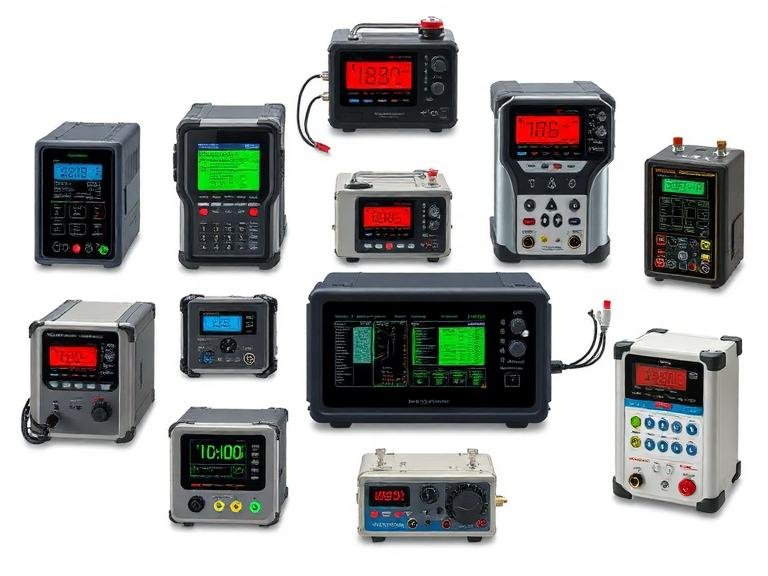
- Portable Gas Detectors: Rugged, multi-gas units perfect for pre-entry testing and personal protection.
- Fixed Gas Detectors: Integrated solutions for continuous monitoring of hazardous areas.
- Gas Sensor Module: High-precision components for specialized analytical needs.
- Gas Monitoring System: Centralized control for site-wide safety.
- Dust Monitors: Essential for detecting combustible dust hazards.
- Mass Flow Controllers/Meters: For precise gas flow management in industrial processes.
Choosing the Right Equipment: Portable vs. Fixed Detectors
When determining how to check gas level in confined space, the choice of equipment is paramount. There are two primary categories of sensors used in these applications.
Portable Gas Detectors
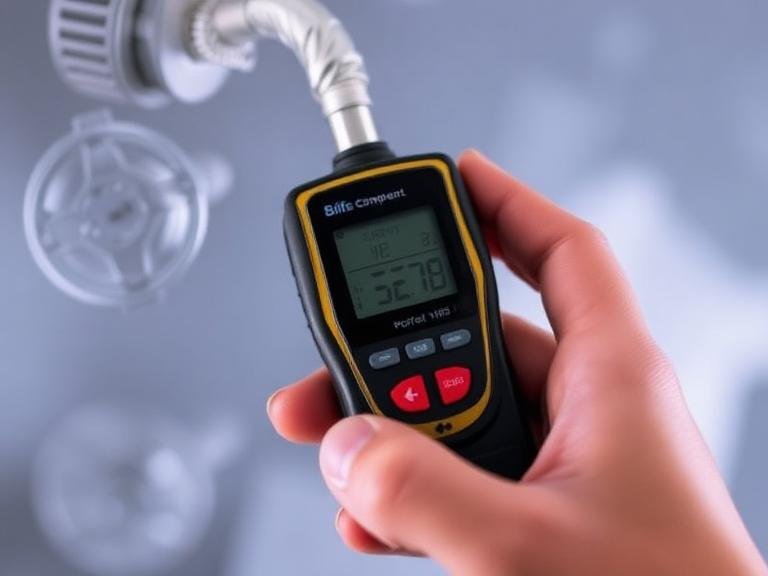
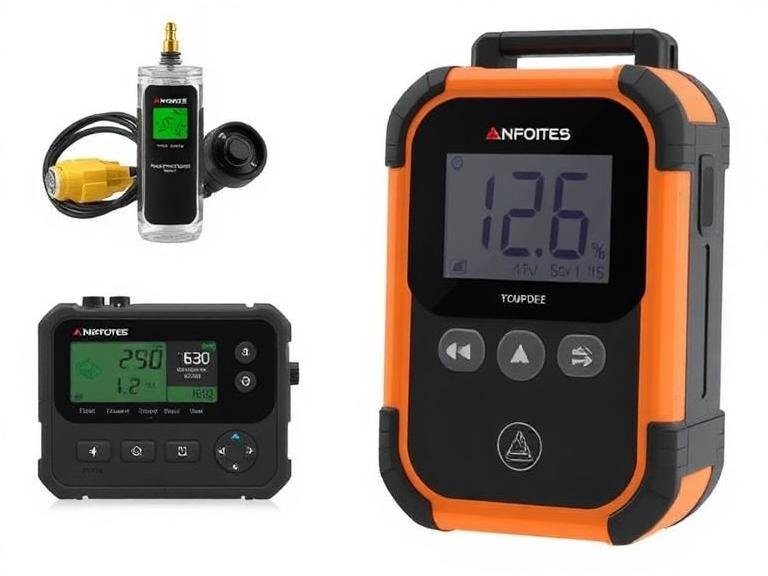
These are the primary tools for confined space entry. A portable multi-gas detector (often called a 4-gas monitor) is clipped to the worker’s clothing or lowered into a space via a pump. In 2026, these devices are more compact and feature long-range wireless connectivity, allowing an outside attendant to see real-time readings from the worker inside the space. This is a critical advancement in the methodology of how to check gas level in confined space.
Fixed Gas Detection Systems
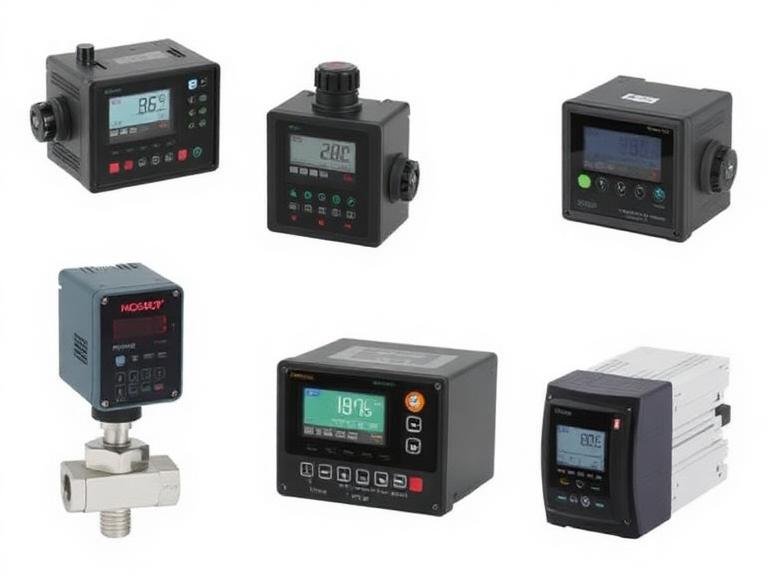
For spaces that are frequently accessed or contain high-value assets, fixed detectors provide 24/7 surveillance. While they do not replace the need for pre-entry testing with a portable unit, they offer an added layer of security by triggering ventilation systems or alarms the moment a leak is detected. When considering how to check gas level in confined space over the long term, fixed systems offer the best ROI for facility safety.
Bump Testing and Calibration Protocols
A gas detector is only useful if it is accurate. To properly execute the process of how to check gas level in confined space, you must understand the difference between a bump test and calibration.
A bump test is a brief exposure of the sensors to a known concentration of gas to verify that the sensors respond and the alarms function. This should be done before every work shift. If the device fails a bump test, a full calibration is required. Calibration involves adjusting the instrument’s internal electronics to match the specific concentrations in a certified calibration gas cylinder. Without regular maintenance, your efforts on how to check gas level in confined space could yield false “safe” readings, which is arguably more dangerous than having no monitor at all.
2026 Innovations: Connected Wearables and Drones
The year 2026 has brought revolutionary changes to how to check gas level in confined space. We are no longer limited to manual probes and handheld devices. Two major technologies are leading the charge:
Gas Detection Drones
For large storage tanks or complex piping networks, drones equipped with miniaturized gas sensors can now fly into spaces to perform the initial “sweep.” This allows the “competent person” to stay entirely outside the hazard zone while the drone maps out gas concentrations. This has transformed the speed and safety of how to check gas level in confined space for the oil and gas industry.
Connected Safety Wearables
New platforms, such as the Blackline G8, combine gas detection with lone-worker protection and cellular connectivity. If a worker collapses due to a gas leak, the device automatically sends a “man-down” alert with GPS coordinates to the safety team. When we look at the evolution of how to check gas level in confined space, the shift toward real-time, cloud-based data is the most significant trend of the decade.
Regulatory Standards and Safety Permits
Effective safety is built on a foundation of documentation. How to check gas level in confined space is a process that must be integrated into your Confined Space Entry Permit (CSEP). The permit acts as a checklist, ensuring that ventilation has been active, PPE is available, and, most importantly, the gas levels have been verified.
OSHA requires that these records be kept for at least one year. In 2026, many companies have transitioned to digital permits that automatically pull data from the gas detector via Bluetooth. This ensures that the record of how to check gas level in confined space is accurate and cannot be falsified, providing a clear audit trail for safety managers and regulatory bodies.
Summary Comparison Table
| Gas Type | Common Sources | Safe Range / Limit | Danger Level |
|---|---|---|---|
| Oxygen (O2) | Displacement by other gases, rusting, rot | 19.5% – 23.5% | Immediate (Asphyxiation) |
| Flammable Gas (LEL) | Methane, Fuel leaks, Solvents | < 10% LEL | Explosion / Fire |
| Hydrogen Sulfide (H2S) | Decomposing organic matter, sewers | < 10 ppm | Lethal toxicity |
| Carbon Monoxide (CO) | Engine exhaust, heaters, fire | < 35 ppm (varies) | Silent Killer (No odor) |
| Carbon Dioxide (CO2) | Fermentation, dry ice, displacement | < 5,000 ppm | High displacement risk |
Frequently Asked Questions
“`
References
- Occupational Safety and Health Administration (OSHA). (2025). Standard 1910.146: Permit-required confined spaces.
- National Institute for Occupational Safety and Health (NIOSH). Guide to Atmospheric Testing in Industrial Environments.