.png)
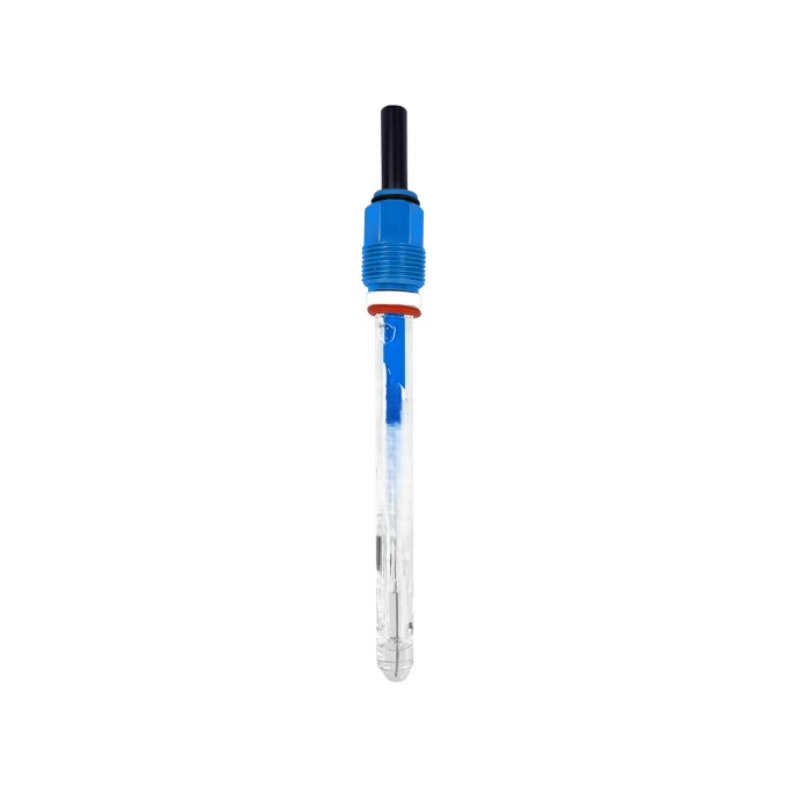
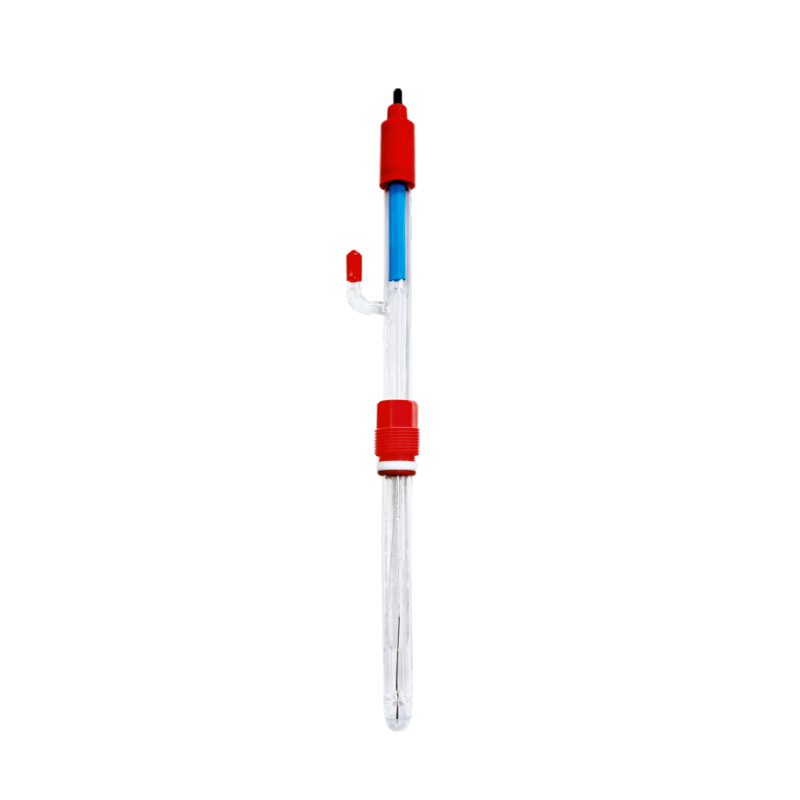
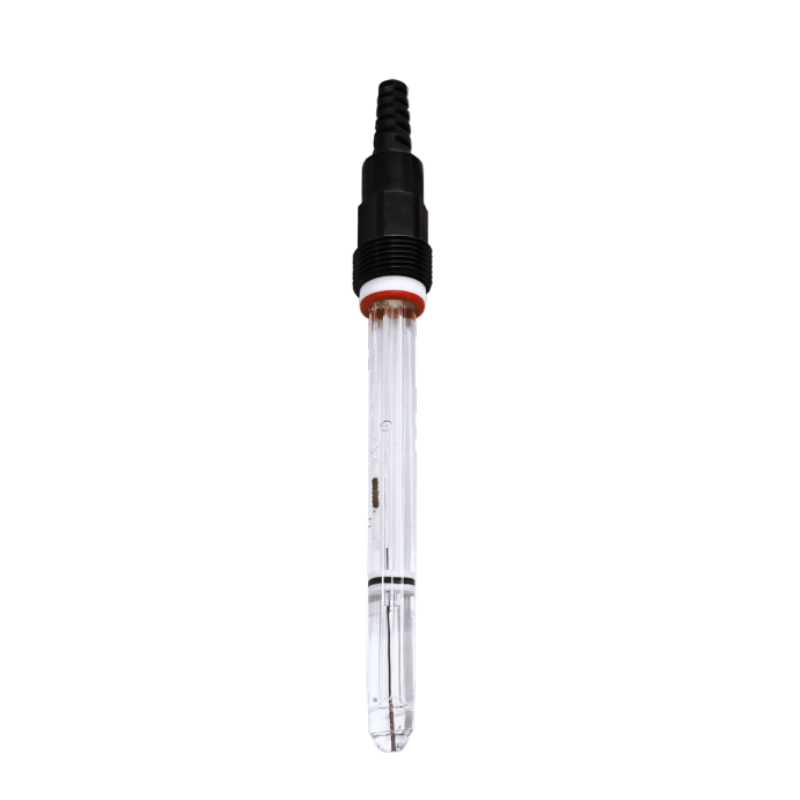
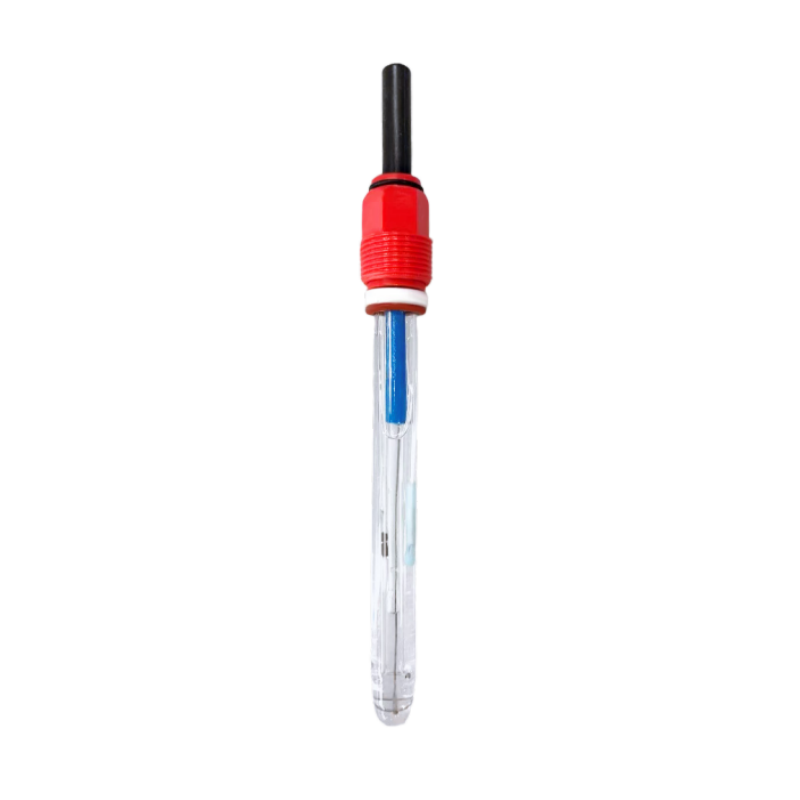
GRT1320A pH electrode is a “versatile anti manufacturing product” for high temperature, strong acid, and sterilization! Regular electrodes can’t be utilized in biotechnology, medicines, or beer brewing when disinfecting at high temperatures, using strong acids, or boiling. Using them interchangeably is difficult due to their inability to withstand heat of 130 ℃ for sterilizing or heavy acid damage.Due to its “three double core design” with two electrolytes, two liquids, and two surfaces, it can tolerate temperature, pressure, and acid and work with varying lengths and sheaths. Trade foreign electrodes and meet biology, drug, food, and drink needs. It also maintains pH values under severe situations.
★★★★★
Features
Specifications
| Parameter | Value |
|---|---|
| pH Range | 0-14 |
| Theoretical percentage slope | ≥ 95 |
| Zero potential | 7±0.5 |
| Temperature Range | 0-135℃ |
| Pressure Range | 0—0.3 |
Key Advantages
- High temperature resistance and strong sterilization: stable measurement from 0-95 ℃, can directly withstand disinfection and sterilization at 130 ℃, and its performance does not deteriorate in strong acid and high temperature environments
- Dual structure anti blocking and anti-corrosion: ceramic core+polytetrafluoroethylene double liquid interface, matched with high temperature resistant gel+solid double electrolyte, anti blocking and anti pollution, suitable for strong acid media
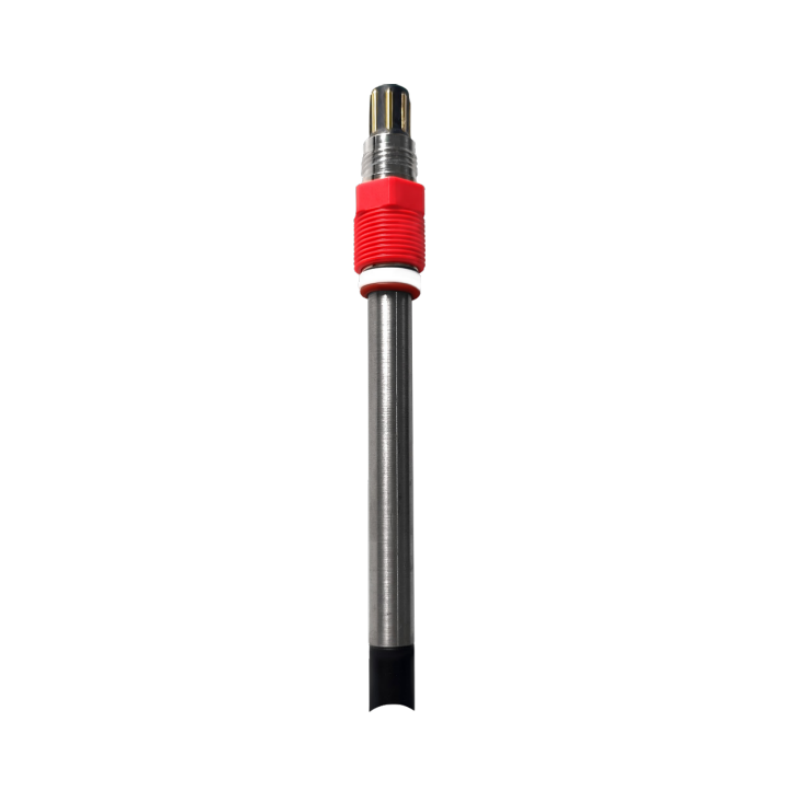
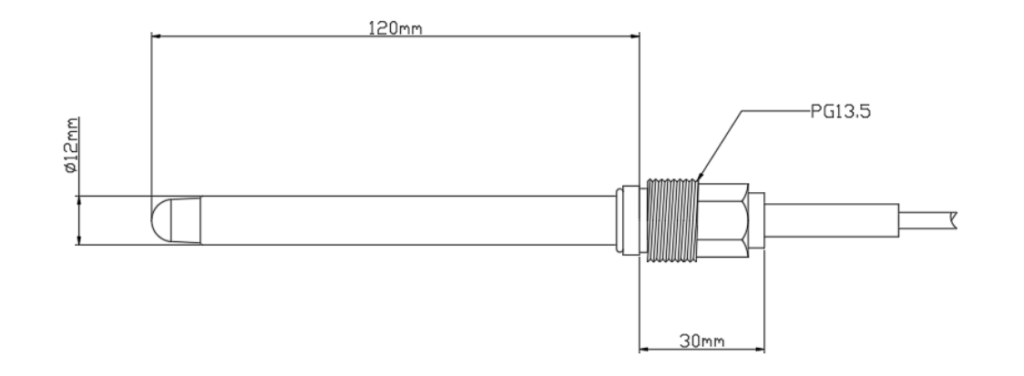
- Multi dimensional flexible adaptation: 120/150/200/250/300mm with multiple length options, 316L stainless steel/PVC double sheath, suitable for different installation depths and medium characteristics
- Maintenance free and worry free: No need to replenish electrolytes, minimal maintenance required, and can be restored by cleaning with dilute hydrochloric acid after contamination, reducing operation and maintenance costs
- Fast response and high precision: New high-temperature resistant glass sensitive film, zero potential stability (7 ± 0.5mV), theoretical percentage slope ≥ 95%, accurate data without drift
Where Can You Use It?
- Strong acid and high temperature special scenario: pH monitoring of strong acid media in chemical, metallurgical and other industries, resistant to high temperature and strong corrosion, and measurement is not ineffective;
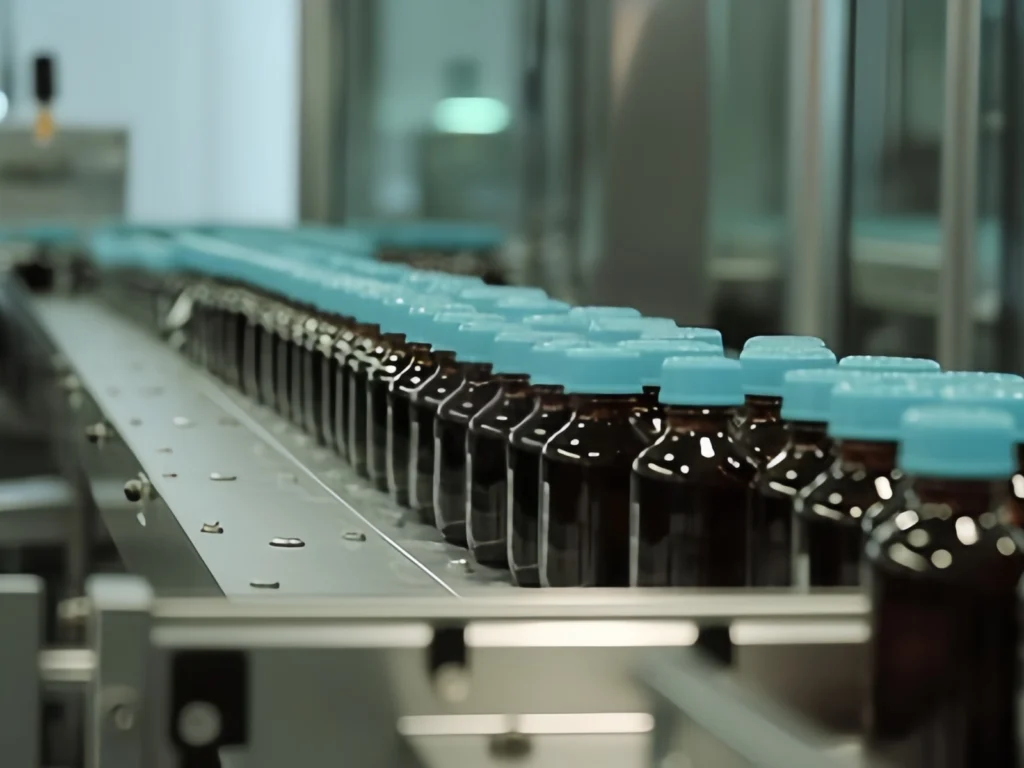
- Pharmaceutical industry: production of antibiotics, vitamins, citric acid and other drugs, adapted to sterilization processes and strong acid reaction scenarios to ensure drug quality;
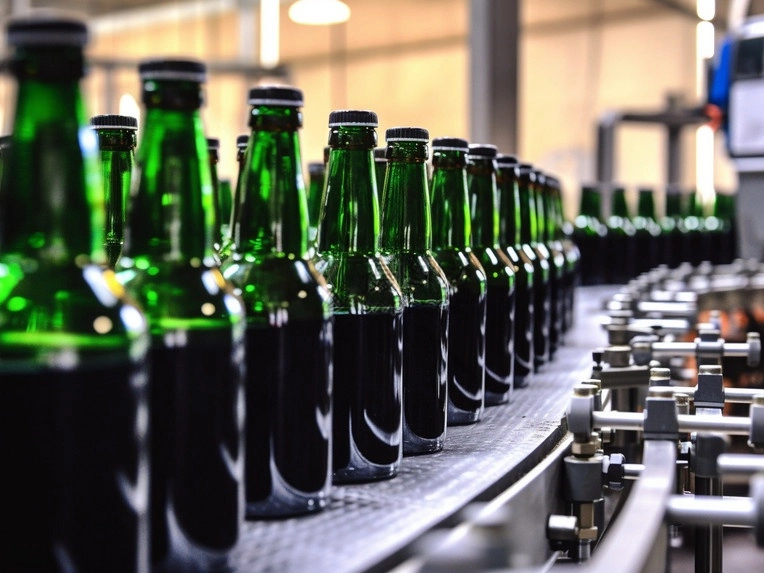
- Beer brewing: the entire process of saccharification, boiling, fermentation, filling, etc., including pH measurement of cold wort, pre/post filtration liquid, deoxygenated water and other media, matched with high-temperature brewing technology;
- ood and beverage: production of monosodium glutamate, soy sauce, dairy products, fruit juice, yeast, sugar, drinking water, etc., adapted to high temperature sterilization and various medium characteristics, in compliance with food hygiene standards;
How to Use & Maintain It
- Daily cleaning: rinse the sensors with pure water before and after sterilization or during measurement breaks.Then, use filter paper to soak up any extra water and make sure that no media is left behind. If there is anything that isn’t glass on the glass film, put it in weak hydrochloric acid and rinse it off. Don’t use rough things to scratch it.
- Idle storage: After washing, put on a protective cover containing 3.3Mol/L KCL solution and place it in a dry and ventilated place. Dry storage is strictly prohibited from causing the sensitive film to fail;
- Regular calibration: It is recommended to calibrate once a week. For strong acid and high temperature conditions or frequent sterilization scenarios, the calibration can be shortened to once every 3-4 days to ensure measurement accuracy;
- Reminder for avoiding pitfalls: Avoid long-term immersion in distilled water, protein solutions, or acidic chloride solutions, and stay away from organic silicone oils and fats; Avoid direct contact of electrodes with high-temperature heat sources during sterilization to prevent local overheating and damage.
Sensor diagram illustration
- After opening the packaging, check whether there is mechanical damage to the sensitive bulb and sensor body of the sensor.
- Remove the sensor protective cover and check if there are any bubbles in the sensitive bulb of the sensor. If so, gently shake the electrode in a vertical plane to remove the bubbles;
- Select the corresponding sensor sleeve or cable head for installation according to different sensors;
- The connection between the sensor wire and the sensor is not waterproof, please make sure to do a good job of waterproofing.
Wire stripping instructions
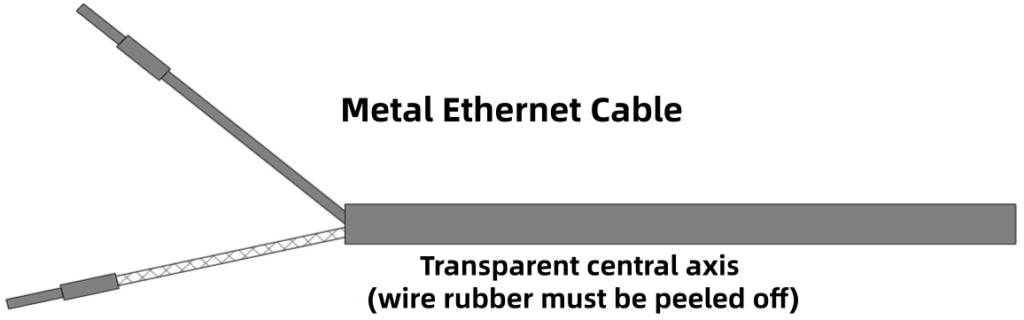
Attention
- The outer layer of the transparent central axis is covered with a conductive rubber layer and a metal mesh layer. When stripping, first strip the metal mesh layer into the metal mesh as shown in the picture, and be sure to removal of conductive black skin on the transparent central axis;
- The cable extends to the host without any contact points except for a dedicated junction box.
Technical Support
5 Best carbon monoxide detector for garage
10 Best carbon monoxide monitor for industrial use 2025
7+ Best Recommended Carbon Monoxide Detector for Industrial Use
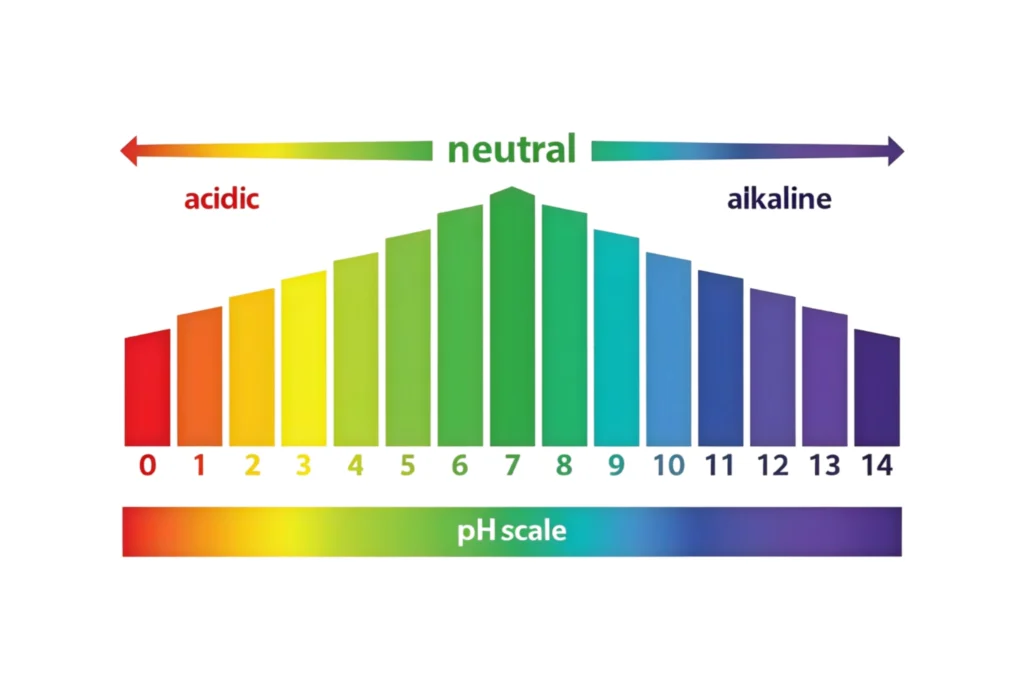
What Is pH in Water? A Complete Guide to Understanding (2026)
6 Types of Industrial Oxygen Sensors
6 Best Industrial Gas Detector Manufacturers in the World
The GRT1320A pH electrode can detect pH in tough situations since it can handle high temperatures, strong acids, and is maintenance-free. It can change and give correct results for anything from sterilizing in biotechnology to strong acid reactions in pharmaceuticals, high-temperature beer brewing to strong acid monitoring in chemicals. The dual interfaces, varied lengths, and dual sheaths make it easy to accommodate different installation needs and get around the exorbitant cost of replacing imported electrodes.
Consultation now offers exclusive selection solutions, high-temperature and strong acid scenario usage suggestions, and one-on-one professional help, reducing failure and adaption concerns in extreme environment pH measuring and enhancing manufacturing processes and quality control!
Request a Quote