.png)
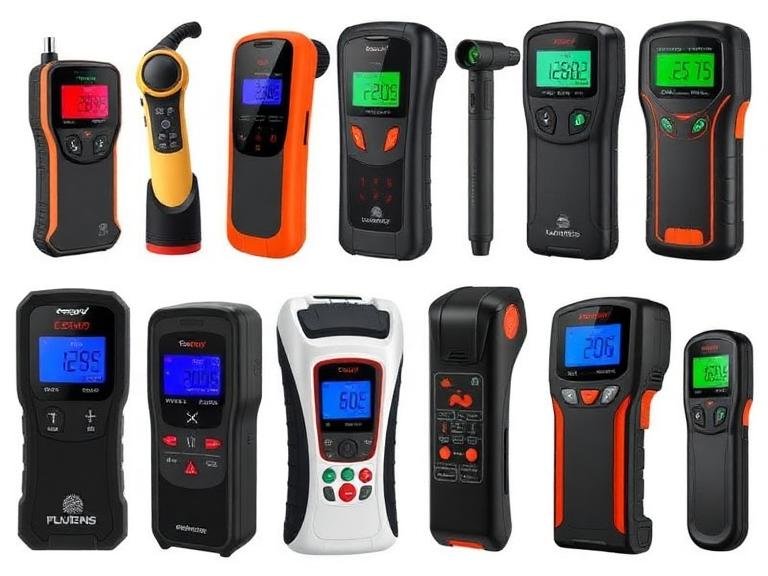
In the ever-evolving industrial landscape of 2026, air quality and safety monitoring have reached new heights of precision. Whether you are an HVAC technician checking a residential furnace or a safety manager overseeing a chemical processing plant, the best handheld gas leak detectors are now smarter, faster, and more connected than ever before.
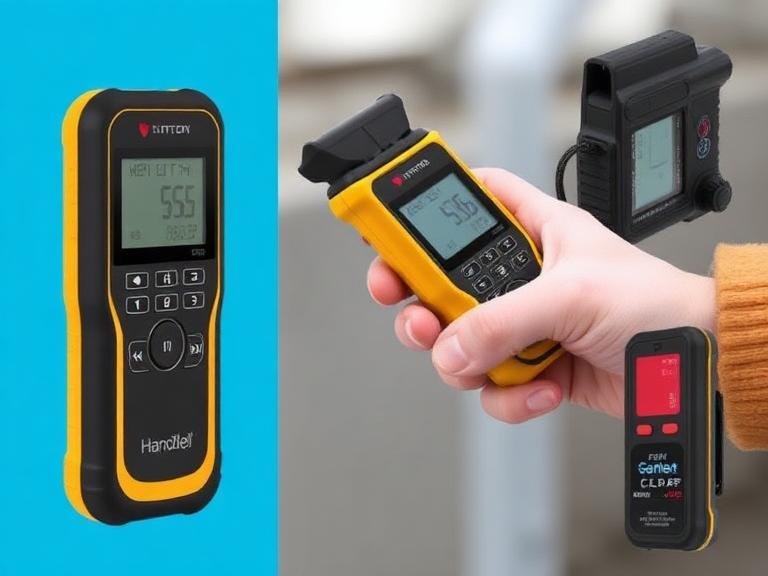
Modern detection technology has moved beyond simple “sniffers” to integrated safety platforms that combine high-definition displays, multi-sensor arrays, and real-time cloud connectivity. This guide identifies the top performers in the market, focusing on durability, accuracy, and ease of use.
Guide Navigation: 2026 Gas Detection Excellence
- 1. The State of Gas Detection in 2026
- 2. Sino-Inst Handheld Multi Gas Detector-Wireless
- 3. Sino-Inst Movable Multi Gas Monitor with Pump
- 4. Klein Tools ET120: The Professional HVAC Standard
- 5. MSA ALTAIR 4XR: The Rugged Industrial Choice
- 6. Inficon D-TEK Stratus: Cloud-Connected Precision
- 7. TopTes PT199: Best Budget Home Sniffer
- 8. Honeywell BW Ultra: Confined Space Specialist
- 9. Forensics Detectors FD: High-Sensitivity Methane Focus
- 10. Summary Comparison Table
- 11. Comprehensive Buying Guide
- 12. Frequently Asked Questions (FAQs)
- 13. References and Regulatory Standards
1. The State of Gas Detection in 2026
In 2026, the best handheld gas leak detectors have transitioned from being isolated tools to part of a broader Internet of Things (IoT) ecosystem. Today’s high-end models utilize dual-sensor redundancy and cross-gas interference filtration, ensuring that a technician in a brewery doesn’t get a false methane alarm from high CO2 levels. Wireless data transmission via 5G and LORA is now standard in industrial models, allowing safety officers to monitor the real-time exposure levels of their entire team from a centralized dashboard.
Furthermore, the focus has shifted toward sustainability. Many detectors now feature sensors with a 5 to 10-year lifespan, significantly reducing electronic waste and the total cost of ownership. For professionals, the ability to generate an instant compliance report on a mobile device has become a mandatory feature for auditing and safety protocols.
1. Sino-Inst Handheld Multi Gas Detector-Wireless
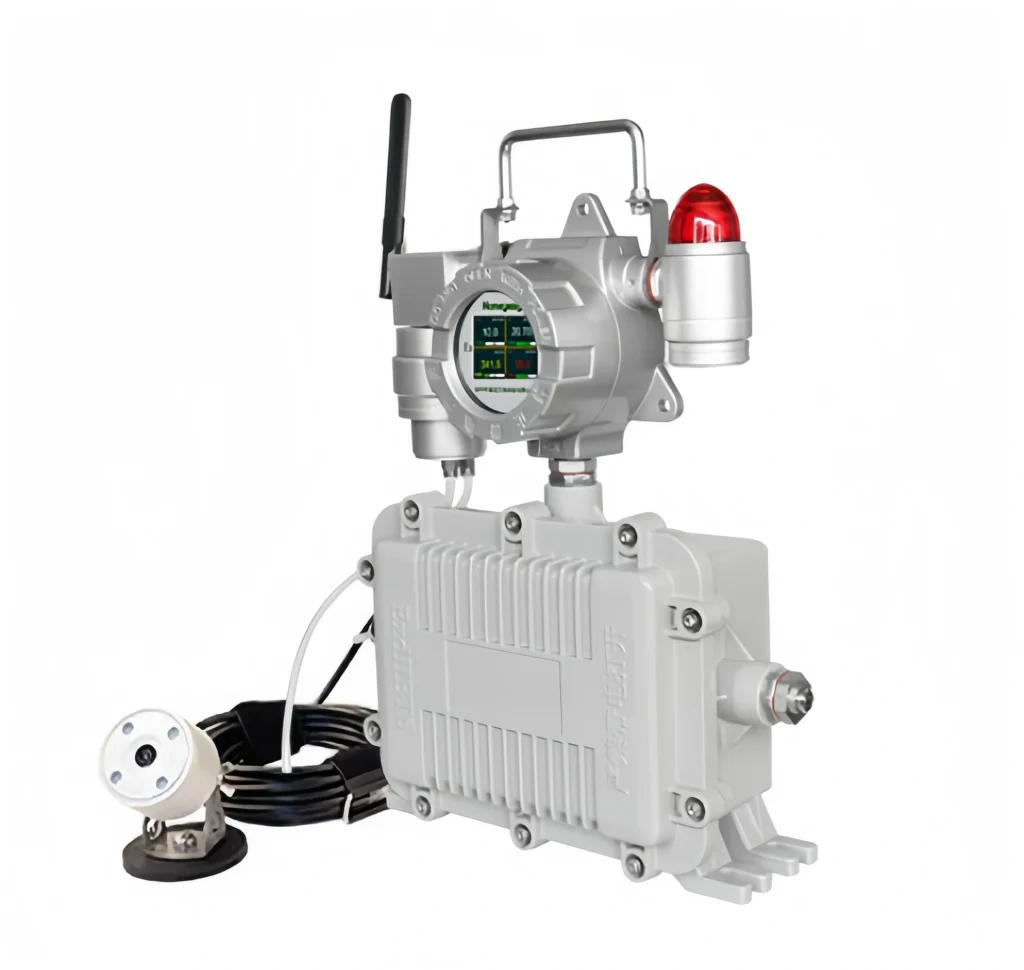
Sino-Inst has introduced a game-changer with its Handheld Multi Gas Detector. This device is designed for the modern industrialist who needs versatility and remote monitoring. With its 2.5-inch high-definition color screen and explosion-proof shell, it thrives in the most corrosive acid-alkali environments.
Key Features:
- Detection of multiple gas concentrations in pipelines, confined spaces, and atmospheric environments.
- Sturdy Exd II CT6 explosion-proof shell with a 10-year wear-resistant paint warranty.
- Plug-and-play intelligent sensors (VOC, toxic, catalytic combustion, infrared).
- Wireless signal support: GPRS, 4G, WIFI, LORA, ZigBee.
| Parameter | Specification |
|---|---|
| Measuring Gases | Combustible, O2, CO, H2S, and more |
| Combustible Range | 0-100% LEL |
| Oxygen Range | 0-30% VOL |
| Sampling Accuracy | ±2% F.S |
| Protection Level | IP66 Waterproof and Splash Proof |
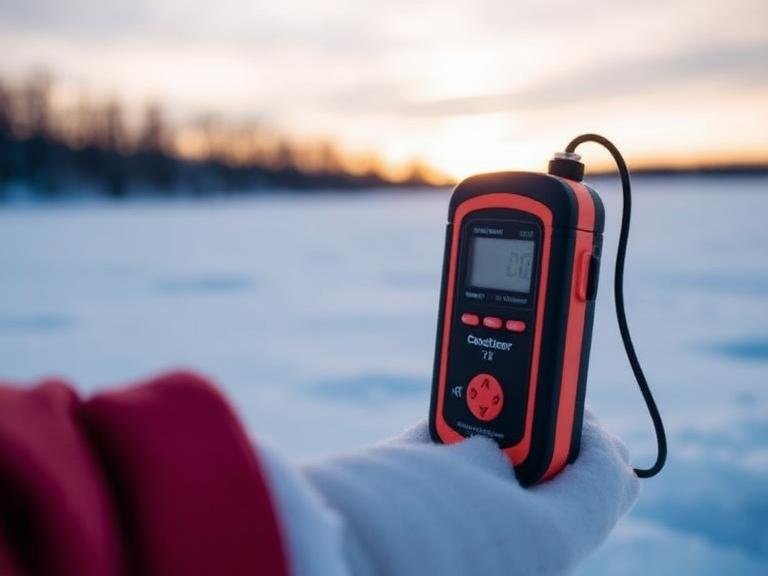
| Working Temp | -30 to 50 Celsius |
This is arguably the best handheld gas leak detectors option for remote facilities where data must be transmitted instantly to a security center or a mobile phone.
2. Sino-Inst Movable Multi Gas Monitor with Pump
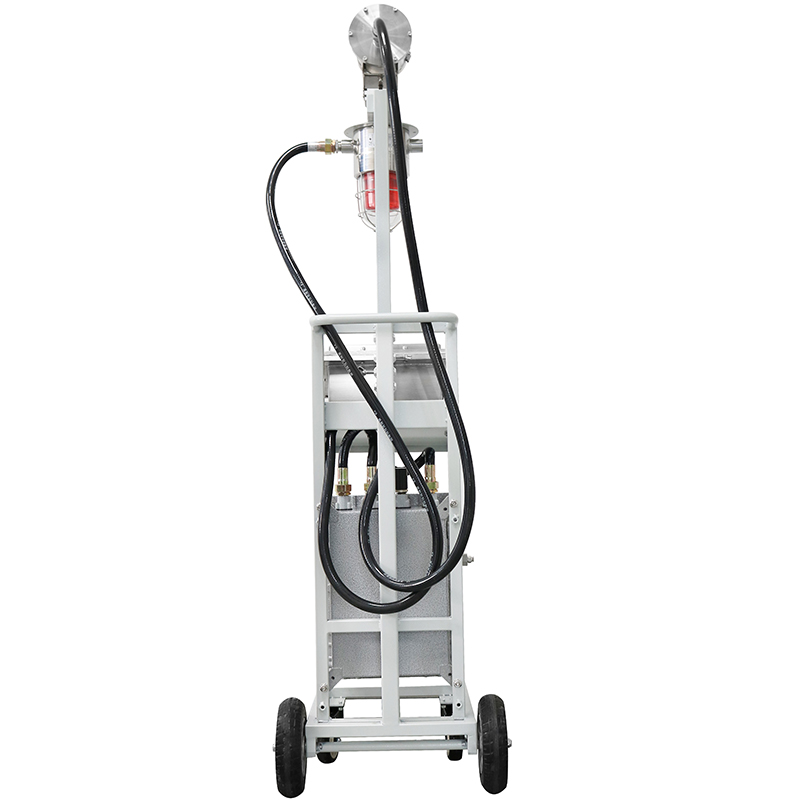
When temporary maintenance operations require heavy-duty surveillance, the Movable Multi Gas Monitor with Pump provides a unique hybrid solution. It bridges the gap between a personal wearable and a fixed area monitor, featuring an integrated explosion-proof camera for full network video surveillance.
Key Features:
- High-definition explosion-proof camera for 4G remote viewing via mobile and PC.
- Gas safety intelligent management platform integration for real-time video/data uploading.
- Long battery life with 80 hours of uninterrupted detection.
- Movable trolley-style installation for rapid deployment in hazardous zones.
| Parameter | Specification |
|---|---|
| Detection Principle | PID, Electrochemical, NDIR, Catalytic |
| Response Time | T90 < 10S |
| Operating Pressure | 86kpa – 106kpa |
| Battery Life | Standard 80 hours |
| Shell Material | Die-cast aluminum with Teflon paint |
| Explosion-Proof | ExdIIBT4Gb |
This unit is perfect for large-scale industrial inspections where video documentation of the leak source is as important as the concentration reading itself.
3. Klein Tools ET120: The Professional HVAC Standard
The Klein Tools ET120 remains a staple in the toolkit of HVAC professionals. Known for its 18-inch flexible gooseneck, it allows users to reach deep into furnace cabinets and behind water heaters where rigid detectors cannot go. It detects methane, propane, and other combustible gases at concentrations as low as 50 ppm. The ET120’s simplicity and ruggedized body make it a reliable partner for daily residential inspections.
4. MSA ALTAIR 4XR: The Rugged Industrial Choice
The ALTAIR 4XR is widely considered one of the toughest detectors on the market. It is backed by a 4-year warranty and is famous for surviving a 25-foot drop. In 2026, it features enhanced XCell sensors that respond 2X faster than the industry average. Its Man-Down alarm and “InstantAlert” feature provide a critical safety net for lone workers in refineries and wastewater treatment plants.
5. Inficon D-TEK Stratus: Cloud-Connected Precision
Inficon’s D-TEK Stratus combines the best of a leak detector and a portable monitor. It features a large, easy-to-read LCD that displays the actual PPM concentration of the leak. By 2026, the Stratus has fully integrated cloud logging, allowing technicians to pinpoint the location of a leak on a digital site map and upload the data to their company’s maintenance management system immediately.
6. TopTes PT199: Best Budget Home Sniffer
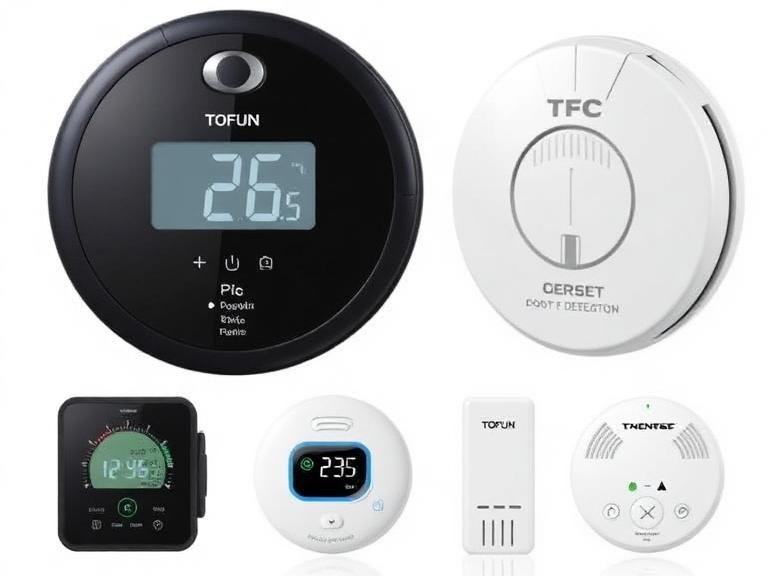
For the DIY enthusiast or the small-scale landlord, the TopTes PT199 offers incredible value. It is a compact, handheld sniffer that provides both audible and visual alarms. While it lacks the high-end wireless data logging of industrial units, its high-precision sensor is surprisingly accurate at finding small leaks in gas lines and kitchen appliances. It is the go-to choice for those who want a reliable best handheld gas leak detectors experience without a four-figure price tag.
7. Honeywell BW Ultra: Confined Space Specialist
The BW Ultra is a five-gas detector specifically engineered for sampling in confined spaces. It fits perfectly in the hand and features an internal pump that can pull samples through up to 75 feet of tubing. Its 1-series sensors provide fast response and long life even in extreme environments. It is the gold standard for workers entering tanks, sewers, or underground vaults.
8. Forensics Detectors FD: High-Sensitivity Methane Focus
Forensics Detectors has carved out a niche by offering high-sensitivity Japanese sensors. The FD model is specifically calibrated for methane and is an excellent tool for environmental engineers conducting emissions surveys. It offers a clear digital readout and a rugged design that feels comfortable during long hours of field use.
10. Summary Comparison Table
| Model | Gases Detected | Best For | Key Feature |
|---|---|---|---|
| Sino-Inst Wireless | Multi (4-6 Gases) | Remote Industrial | 4G/LORA/WIFI Data |
| Sino-Inst Movable | Multi + Video | Temporary Sites | Explosion-Proof Camera |
| Klein ET120 | Combustible | HVAC/Residential | 18-inch Gooseneck |
| MSA ALTAIR 4XR | O2, LEL, CO, H2S | Extreme Environments | Military Grade Durability |
| Inficon D-TEK | Multi-Gas Sniffer | PPM Measurement | Concentration Display |
| TopTes PT199 | Combustible | Home/DIY | Compact & Low Cost |
11. Comprehensive Buying Guide
When selecting the best handheld gas leak detectors for your specific needs, consider the following technical pillars:
Sensor Type and Technology
Detection technology varies significantly. Catalytic bead sensors are excellent for combustible gases but can be poisoned by silicones. Infrared (NDIR) sensors are immune to poisoning and last longer but are typically more expensive. Photoionization Detectors (PID) are essential if you are searching for Volatile Organic Compounds (VOCs) that other sensors might miss.
Connectivity and Data Logging
In 2026, data is king. If your role requires safety auditing, look for a detector with Bluetooth or 4G connectivity. This allows for automated bump test records and instantaneous alarm notifications to off-site managers. Units like the Sino-Inst series excel here by offering multiple wireless protocols.
Sampling Method: Pump vs. Diffusion
Diffusion detectors rely on gas reaching the sensor naturally; these are best for personal protection on a belt clip. Pumped detectors, such as the Sino-Inst Movable Multi Gas Monitor, actively pull air from the environment. A pump is mandatory for checking confined spaces or reaching into deep crevices before entry.
12. Frequently Asked Questions (FAQs)
What is the difference between an LEL detector and a PPM detector?
LEL (Lower Explosive Limit) measures the concentration of a gas as a percentage of the minimum amount needed to cause an explosion. PPM (Parts Per Million) measures much smaller concentrations. Usually, sniffer tools use PPM to find the exact leak source, while safety monitors use %LEL to warn of immediate danger.
How often do handheld gas detectors need calibration?
Most manufacturers recommend a full calibration every 6 to 12 months. However, a “bump test” (briefly exposing the sensor to gas to verify it responds) should be performed before every day of use to ensure worker safety.
Can one detector find every type of gas leak?
No. Sensors are specialized. A combustible gas detector will not find an oxygen deficiency or a toxic gas like Carbon Monoxide unless it is a multi-gas monitor with specific sensors installed for those hazards.
Is the Sino-Inst detector waterproof?
The Sino-Inst Handheld Wireless model features an IP66 rating, meaning it is protected against heavy seas or powerful jets of water, making it suitable for outdoor industrial use in the rain.