.png)
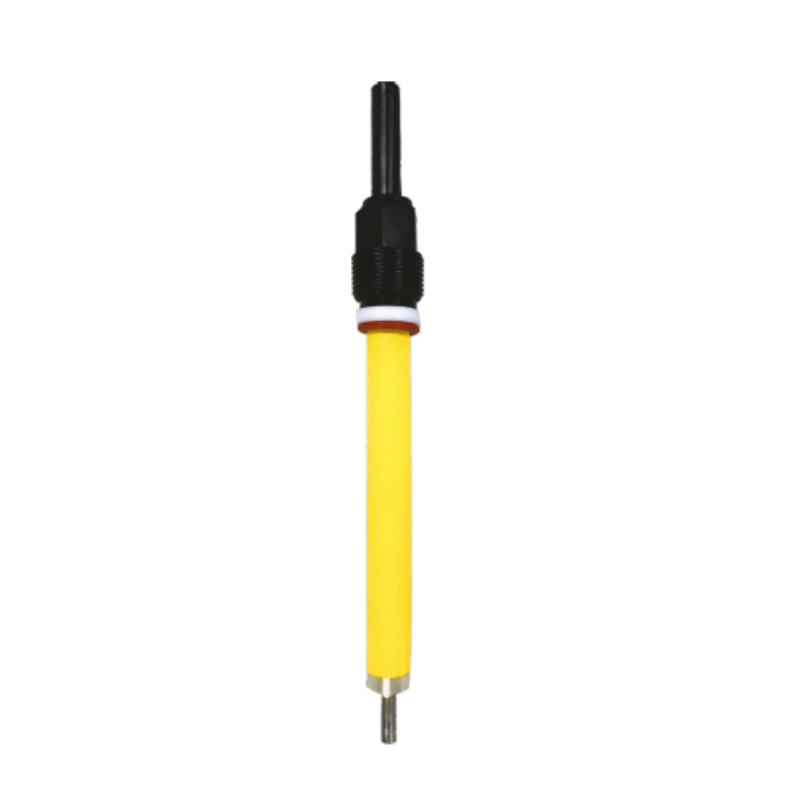
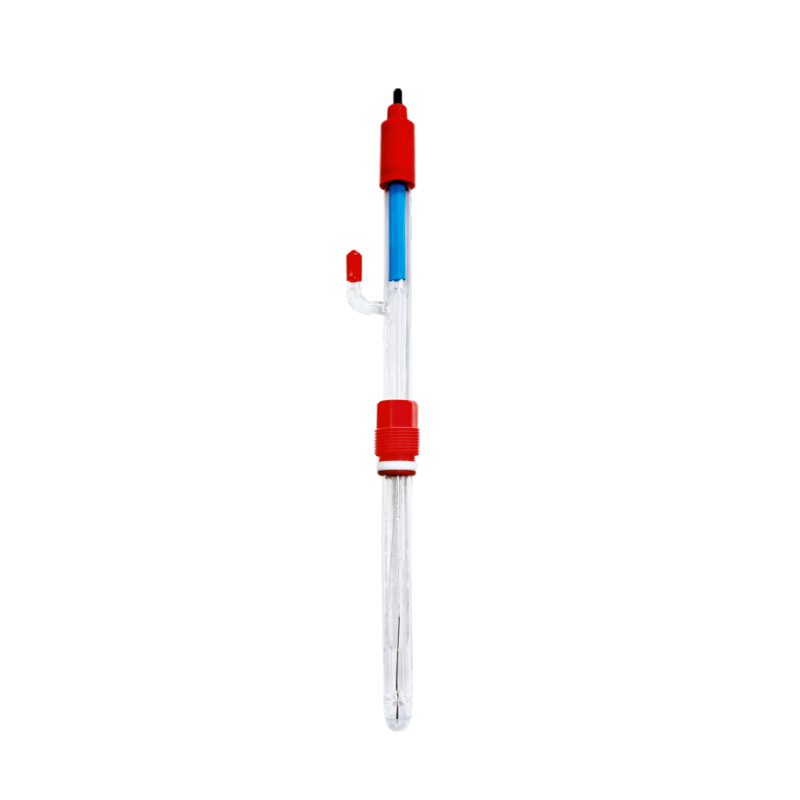
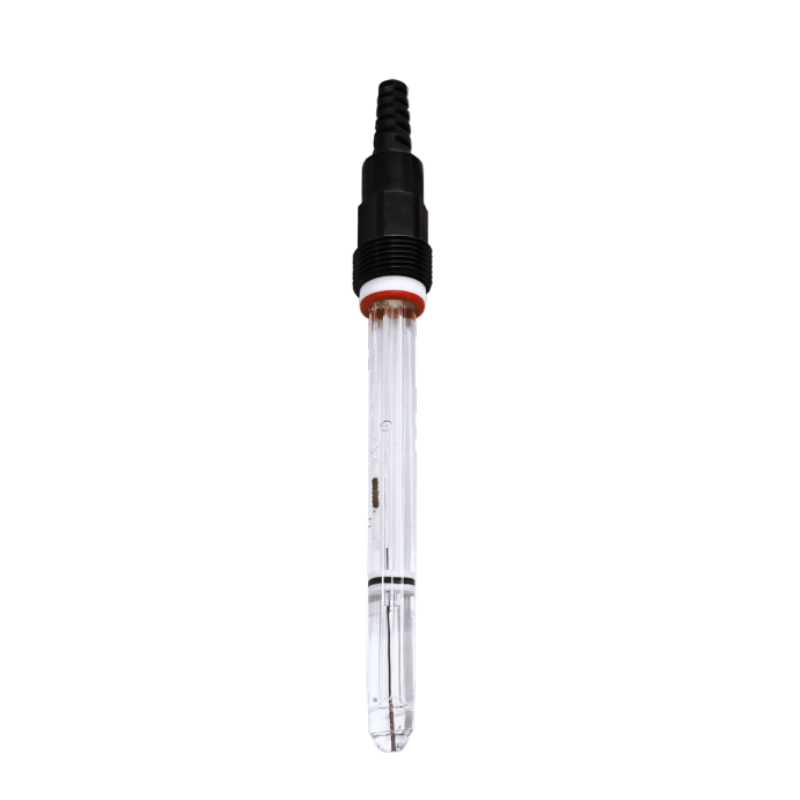
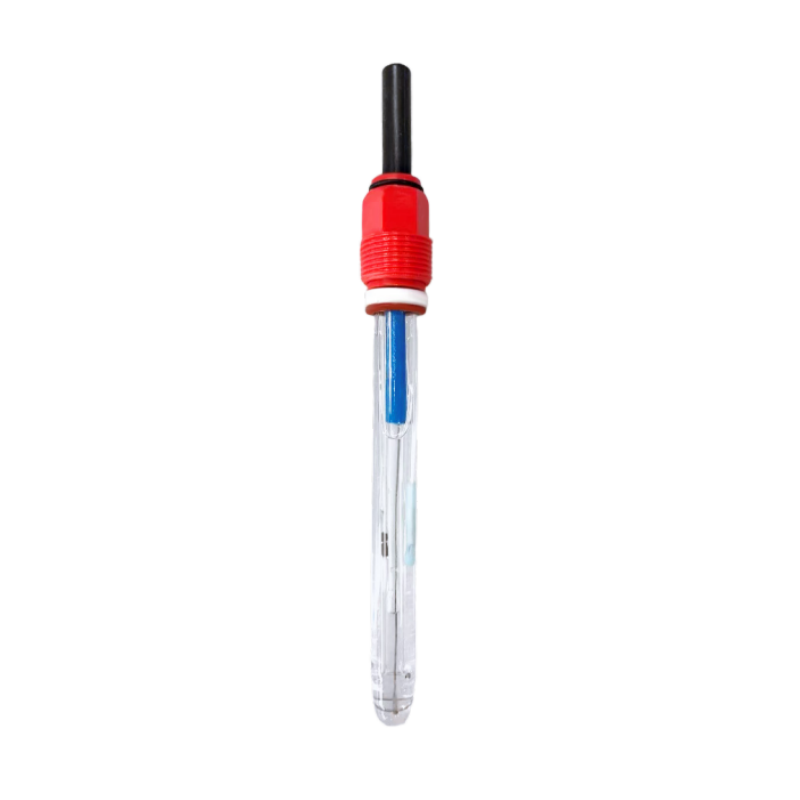
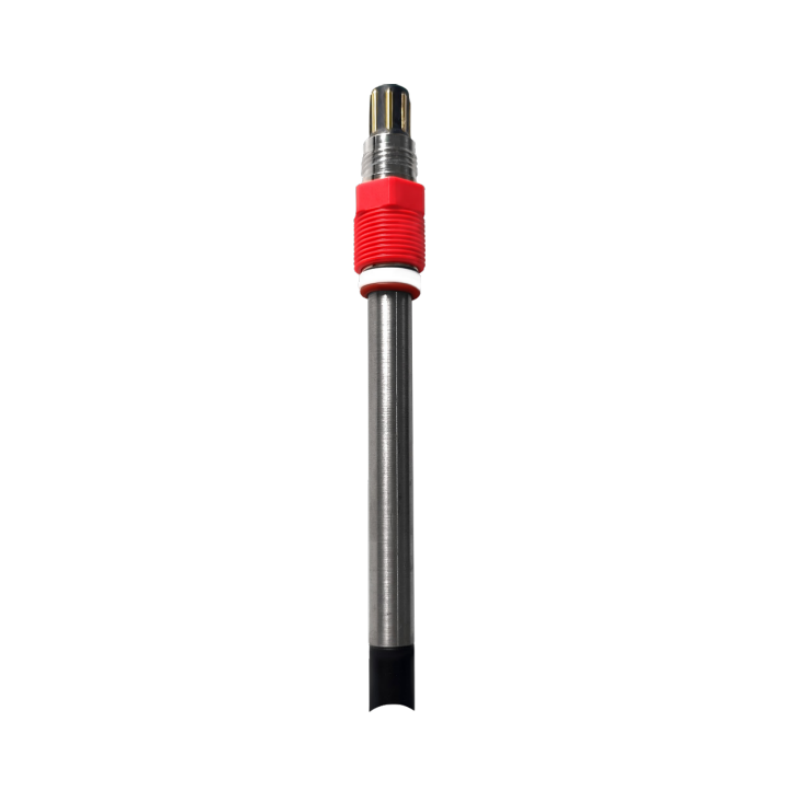
The GRT1110T pH antimony electrode is designed specifically for solutions containing hydrofluoric acid, solving the headache of measuring the pH value of solutions containing hydrofluoric acid. Ordinary glass electrodes are corroded when they come into contact with hydrofluoric acid and need to be replaced frequently; Require electrodes to be sturdy and durable, while also avoiding issues such as failure in complex media. Naturally resistant to hydrofluoric acid corrosion, and the electrode body is sturdy and durable, perfectly adapting to the pH measurement needs of such special working conditions, solving the pain point of ordinary electrodes being unable to withstand.
★★★★★
Specifications
| Parameter | Value |
|---|---|
| Electrode type | pH antimony electrode (sensitive to pH) |
| Core adaptation medium | Hydrofluoric acid containing solution |
| Installation interface | PG13.5 thread |
| Protection requirements | Additional waterproof treatment is required at the electrode wire connection |
Core product advantages
- Corrosion resistance to hydrofluoric acid: The antimony electrode material is special and can directly contact solutions containing hydrofluoric acid, so it will not be corroded and fail like glass sensors
- Durable and sturdy structure: The electrode body has high strength and is more suitable for installation, transportation, and use in industrial sites compared to fragile glass sensors, making it less prone to damage
- Strong installation adaptability: standard PG13.5 threaded interface, can be installed with corresponding protective sleeve or cable head, suitable for most industrial acidity meters
- The wiring specification is simple: simply follow the wire stripping instructions to handle the cable. Although waterproofing is important, the operating threshold is low and easy for on-site personnel to handle
Ideal Application Scenarios
- Hydrofluoric acid solution monitoring: this electrode is made just for measuring the pH of chemical solutions, lab test solutions, and other things that include hydrofluoric acid.
- Situations with a lot of corrosion but needing strong electrodes: Good for industrial procedures that need electrodes that last a long time and employ hydrofluoric acid as the medium to avoid the problem of regular glass electrodes breaking easily;
- Detection of fluorine-containing medium in chemical production: pH online monitoring of synthesis processes with hydrofluoric acid and wastewater treatment in the chemical sector, which can handle medium corrosion;
- Testing Hydrofluoric Acid Test Solution in the Lab: The pH of samples with hydrofluoric acid is measured in the lab. The strong material is easy to use again and over again and doesn’t need to be protected carefully.
Usage and Maintenance Guide
Installation key points
- Open box inspection: Confirm that there is no mechanical damage to the sensitive bulb and electrode body. If there are bubbles in the bulb, gently shake it vertically to remove them;
- Interface installation: PG13.5 threaded interface is used, matched with corresponding protective sleeve or cable head, and pipeline installation method can be selected to ensure stable fixation;
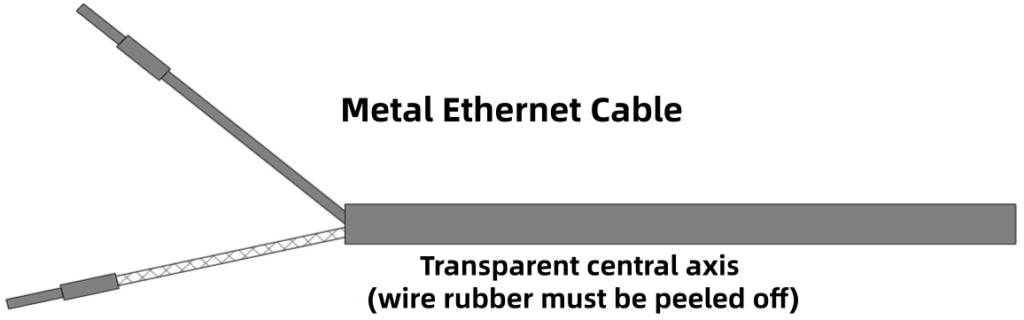
- Stripping specification: Peel off the metal wire layer, thoroughly remove the conductive black skin of the transparent central axis, and avoid signal interference;
- Waterproof protection: If the electrode wire connection is not waterproof, it needs to be sealed with sealant, heat shrink tubing, or waterproof joints to prevent moisture;
- Connector adaptation: Depending on the type of acidity meter interface, choose BNC standard connectors or pin type terminal blocks for docking to ensure good contact.
Maintain
- Daily cleaning: Rinse the electrode with distilled water before and after measurement, dry the filter paper to prevent impurities from entering the measured liquid; Clean thoroughly once a week to ensure performance;
- Idle storage: After washing, put on a protective cover containing 3.3mol/L KCL solution and store in a dry and ventilated place to prevent sensitive bubbles from drying out;
- Sediment treatment: When the glass film appears semi transparent or deposited, wash it with dilute hydrochloric acid and then rinse it with distilled water to avoid scratching with a hard brush;
- Calibration cycle: It is recommended to calibrate the instrument once a week to ensure measurement accuracy;
- Taboo: Avoid prolonged immersion in distilled water, protein solutions, or acidic chloride solutions, and do not come into contact with organic silicone oils.
Sensor diagram illustration
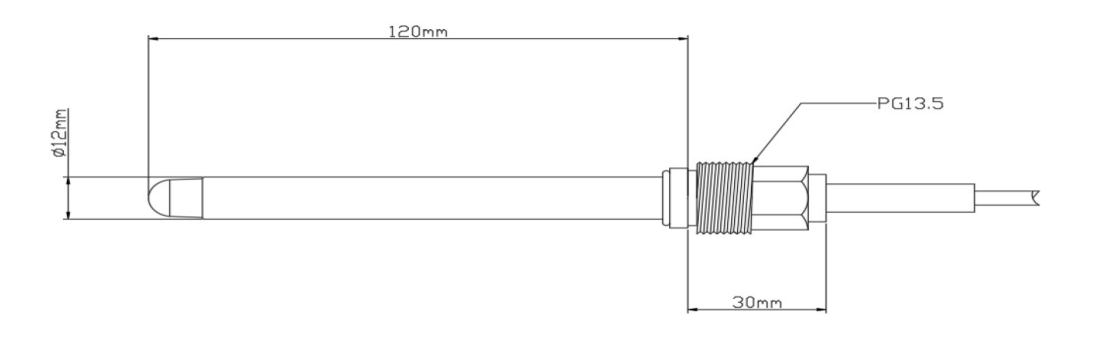
- After opening the packaging, check whether there is mechanical damage to the sensitive bulb and sensor body of the electrode;
- Remove the sensor protective cover and check if there are any bubbles in the sensitive bulb of the sensor. If so, gently shake the sensor in a vertical plane to remove the bubbles;
- Select the corresponding sensor sleeve or cable head for installation according to different sensors;
- The connection between the sensor wire and the sensor is not waterproof, please make sure to do a good job of waterproofing.
Wire stripping instructions
Attention
- The outer layer of the transparent central axis is covered with a conductive rubber layer and a metal mesh layer. When stripping, first strip the metal mesh layer into the metal mesh as shown in the picture, and be sure to removal of conductive black skin on the transparent central axis;
- The cable extends to the host without any contact points except for a dedicated junction box.
Technical Support
5 Best carbon monoxide detector for garage
10 Best carbon monoxide monitor for industrial use 2025
7+ Best Recommended Carbon Monoxide Detector for Industrial Use
What Is pH in Water? A Complete Guide to Understanding (2026)
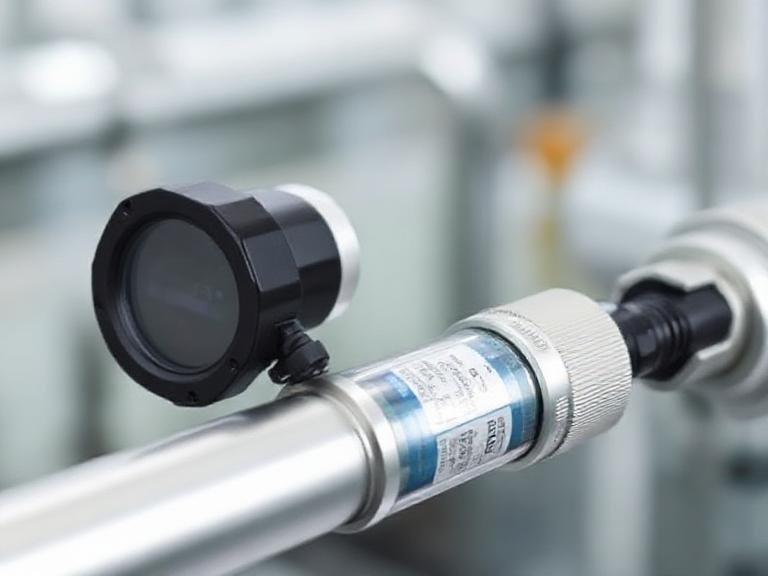
6 Types of Industrial Oxygen Sensors
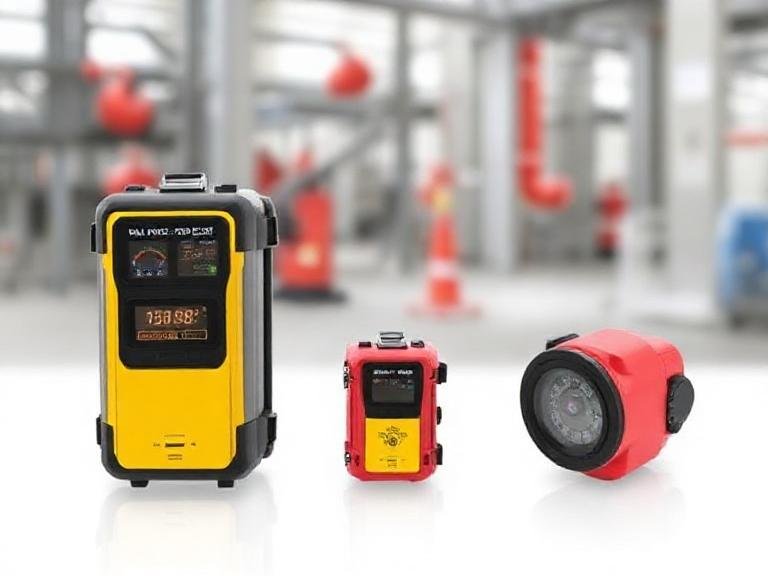
6 Best Industrial Gas Detector Manufacturers in the World
Measuring the pH value of pure water, as shown in the graph, is precise, worry free, and requires minimal maintenance! The GRT1110C pH electrode perfectly meets these needs, without the need for electrolyte replenishment, without fear of blockage or poisoning. It is easy to install and can adapt to most equipment, whether it is industrial pure water preparation or laboratory pure water monitoring, it can easily handle them. Normal use can last up to six months, and with proper maintenance, it can last even longer. The cost-effectiveness is extremely high.
Request a Quote