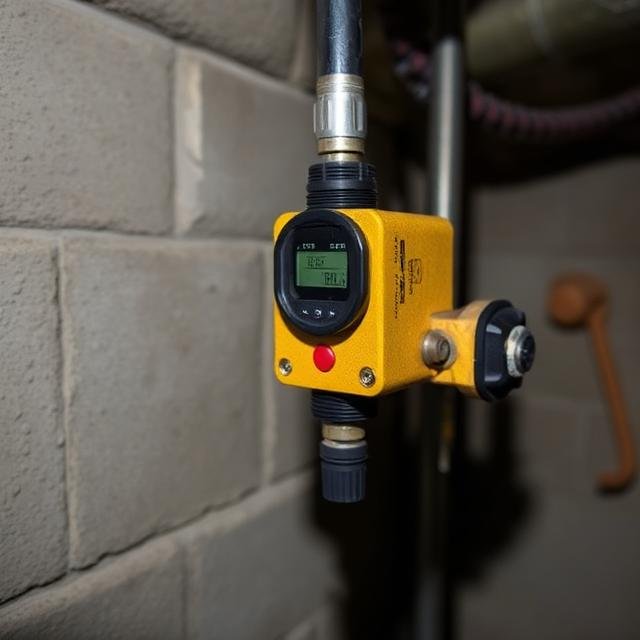
.png)
In the modern industrial landscape, ensuring the safety of personnel and the environment requires high-precision instrumentation. One of the most critical tools for detecting volatile organic compounds (VOCs) and other hazardous gases is the photoionization detector (PID). As global environmental regulations become more stringent, the need for real-time, low-level gas detection has surged. This article provides a deep dive into the technical mechanics, benefits, and diverse applications of PID technology in 2026 and beyond.
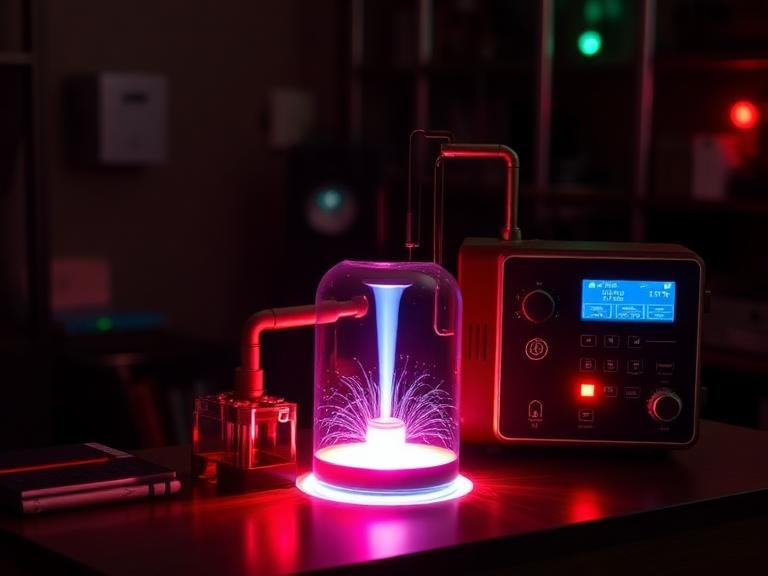
Table of Contents
- What is a Photoionization Detector (PID)?
- The Physics Behind Photoionization
- Sino-Inst: Industrial Analytical Excellence
- Key Components of a Photoionization Detector
- Critical Uses in Modern Industry
- Advantages and Technical Limitations
- Technical Comparison Summary
- Frequently Asked Questions
- Technical References
What is a Photoionization Detector (PID)?
A photoionization detector is an efficient and sensitive gas detector that responds to a wide variety of organic and some inorganic compounds. It is commonly used as a screening tool for volatile organic compounds because it provides instantaneous readings and can detect gas concentrations as low as parts per billion (ppb). Unlike flame ionization detectors (FID), which require a hydrogen flame to burn the sample, a PID uses ultraviolet (UV) light to ionize gas molecules, making it inherently safer and more portable for field use.
The Physics Behind Photoionization
The operational principle of a photoionization detector centers on the energy of light. Every chemical compound has a specific Ionization Potential (IP), measured in electron volts (eV). This is the energy required to displace an electron from a molecule, thereby creating a positive ion.
The Ionization Process
Inside the detector, a UV lamp emits photons of a specific energy level—commonly 9.8 eV, 10.6 eV, or 11.7 eV. When a gas sample enters the ionization chamber, molecules with an IP lower than the lamp’s energy are hit by the UV light. This causes the molecule to release an electron:
$$M + h\nu \rightarrow M^+ + e^-$$
The resulting ions and electrons are attracted to electrodes within the chamber, creating a measurable electrical current. The strength of this current is directly proportional to the concentration of the gas in the air.
Sino-Inst: Your Trusted Partner in Analytical Solutions

Sino-Inst is a professional supplier of industrial process and analytical instruments, include gas detectors, gas analyzers, dust detectors, mass flow controllers, dust monitors. We can help you obtain reliable measurement and analysis solutions while saving procurement costs. Customized products and OEM services are available. We will be your most trusted partner!
Our Specialized Analytical Products:
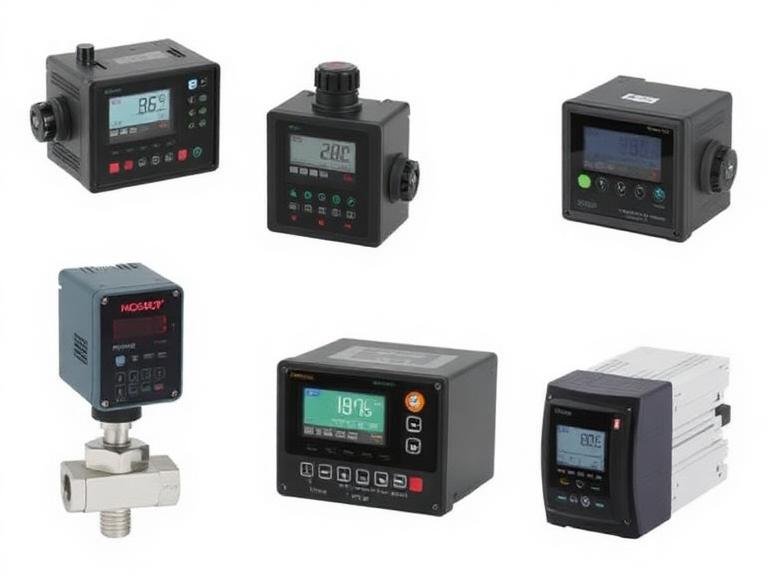
- Fixed Gas Detectors: Perfect for permanent installation in boiler rooms, parking garages, and industrial plants to ensure constant monitoring without the worry of battery-related carbon monoxide detector chirping.
- Portable Gas Detectors: Essential for HVAC technicians and industrial workers who need to detect CO, O2, and H2S on the move.
- Gas Sensor Modules: High-precision components for integration into larger building management systems.
- Gas Monitoring Systems: Centralized hubs that track multiple sensors across a facility, providing detailed data analytics.
- Dust Monitors and Mass Flow Controllers: Advanced instrumentation for complex industrial processes.
- pH/ORP Controllers and Electrodes: Specialized glass and plastic-shell electrodes for liquid analytical needs.
Whether you require a high-precision photoionization detector for environmental monitoring or robust mass flow controllers for chemical processing, Sino-Inst provides the technical expertise to optimize your operations.
Key Components of a Photoionization Detector
To understand the reliability of a photoionization detector, one must look at its core architecture. Modern devices are designed to be rugged yet sensitive enough for laboratory-level precision in the field.
1. The UV Lamp
The lamp is the heart of the PID. The 10.6 eV lamp is the most common because it is long-lasting and can ionize a wide range of VOCs. However, specialized 11.7 eV lamps are used for detecting compounds like methylene chloride or chloroform, although these lamps have a shorter operational life due to the nature of the lithium fluoride window.
2. The Ionization Chamber
This is where the gas sample interacts with the UV light. It contains a set of electrodes (anode and cathode). Sophisticated designs now incorporate a “fence electrode” technology to eliminate the effects of humidity, which historically caused “drift” in PID readings.
3. The Pump and Filter System
A photoionization detector relies on a consistent flow of air. Integrated pumps ensure that a fresh sample is always present, while particulate filters prevent dust from coating the UV lamp window, which would otherwise decrease sensitivity.
Critical Uses in Modern Industry
The versatility of the photoionization detector makes it indispensable across multiple sectors. Its ability to provide non-specific but highly sensitive detection is key to early warning systems.
Environmental Remediation
During the cleanup of “brownfield” sites or leaking underground storage tanks, a PID is used to screen soil and water for petroleum hydrocarbons. It allows technicians to quickly delineate the extent of contamination without waiting for time-consuming laboratory results.
Industrial Hygiene and Safety
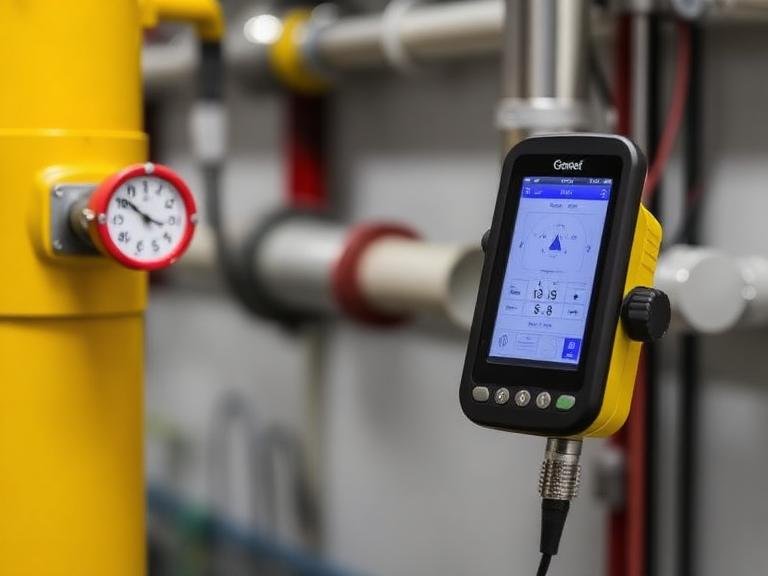
In chemical plants and refineries, workers use portable photoionization detector units to monitor their breathing zone. This ensures that exposure to toxic VOCs like benzene, toluene, and xylene remains within OSHA-defined Permissible Exposure Limits (PELs).
Arson Investigation
Fire investigators use PIDs to detect trace amounts of accelerants like gasoline or kerosene at fire scenes. The high sensitivity of the photoionization detector can find residual vapors that are undetectable by the human nose.
Indoor Air Quality (IAQ)
With the rise of “sick building syndrome,” PIDs are used to monitor the off-gassing of paints, carpets, and cleaning chemicals in office buildings and hospitals, ensuring a healthy environment for occupants.
Advantages and Technical Limitations
While the photoionization detector is a powerful tool, it is important to understand what it can and cannot do.
Advantages
- Instant Response: Real-time data allows for immediate evacuation or corrective action.
- Non-Destructive: The gas sample is not burned or altered, allowing it to be collected for further lab analysis.
- Sensitivity: Capable of detecting concentrations in the low ppb range.
- Ease of Use: Modern units are handheld and require minimal training to operate.
Limitations
- Non-Specificity: A photoionization detector tells you how much gas is present, but not what specific gas it is (unless only one compound is present).
- Ionization Potential: It cannot detect gases with an IP higher than the lamp energy (e.g., methane, ethane, or oxygen).
- Lamp Fogging: High humidity or heavy dust can obscure the lamp window, necessitating regular cleaning.
Technical Comparison Summary
| Feature | Photoionization Detector (PID) | Flame Ionization Detector (FID) | Catalytic Bead Sensor |
|---|---|---|---|
| Target Compounds | VOCs, Aromatics, Amines | Almost all Hydrocarbons | Combustible Gases (LEL) |
| Sensitivity | High (ppb to ppm) | Moderate (ppm) | Low (% LEL) |
| Portability | Excellent (no fuel needed) | Limited (needs Hydrogen) | Excellent |
| Response Time | < 3 seconds | Moderate | < 20 seconds |
| Maintenance | Clean lamp window | Ignition/Fuel checks | Sensor replacement |
Frequently Asked Questions
Technical References
- International Society of Automation (ISA). “Gas Detection Fundamentals: Photoionization Detectors.” 2025 Edition.
- Occupational Safety and Health Administration (OSHA). “Technical Manual Section II: Health Hazards – VOC Detection.”