.png)
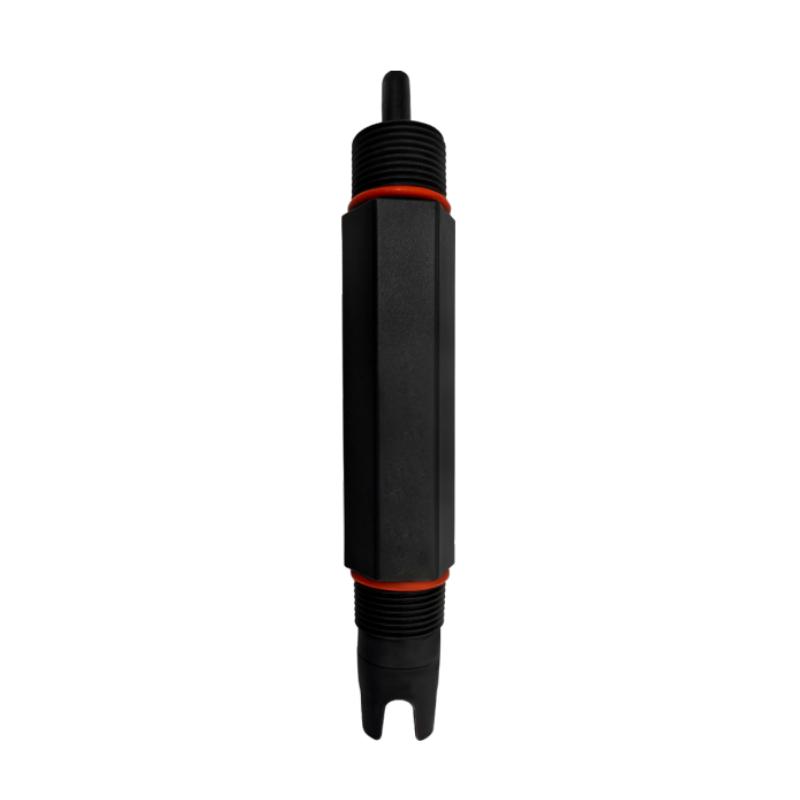
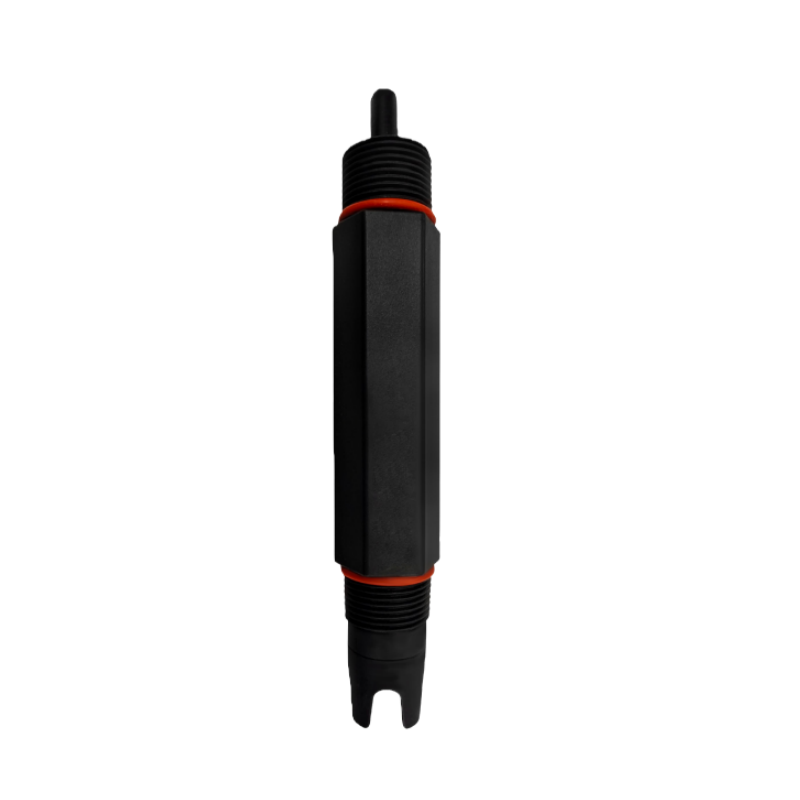
GRT1020DW is an industrial grade pH sensor designed for complex wastewater scenarios. With its circular PTFE liquid interface and double salt bridge reference design, it solves the pain points of traditional electrodes, such as easy blockage, frequent poisoning, and complex maintenance, from the root. Whether it is toxic wastewater containing S ² ⁻ and CN ⁻, or industrial wastewater with dense suspended solids, it can stably output data with low internal resistance and fast response performance, without the need for supplementary dielectrics, making water quality monitoring more worry free and reliable.
★★★★★
Features
Specifications
| Parameter | Value |
|---|---|
| pH Range | 0-14 |
| Temperature Range | 0-60℃ |
| Pressure Range | 0-0.4 M Pa |
| Theoretical percentage slope (%) | ≥ 95 |
| Zero Potential | 7±0.5 |
| Internal Resistance | 25℃时 ≤ 250 MΩ |
| Thread Size | 3/4 inch NPT |
Scope of Application
- The sensor can be used in conjunction with various acidity meters and is suitable for online detection of sewage;
- If the sensor is used normally for six months, its lifespan may be shortened due to harsh environments or improper maintenance.
Core performance advantages
- Anti pollution and anti blockage, long-term online: using a circular polytetrafluoroethylene liquid interface to increase the contact area with the water sample while effectively reducing the adhesion and blockage of suspended solids, suitable for long-term online monitoring of sewage, without the need for frequent disassembly and cleaning.
- Anti poisoning design and life guarantee: gel dielectric salt bridge can accurately block the corrosion of toxic ions such as S ² ⁻ and CN ⁻, so as to avoid electrode “poisoning” failure. Its life under normal use can reach half a year, and it can also maintain stable performance under harsh environment.
- No supplement of dielectrics, simple maintenance: built-in solid gel dielectrics, no additional supplement during use, only one routine cleaning calibration per week, greatly reducing the operation and maintenance costs and workload.
- Full scene adaptation and precise measurement: The special glass sensitive film covers the entire pH range of 0-14, with low sensor resistance and fast response speed. The theoretical percentage slope is ≥ 95%, and the zero potential is stable at 7 ± 0.5pH. The data accuracy meets environmental monitoring standards.
- Standardized installation, strong adaptability: equipped with 3/4 inch NPT standard thread and terminal blocks, it can directly adapt to existing pipelines, immersion brackets and other installation scenarios without additional modification.
- Wide working condition tolerance: able to withstand temperatures of 0-60 ℃ and withstand pressures of 0-0.4MPa, suitable for most industrial wastewater and environmental monitoring requirements, without the need for additional temperature control or pressure relief equipment.
Scenario based applications:
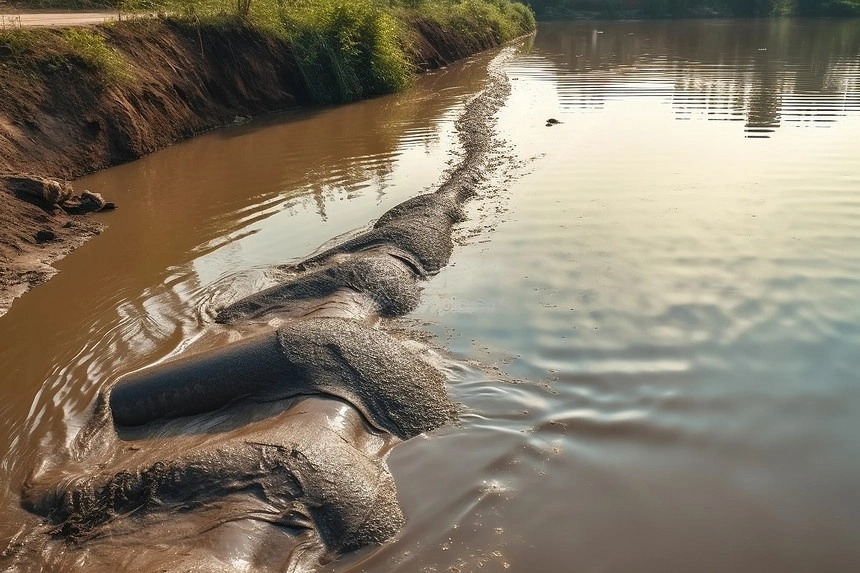
Toxic wastewater in chemical industrial parks
- Pain points: Electroplating and coking wastewater contains high concentrations of S ² ⁻, and ordinary electrodes become “toxic” and ineffective after 1-2 months. The cost of replacement is high, and data interruption affects environmental protection declaration.
- Solution: GRT1020DW dual salt bridge design, the first salt bridge first “hits hard” with toxic water to protect the internal reference electrode from being blocked by Ag ₂ S precipitation; Equipped with a PTFE shell that is resistant to acid and alkali corrosion, with stable monitoring for 6 months and continuous data upload to the environmental protection platform without interruption.
Customer case: After use in a coking plant, the frequency of sensor replacement decreased from 1 per month to 1 per 6 months, resulting in an 80% reduction in annual operation and maintenance costs.
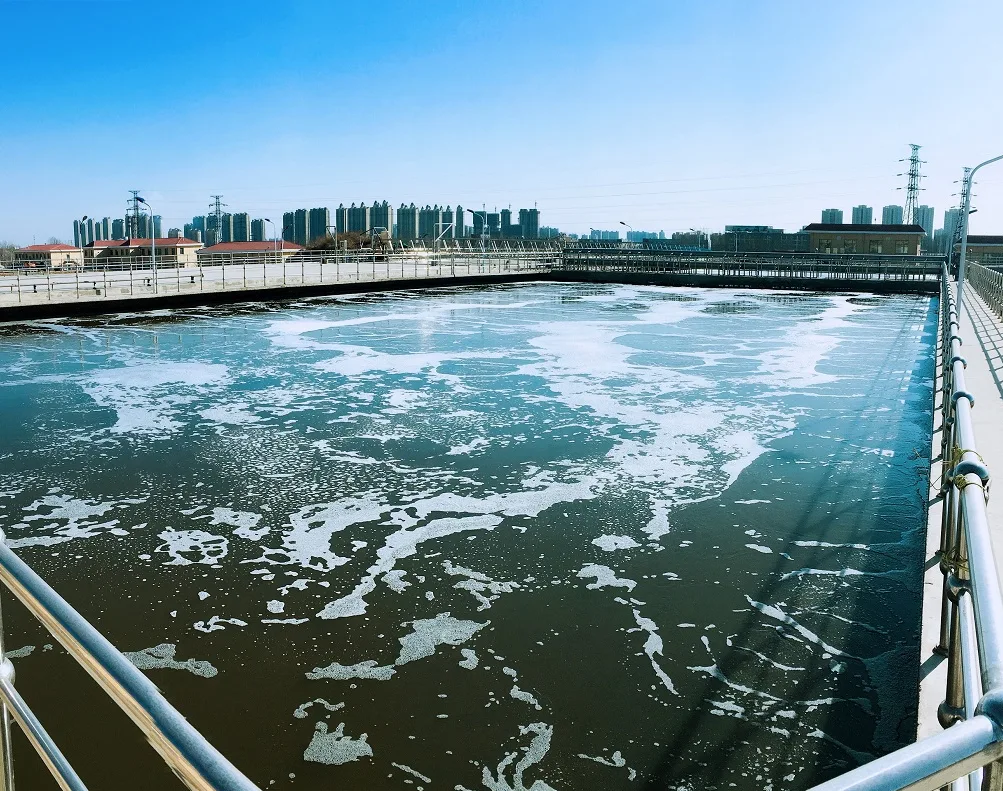
Municipal sewage treatment plant
- Pain point: There are many suspended solids in the sewage of the aeration tank, and the interface of the ordinary electrode liquid is blocked after 3 days. It needs to be removed and soaked in hydrochloric acid, which delays the monitoring progress. The operation and maintenance personnel revolve around the sensor every day.
Solution: The annular liquid interface increases the area of water flow erosion, making suspended solids less likely to adhere; Even if there is a small amount of residue, it can be cleaned with a soft bristled brush dipped in warm water, without the need to remove the sensor. It can be cleaned once a week, and the operation and maintenance efficiency can be improved by 60%.
High oil wastewater from food processing
- Pain point: Slaughtering and frying wastewater contains a large amount of oil, which adheres to the sensor sensitive film to form an oil film, resulting in slower response speed and data lag of more than 10 seconds, affecting process control.
Solution: Special oil repellent sensitive film, which is not easy for grease to adhere, combined with fast response technology, can produce stable data within 10 seconds; Rinse with warm water during cleaning, no chemical reagents are needed to avoid secondary pollution.
Usage and Maintenance Guide
Pre installation inspection and operation
- Once the box has been opened, the initial step is to examine whether or not there has been any mechanical damage to the delicate bulb and sensor body. If there is any damage, it cannot be utilized.
- If there are any bubbles detected within the sensitive bulb after the protective cover has been removed, carefully shake the electrode in a vertical plane to ensure that all of the bubbles have been eliminated and to prevent any potential impact on the precision of the measurement.
- The sensor type must be taken into account when selecting the appropriate protective sleeves or cable connectors for installation. This will guarantee that there is a secure attachment and that there will be no shaking when the device is being used.
Key points for cleaning and maintenance
- Before measurement, the sensor should be washed with distilled water or deionized water, and the surface moisture should be absorbed by filter paper to avoid impurities contaminating the measured water sample; Ensure that the bubble and liquid interface are submerged simultaneously during measurement.
- When the sensor is not in use, it should be cleaned and covered with a protective cover soaked in 3.3Mol/L KCL solution. It is strictly prohibited to leave it dry, otherwise it will quickly shorten its lifespan.
- Avoid prolonged immersion in distilled water, protein solutions, and acidic chloride solutions, while also preventing contact with organic silicone oils, as these substances can damage sensitive membranes.
Sensor diagram illustration
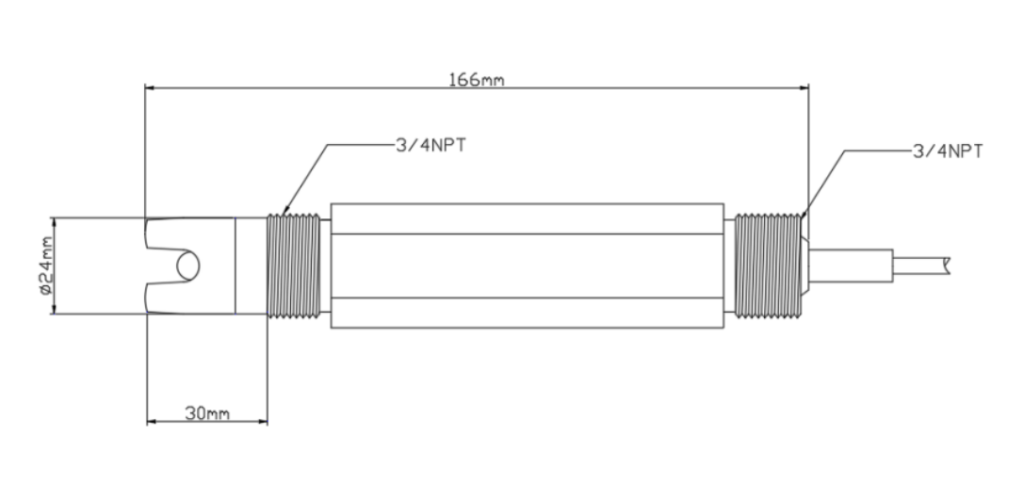
- After opening the packaging, check whether there is mechanical damage to the sensitive bulb and electrode body of the sensor.
- Remove the electrode protective cover and check if there are any bubbles in the sensitive bulb of the electrode. If so, gently shake the electrode in a vertical plane to remove the bubbles;
- Select the corresponding sensor sleeve or cable head for installation according to different sensors;
- The connection between the sensor wire and the electrode is not waterproof, please make sure to do a good job of waterproofing.
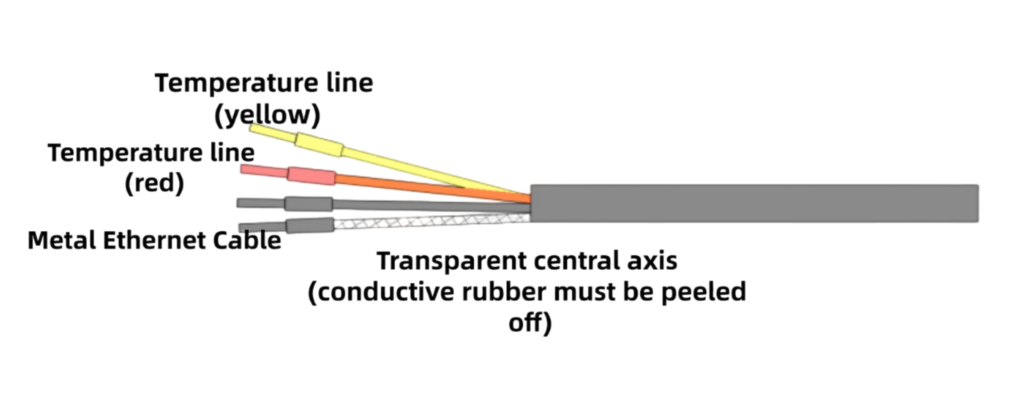
Wire stripping instructions
Attention
- The outer layer of the transparent central axis is covered with a conductive rubber layer and a metal mesh layer. When stripping, first strip the metal mesh layer into the metal mesh as shown in the picture, and be sure to removal of conductive black skin on the transparent central axis;
- The cable extends to the host without any contact points except for a dedicated junction box.
Technical Support
5 Best carbon monoxide detector for garage
10 Best carbon monoxide monitor for industrial use 2025
7+ Best Recommended Carbon Monoxide Detector for Industrial Use
What Is pH in Water? A Complete Guide to Understanding (2026)
6 Types of Industrial Oxygen Sensors
6 Best Industrial Gas Detector Manufacturers in the World
In sewage monitoring, “electrode blockage replacement, poisoning replacement, and inaccurate data repeated adjustment” are common, and GRT1020DW uses a combination of double salt bridge and anti pollution liquid interface to solve these problems from the root. It is not only a pH electrode, but also a “reliable partner” in sewage monitoring scenarios – with a lifespan of six months to reduce replacement costs, weekly maintenance saves manpower, and a slope accuracy of ≥ 95% meets environmental requirements.
Request a Quote
Related Products