.png)
1. Why Industrial CO Monitoring is Critical
Carbon monoxide (CO) presents one of the most significant hazards in industrial environments. As a colorless, odorless, and tasteless gas, CO can accumulate to dangerous levels without warning. Selecting the best carbon monoxide monitor for industrial use is not just a regulatory requirement—it’s a critical safety measure that can prevent fatalities and serious health incidents.
📋 Table of Contents
- 1. Why Industrial CO Monitoring is Critical
- 2. Top 10 Best Carbon Monoxide Monitors for Industrial Use
- 3. Comparison Table: Industrial CO Monitors
- 4. Key Features to Look For
- 5. Installation and Maintenance Guide
- 6. Industry-Specific Requirements
- 7. Regulatory Compliance Standards
- 8. Frequently Asked Questions (FAQs)
- 9. References and Standards
- 10. Company Spotlight: Sino-Inst
1.1 The Silent Danger in Industrial Settings
Industrial processes including combustion, chemical manufacturing, metal processing, and warehouse operations generate CO. Without proper monitoring using the best carbon monoxide monitor for industrial use, workers can be exposed to lethal concentrations. Early detection through reliable monitoring systems provides crucial warning time for evacuation and corrective action.
1.2 Legal and Insurance Implications
Most jurisdictions mandate CO monitoring in industrial facilities. Failure to install adequate detection systems can result in substantial fines, work stoppages, and increased insurance premiums. Investing in the best carbon monoxide monitor for industrial use demonstrates due diligence and commitment to workplace safety.
2. Top 10 Best Carbon Monoxide Monitors for Industrial Use
After extensive research and analysis of industry feedback, we present our selection of the best carbon monoxide monitor for industrial use available in 2025.
#1: Honeywell Analytics X4 CO Monitor
Best Overall Industrial CO Monitor
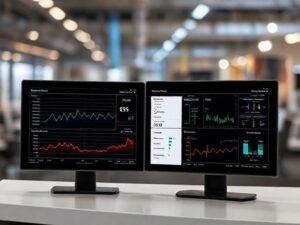
Key Specifications: 0-1000 ppm range, 4-20 mA output, IP66 rating, -40°C to +60°C operating temperature, 2-year sensor life
The Honeywell X4 represents the pinnacle of industrial CO monitoring technology. Its rugged construction and advanced electrochemical sensor provide reliable detection even in the harshest industrial environments. The device features automatic calibration reminders, fault diagnostics, and multiple output options, making it the best carbon monoxide monitor for industrial use in demanding applications.
#2: MSA Altair 5X Multigas Detector with CO Sensor
Best Multi-Gas Solution
Key Specifications: CO range 0-1500 ppm, simultaneous 5-gas detection, rugged design, wireless connectivity, 18+ hour battery
For facilities requiring multiple gas detection, the MSA Altair 5X with CO sensor offers comprehensive protection. Its interchangeable sensors allow customization for specific industrial hazards while maintaining excellent CO sensitivity. The device’s wireless capabilities enable real-time monitoring across large facilities.
#3: Industrial Scientific Tango TX1
Best for Hazardous Environments
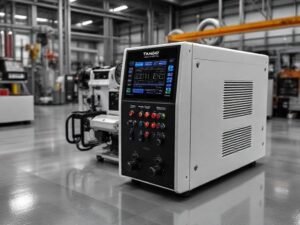
Key Specifications: Intrinsically safe design, 0-2000 ppm CO range, data logging, drop protection, 24-hour continuous operation
The Tango TX1 provides exceptional protection in potentially explosive atmospheres. Its intrinsically safe design makes it suitable for oil refineries, chemical plants, and mining operations. The device’s robust construction withstands industrial abuse while maintaining accurate CO readings.
#4: RKI Instruments GX-6000
Best Value Industrial Monitor
Key Specifications: 6-gas capability, large display, simple calibration, water/dust resistant, affordable price point
Balancing performance and cost, the RKI GX-6000 offers excellent value for industrial facilities. Its user-friendly interface simplifies operation while providing reliable CO detection. The monitor’s durability and straightforward maintenance make it a practical choice for various industrial settings.
#5: Dräger X-am 5600
Best for Confined Space Entry
Key Specifications: Compact design, pump-assisted sampling, pre/post entry check mode, data recording, ATEX certified
Specifically designed for confined space monitoring, the Dräger X-am 5600 excels in detecting CO in tanks, silos, and other restricted areas. Its pump allows for sampling before entry, providing critical safety information. The device’s compact size doesn’t compromise its detection capabilities.
#6: BW Technologies GasAlertMicro5
Best Portable Industrial Monitor
Key Specifications: Ultra-compact, one-button operation, vibration alerts, long battery life, affordable sensor replacement
For workers requiring personal CO monitoring, the GasAlertMicro5 offers reliable protection in a minimal footprint. Its simple operation ensures correct use even with minimal training. The device’s affordability makes widespread deployment practical for large workforces.
#7: Crowcon T4 Portable Gas Detector
Best for Extreme Conditions
Key Specifications: -40°C to +55°C operation, IP67 rating, 2-year warranty, simple calibration, bright visual alarms
The Crowcon T4 withstands extreme temperatures and environmental conditions while providing accurate CO readings. Its rugged design makes it suitable for outdoor industrial operations, cold storage facilities, and hot manufacturing environments.
#8: RAE Systems MultiRAE Plus
Best Advanced Features
Key Specifications: PID plus 5 sensors, wireless mesh networking, GPS tracking, integrated camera, advanced reporting
For facilities requiring advanced monitoring capabilities, the MultiRAE Plus offers sophisticated features including wireless networking and GPS tracking. Its comprehensive approach to gas detection includes excellent CO monitoring alongside other critical parameters.
#9: Sensidyne Gilian 5000
Best for Air Quality Surveys
Key Specifications: High-flow sampling pump, data logging, lightweight design, easy-to-read display, long sampling times
The Sensidyne Gilian 5000 excels in industrial hygiene applications where air quality surveys are necessary. Its high-flow pump ensures representative sampling while the device records CO concentrations over time for comprehensive exposure assessment.
#10: Scott Safety ProLite Plus
Best for Fire and Emergency Services
Key Specifications: CO/H2S dual sensor, simple 2-button operation, durable construction, loud 95 dB alarm, 3-year sensor life
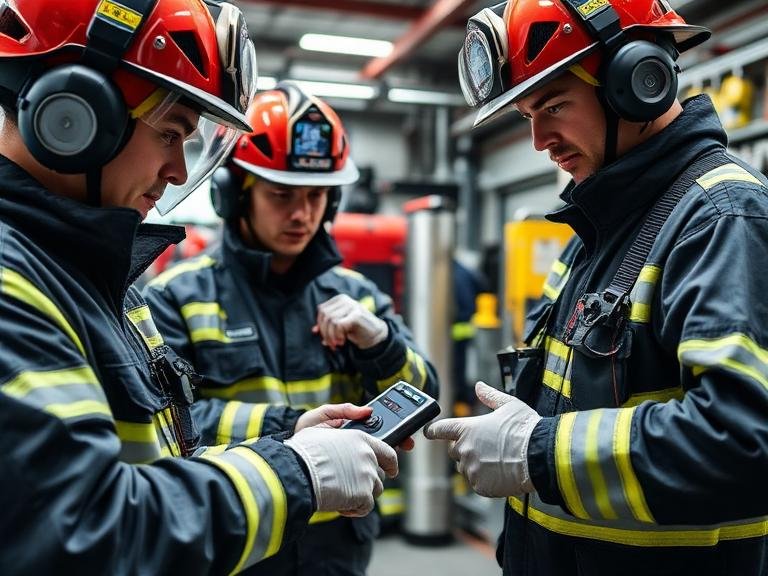
Designed for emergency response in industrial settings, the ProLite Plus offers reliable CO detection during firefighting and rescue operations. Its simplicity ensures operation under stressful conditions while providing critical safety information.
3. Comparison Table: Industrial CO Monitors
| Monitor Model | CO Range | Sensor Type | Certifications | Best For | Price Range |
|---|---|---|---|---|---|
| Honeywell X4 | 0-1000 ppm | Electrochemical | ATEX, IECEx, UL | General Industrial | $$$$ |
| MSA Altair 5X | 0-1500 ppm | Electrochemical | ATEX, UL, CSA | Multi-gas Needs | $$$$ |
| Industrial Scientific Tango TX1 | 0-2000 ppm | Electrochemical | ATEX, IECEx | Hazardous Areas | $$$$$ |
| RKI GX-6000 | 0-999 ppm | Electrochemical | UL, CSA | Budget Operations | $$$ |
| Dräger X-am 5600 | 0-1000 ppm | Electrochemical | ATEX, IECEx | Confined Spaces | $$$$ |
| BW GasAlertMicro5 | 0-500 ppm | Electrochemical | UL, CSA | Personal Monitoring | $$ |
4. Key Features to Look For
When selecting the best carbon monoxide monitor for industrial use, consider these essential features:
4.1 Sensor Technology
Electrochemical sensors offer the best balance of accuracy, response time, and longevity for industrial CO monitoring. Look for sensors with cross-interference compensation and temperature stabilization for reliable readings in varying conditions.
4.2 Ruggedness and Environmental Ratings
Industrial monitors require minimum IP65 rating for dust and water resistance. For harsh environments, seek IP67 or IP68 ratings. Operating temperature range should match your facility’s conditions, with extremes considered for outdoor or temperature-controlled areas.
4.3 Alarm Systems
Effective alarms include visual (LED), audible (≥85 dB), and vibration alerts. Adjustable alarm thresholds allow customization for different areas and processes. Consider monitors with STEL (Short-Term Exposure Limit) and TWA (Time-Weighted Average) alarms for comprehensive protection.
5. Installation and Maintenance Guide
Proper installation and maintenance ensure your best carbon monoxide monitor for industrial use performs reliably.
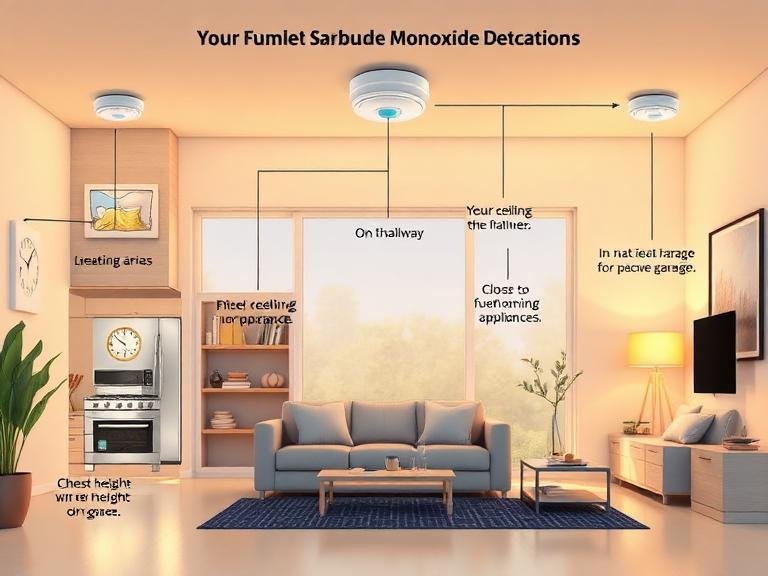
5.1 Optimal Placement Guidelines
- Install monitors 4-6 feet above floor level (CO is slightly lighter than air)
- Place within 10-15 feet of potential CO sources (boilers, furnaces, engines)
- Avoid dead air spaces, corners, and areas with limited air circulation
- Consider placement near air intake vents for HVAC systems
- Install additional monitors in confined spaces and low-lying areas
5.2 Maintenance Schedule
| Frequency | Maintenance Task | Purpose |
|---|---|---|
| Daily | Visual inspection and bump test | Verify basic functionality |
| Monthly | Full functional test with calibration gas | Ensure accurate readings |
| Quarterly | Complete calibration | Maintain measurement accuracy |
| Annually | Professional inspection and certification | Compliance verification |
6. Industry-Specific Requirements
Different industrial sectors have unique requirements for CO monitoring:
6.1 Manufacturing Facilities
Focus on areas with combustion processes, welding operations, and material handling equipment. The best carbon monoxide monitor for industrial use in manufacturing should withstand vibration and particulate exposure.
6.2 Warehouses and Distribution Centers
Monitor areas with forklift operations, loading docks, and maintenance areas. Portable monitors may be more practical than fixed systems in these dynamic environments.
6.3 Chemical and Petrochemical Plants
Require intrinsically safe monitors with explosion-proof certifications. Multiple monitoring points with centralized control systems provide comprehensive coverage.
7. Regulatory Compliance Standards
Ensure your best carbon monoxide monitor for industrial use meets these critical standards:
- OSHA 29 CFR 1910.1000 – Air Contaminants standard
- OSHA 29 CFR 1910.146 – Permit-required confined spaces
- NIOSH REL – 35 ppm ceiling concentration
- ACGIH TLV – 25 ppm time-weighted average
- ISO 6142 – Gas calibration standards
- ATEX/IECEx – Explosive atmosphere certifications
8. Frequently Asked Questions (FAQs)
Q: What makes a carbon monoxide monitor suitable for industrial use?
A: Industrial monitors feature rugged construction, wider measurement ranges (typically 0-1000+ ppm), advanced sensor technology, multiple output options, and certifications for hazardous locations. They’re designed for continuous operation in challenging environments.
Q: How often should industrial CO monitors be calibrated?
A: Most manufacturers recommend calibration every 3-6 months, with bump tests performed monthly. High-use or critical applications may require more frequent calibration. Always follow manufacturer recommendations and regulatory requirements.
Q: Can I use residential CO detectors in industrial settings?
A: Absolutely not. Residential detectors lack the range, durability, and certifications required for industrial environments. They won’t provide adequate protection and may violate safety regulations.
Q: What’s the typical lifespan of an industrial CO monitor?
A: The monitor body typically lasts 5-10 years with proper maintenance. Electrochemical sensors generally require replacement every 2-3 years, depending on usage and environmental conditions.
Q: How many monitors do I need for my facility?
A: This depends on facility size, layout, processes, and risk assessment. General guidelines suggest monitors every 4,000-10,000 square feet in open areas, with additional units near potential sources and in confined spaces.
Q: What’s the difference between fixed and portable monitors?
A: Fixed monitors provide continuous area monitoring, while portable monitors offer personal protection and flexibility for different locations. Most industrial facilities use a combination of both for comprehensive coverage.
9. References and Standards
- OSHA Standard 1910.1000 – Air Contaminants
- NIOSH Pocket Guide to Chemical Hazards – Carbon Monoxide
- ISO 6142:2015 – Gas analysis – Preparation of calibration gas mixtures
- ANSI/ISA 12.13.01 – Performance Requirements for Combustible Gas Detectors
- NFPA 720 – Standard for the Installation of Carbon Monoxide (CO) Detection and Warning Equipment
- ACGIH Threshold Limit Values (TLVs) for Chemical Substances
- IEC 60079-29-1 – Explosive atmospheres – Gas detectors
10. Company Spotlight: Sino-Inst
Your Trusted Partner in Industrial Gas Detection
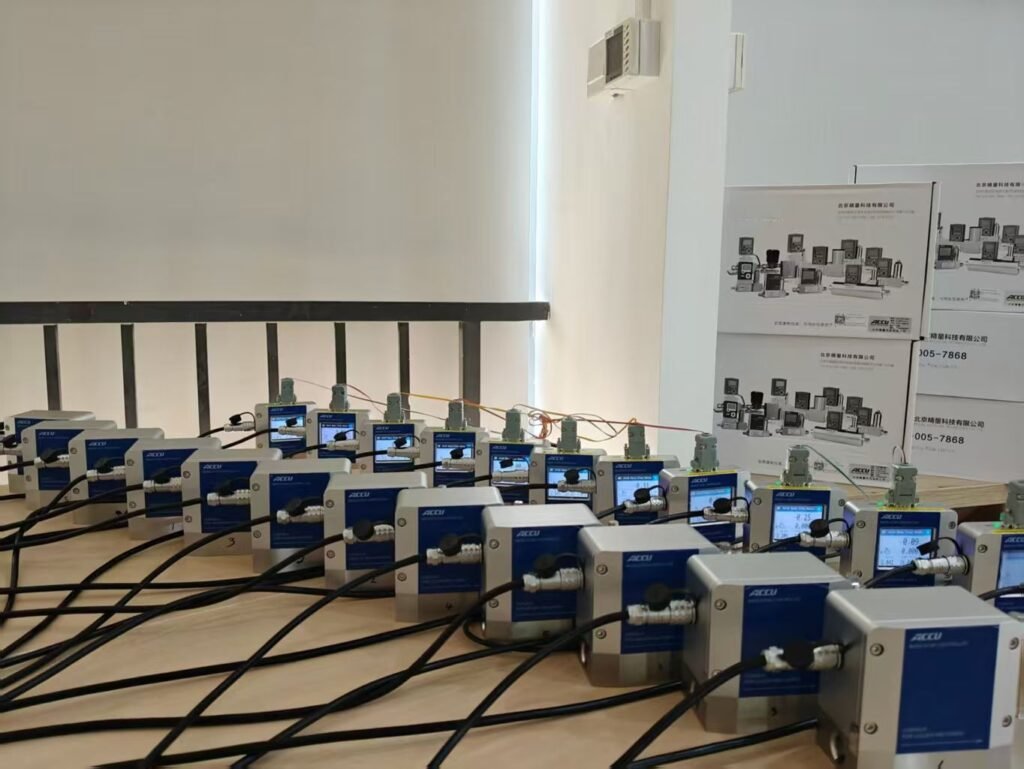
Sino-Inst is a professional supplier of industrial process and analytical instruments, including gas detectors, gas analyzers, dust detectors, mass flow controllers, and dust monitors. We can help you obtain reliable measurement and analysis solutions while saving procurement costs.
Our Core Products Include:
- Fixed Gas Detectors – Continuous area monitoring solutions
- Portable Gas Detectors – Personal and spot-check monitoring
- Gas Sensor Modules – Integration components for OEM applications
- Gas Monitoring Systems – Comprehensive networked solutions
- Dust Monitors – Particulate matter detection
- Mass Flow Controllers/Meters – Precise gas flow measurement
- pH/ORP Controllers – Liquid analysis and control
Why Choose Sino-Inst?
We understand that selecting the best carbon monoxide monitor for industrial use requires careful consideration of your specific needs. Our technical experts provide personalized recommendations based on:
- Your industry and specific applications
- Facility size and layout
- Regulatory compliance requirements
- Budget constraints
- Integration with existing systems
Customized products and OEM services are available. We work closely with clients to develop tailored solutions that address unique monitoring challenges. From single monitors to complete facility monitoring networks, we provide end-to-end support including installation guidance, training, and ongoing technical assistance.
We will be your most trusted partner! With extensive experience in industrial gas detection and a commitment to quality and service, Sino-Inst helps ensure your facility remains safe and compliant. Contact us today for a consultation on implementing the best carbon monoxide monitor for industrial use in your operations.