.png)
In the hazardous landscapes of 2026, the safety of industrial workers hinges on the reliability of their gas detection equipment. As volatile organic compounds (VOCs), combustible gases, and toxic fumes become increasingly complex to manage in oil and gas, mining, and chemical manufacturing, the demand for the best portable multi gas detector has reached a new peak.

Modern detection technology has moved beyond simple alarms. Today, leading suppliers like Sino-Inst are integrating high-definition video surveillance, bionic sensor logic, and long-range wireless telemetry (GPRS/4G/LORA) to ensure that safety managers can monitor confined spaces from thousands of miles away.
Table of Contents
- 1. The State of Gas Detection in 2026
- 2. Top Pick: Sino-Inst Handheld Multi Gas Detector-Wireless
- 3. Specialist Choice: Sino-Inst Movable Multi Gas Monitor with Pump
- 4. The Remaining Elite: Top Global Multi Gas Detectors
- 5. Summary Comparison Table
- 6. Key Selection Criteria for Portable Detectors
- 7. Frequently Asked Questions (FAQs)
- 8. References and Standards
1. The State of Gas Detection in 2026
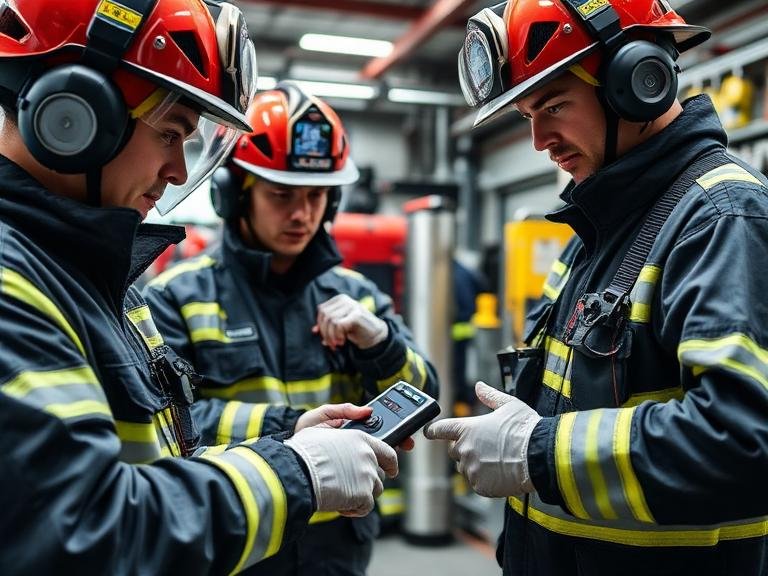
The global market for portable safety devices has evolved toward integrated ecosystems. We are no longer looking at isolated sensors; we are looking at nodes in a safety network. The best portable multi gas detector in 2026 must offer “Situational Awareness.” This means the device doesn’t just beep at the worker; it sends coordinates, gas concentration maps, and even live video to a central security center via 4G or LORA.
Furthermore, sensor longevity has dramatically improved. Solid-state and infrared sensors (NDIR) have largely replaced traditional catalytic beads in high-end models, offering better resistance to “sensor poisoning” caused by silicones or high-concentration gases. This ensures a service life of 3 to 5 years even in the most corrosive environments.
2. Top Pick: Sino-Inst Handheld Multi Gas Detector-Wireless

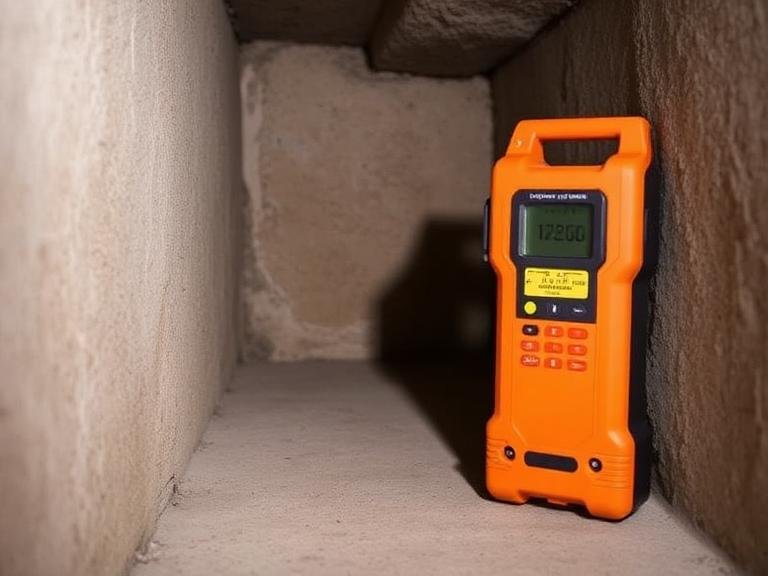
The Sino-Inst Handheld Multi Gas Detector-Wireless stands out as a versatile workhorse for 2026. Designed for both pipeline inspection and confined space entry, it utilizes a 2.5-inch high-definition color screen to display concentrations in real time.
Technical Excellence and Features
This handheld unit is engineered for the harshest hazardous places. Its shell is treated with a fluorocarbon paint process, ensuring it remains wear-resistant and immune to corrosion from strong acids and alkalis for over 10 years. Key highlights include:
- Plug-and-Play Sensors: Over 30 kinds of intelligent imported sensors available, including VOC, oxygen, and infrared.
- Global Connectivity: Built-in modules for GPRS, 4G, LORA, and ZigBee ensure data transmission with no distance limits.
- High Precision: Sampling accuracy of ±2% F.S. with a response time (T90) of less than 10 seconds.
3. Specialist Choice: Sino-Inst Movable Multi Gas Monitor with Pump
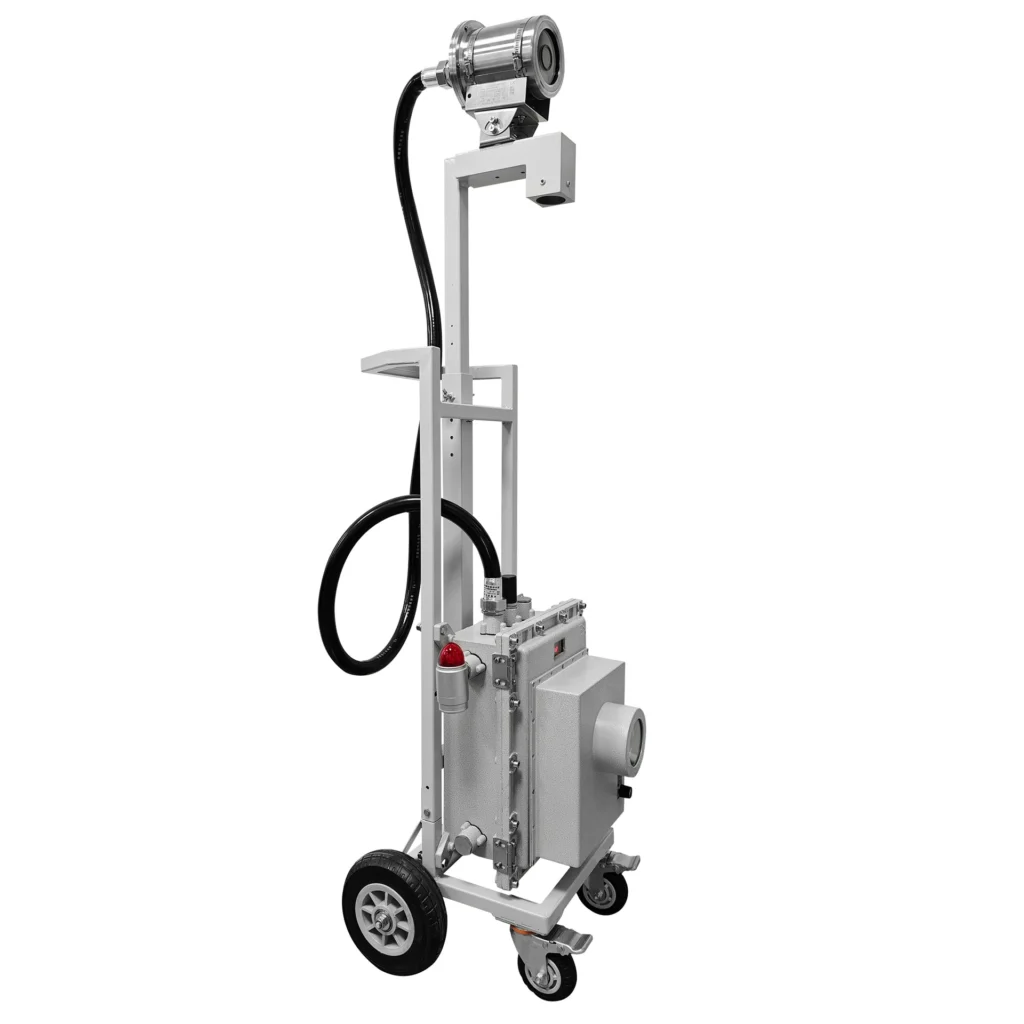
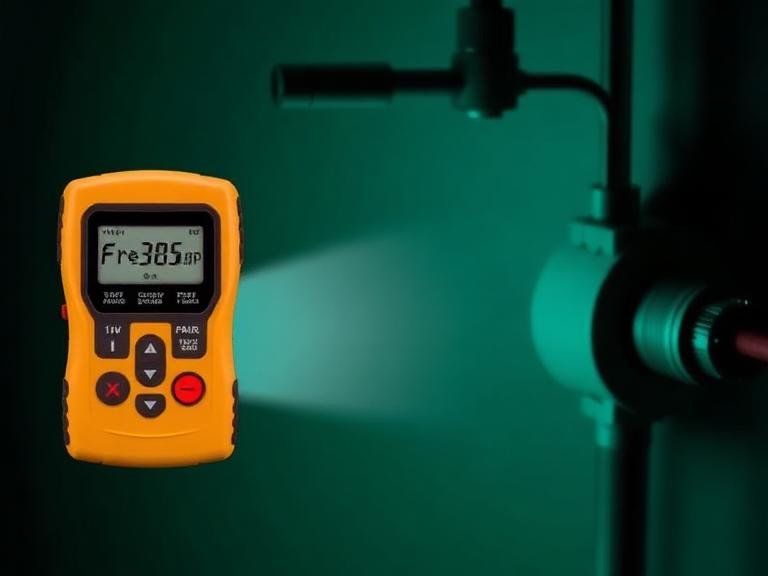
When temporary maintenance operations require continuous, unattended monitoring, the Sino-Inst Movable Multi Gas Monitor is the industry benchmark. This is not just a detector; it is a mobile security station. It combines traditional gas sensing with a high-definition explosion-proof camera, allowing for full network video surveillance via mobile phone or computer.
Movable Monitor Specifications
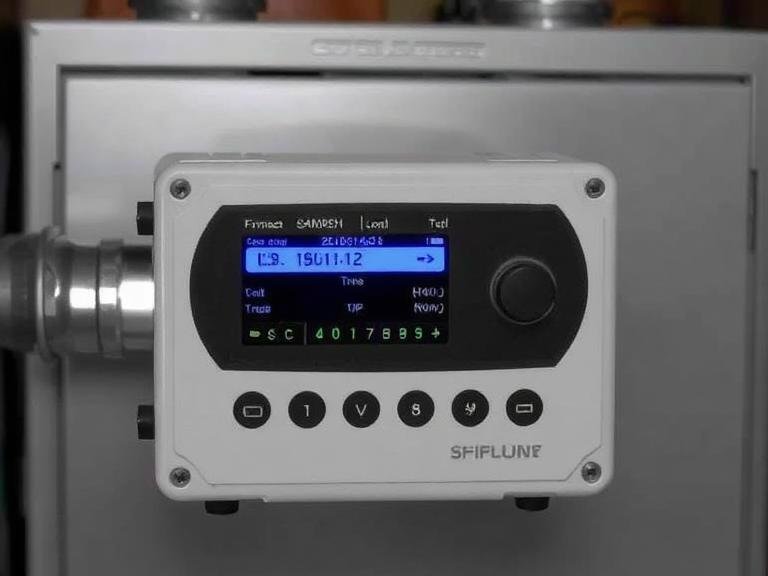
Equipped with an internal pump, this monitor draws air samples from deep within tanks or shafts. Its aluminum alloy cast housing is rated ExdIICT6, the highest level of explosion protection. With a battery life of up to 80 hours of uninterrupted detection, it is perfect for week-long plant shutdowns or remote site monitoring.
4. The Remaining Elite: Top Global Multi Gas Detectors
3. Honeywell BW Ultra
The BW Ultra is a five-gas detector specifically designed for the “Hole Watch” during confined space entries. Its large 3.2-inch screen and “One-Button” operation make it a favorite for workers wearing heavy gloves. In 2026, it remains a top contender for its 1-Series sensors which react faster and last longer than traditional components.
4. MSA Altair 4XR
Known for being the “toughest” on the market, the Altair 4XR can survive a 25-foot drop onto concrete. It is the best portable multi gas detector for those in extreme mining or fire-fighting conditions. It features the XCell sensors, which provide gas readings twice as fast as the industry average.
5. Industrial Scientific Ventis Pro5
The Ventis Pro5 excels in peer-to-peer connectivity. Using LENS Wireless, one detector can share its alarm status with all other detectors in the area. If a lone worker goes down due to gas exposure, every teammate within a one-mile radius is instantly notified of their exact location.
6. Dräger X-am 5000
Dräger focuses on customization. The X-am 5000 can be fitted with over 40 different sensors, allowing it to be a tailored solution for very specific chemical plants. Its catalytic Ex sensor is highly resistant to poisons like silicone, reducing the frequency of calibration.
7. RKI GX-3R Pro
The GX-3R Pro is the smallest and lightest 5-gas monitor available in 2026. Weighing only 4.5 ounces, it is designed for personal monitoring where weight is a primary concern. Despite its size, it includes Bluetooth connectivity for automated logging on mobile apps.
8. GfG Microtector II G450
The G450 is a classic choice for wastewater treatment. It is IP67 rated and features a large, easy-to-read display that changes color based on the alarm level (Green for safe, Red for alarm), providing instant visual confirmation in dark environments.
5. Summary Comparison Table
| Model | Max Gases | Wireless Tech | Battery Life | Best For |
|---|---|---|---|---|
| Sino-Inst Handheld | 4-6 (Modular) | 4G/LORA/GPRS | 12-16 Hours | Remote Industrial Telemetry |
| Sino-Inst Movable | 5 + Video | 4G / Wi-Fi | 80 Hours | Unattended Site Monitoring |
| Honeywell BW Ultra | 5 | Bluetooth | 18 Hours | Confined Space Hole Watch |
| MSA Altair 4XR | 4 | Bluetooth | 24 Hours | High-Impact / Rugged Environments |
| Dräger X-am 5000 | 5 | IR / Radio | 12 Hours | Specialty Chemical Detection |
6. Key Selection Criteria for Portable Detectors
When selecting the best portable multi gas detector for your facility, several technical factors must be considered beyond the initial price point:
Sensor Type and Poison Resistance
For combustible gas (LEL), decide between Catalytic Combustion and NDIR (Infrared). NDIR sensors do not require oxygen to work and are immune to sensor poisons, but they cannot detect hydrogen. Catalytic sensors are cheaper but require frequent “bump testing” to ensure they haven’t been deactivated by chemical exposure.
Ingress Protection (IP) Rating
The IP rating determines how well the device resists dust and water. An IP66/67 rating is standard for 2026, ensuring the device can survive a heavy rainstorm or an accidental drop into a puddle without internal damage.
Data Logging and Compliance
Modern safety regulations (OSHA, ATEX) require proof of bump tests and calibration. The best devices automatically log these events and sync them to a cloud platform, making safety audits effortless for the management team.
7. Frequently Asked Questions (FAQs)
How often should I calibrate my multi gas detector?
While some sensors are rated for 6 months, industry best practices in 2026 suggest a “Bump Test” before every shift and a full calibration every 3 to 6 months depending on the environment.
What is the difference between a pump-style and a diffusion-style detector?
Diffusion detectors rely on natural air currents to reach the sensor and are usually worn on the collar. Pump-style detectors use a motor to pull air through a tube, which is essential for checking the air quality at the bottom of a tank before a worker enters.
Can one detector sense all types of gas?
No. Detectors have specific sensor slots. However, modular systems like those from Sino-Inst allow you to swap sensors (e.g., swapping an H2S sensor for a VOC sensor) as your work environment changes.
8. References and Standards
- IEC 60079-29-1: Explosive atmospheres – Gas detectors – Performance requirements.
- OSHA Standard 1910.146: Permit-required confined spaces.