.png)
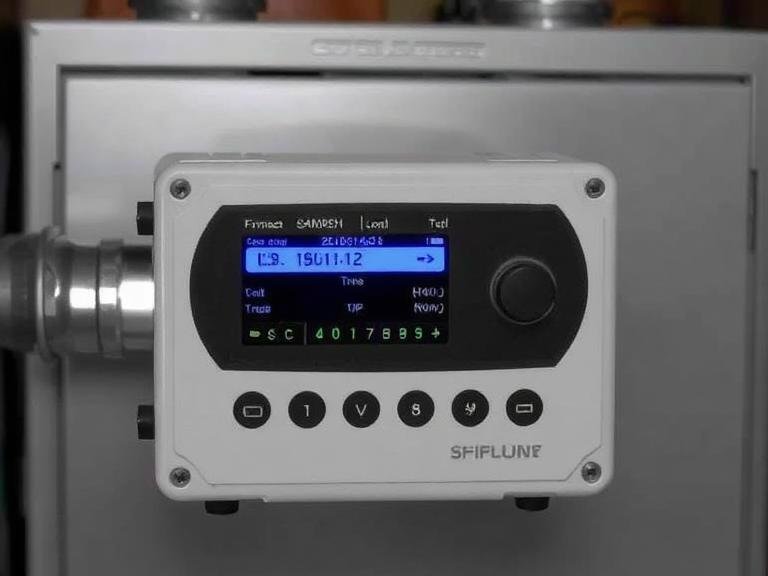
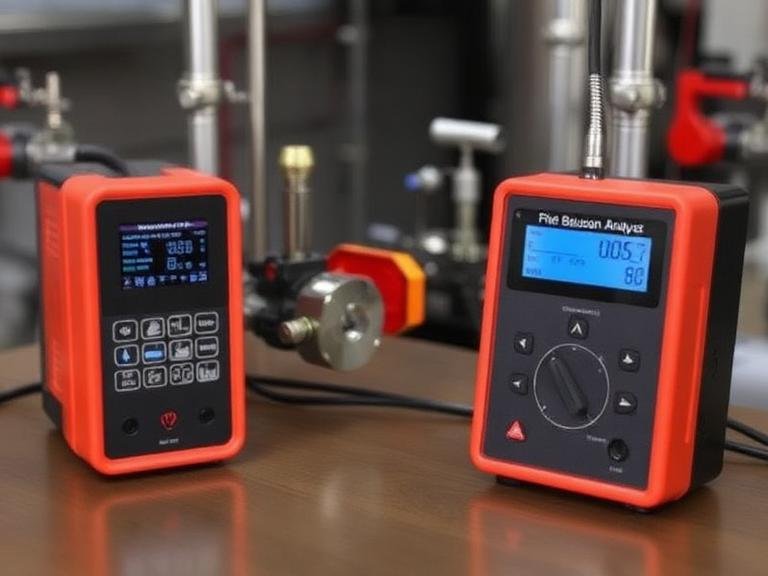
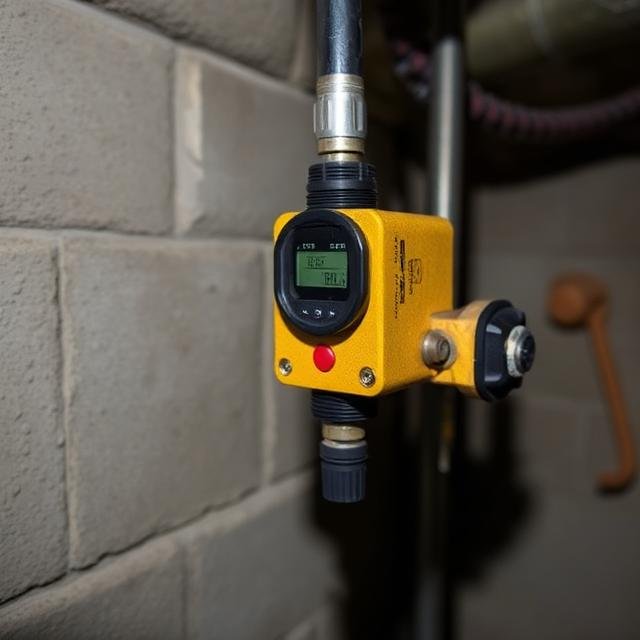
In the complex architecture of modern industrial fluid and gas management, achieving precise measurement is not merely an operational preference; it is a strict requirement for safety, quality control, and financial viability. Over decades of instrumentation evolution, the shift from traditional volumetric measurement to direct mass measurement has revolutionized how engineers monitor and control process variables. Understanding the profound benefits of using a mass flow meter is essential for facility operators looking to optimize their systems. From our experience at Sino-Inst, facilities that transition to mass flow technology experience immediate improvements in data reliability, process stability, and long-term cost reduction.
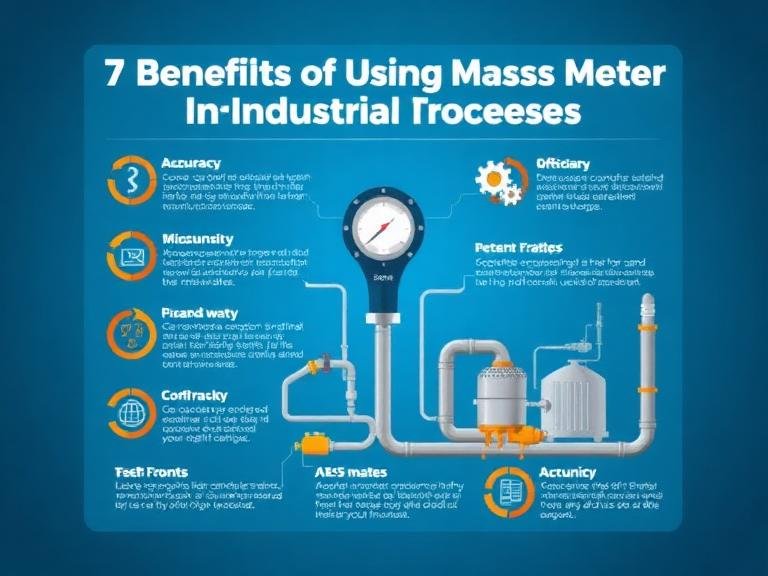
As a leading manufacturer and supplier of industrial process and analytical instruments, we frequently consult with plant managers and procurement engineers who are struggling with the limitations of volumetric flow devices, such as turbine meters or variable area rotameters. These legacy devices measure the physical volume of a fluid passing through a pipe, a metric that is highly susceptible to fluctuations in pressure and temperature. The primary benefits of using a mass flow meter stem from its ability to bypass these environmental variables, providing a measurement based on the actual molecular mass of the medium. We recommend integrating advanced mass flow technology to ensure your processes remain uninterrupted and accurate, regardless of external conditions. This comprehensive guide will dissect the technical advantages, practical applications, and the long-term benefits of using a mass flow meter in your industrial operations.
Table of Contents
- 1. Understanding the Shift from Volumetric to Mass Flow
- 2. The Core Benefits of Using a Mass Flow Meter
- 3. Technical Advantages in Harsh Environments
- 4. Sino-Inst Solutions: Precision Instrumentation
- 5. Procurement and Operational Cost Savings
- 6. Summary Table: Mass Flow vs. Volumetric Flow
- 7. Frequently Asked Questions (FAQs)
- 8. References
1. Understanding the Shift from Volumetric to Mass Flow
To fully grasp the benefits of using a mass flow meter, one must first examine the physics of fluid and gas dynamics. According to the Ideal Gas Law, the volume of a gas expands or contracts proportionally with changes in temperature and pressure. Therefore, a volumetric flow meter might register 100 cubic meters of gas per hour, but the actual number of gas molecules (the mass) within that volume changes drastically depending on whether the line is running at 20 degrees Celsius or 200 degrees Celsius, or whether the pressure is at 1 bar or 10 bar.
To correct this in volumetric systems, engineers must install additional temperature sensors, pressure transmitters, and complex flow computers to calculate the standard or normalized volume. This multi-instrument setup increases the potential for cumulative measurement errors, introduces additional points of failure, and complicates maintenance schedules. The fundamental benefits of using a mass flow meter lie in the elimination of this compensation hardware. By measuring the mass directly—often utilizing thermal dispersion technology—the instrument provides an accurate, real-time reading of the actual substance moving through the pipeline, rendering pressure and temperature fluctuations irrelevant to the final mass flow output.
2. The Core Benefits of Using a Mass Flow Meter
When upgrading facility instrumentation, capital expenditure must be justified by measurable operational improvements. From our experience, the benefits of using a mass flow meter can be categorized into four critical areas: absolute accuracy, system simplicity, turndown ratio, and low maintenance.
Absolute Accuracy Independent of Process Variables
The foremost of the benefits of using a mass flow meter is its unparalleled accuracy. In chemical dosing, semiconductor fabrication, and pharmaceutical manufacturing, injecting the exact mass of a reactant is critical to product yield. Thermal mass flow meters, for example, measure the heat transfer from a heated sensor to the flowing gas. The rate of heat dissipation is directly proportional to the molecular mass flow rate. Because the measurement relies on the physical properties of the molecules rather than the space they occupy, the meter maintains extreme accuracy even if the line pressure suddenly drops or spikes. We recommend this technology for any process where stoichiometric ratios are critical to the chemical reaction.
Elimination of Pressure and Temperature Compensation
As mentioned earlier, traditional flow measurement requires a labyrinth of ancillary sensors. One of the logistical benefits of using a mass flow meter is the reduction of pipe penetrations. Every time you drill into a high-pressure line to install a separate pressure transducer or thermowell, you introduce a potential leak path. A mass flow meter is a single-insertion or inline device that provides the corrected mass flow directly. This simplifies the wiring back to the PLC or DCS, reduces installation time, and dramatically lowers the overall procurement costs associated with complex flow loops.
Exceptional Turndown Ratios
The turndown ratio refers to the operational range of a meter—the ratio of the maximum measurable flow to the minimum measurable flow while maintaining acceptable accuracy. Volumetric meters typically struggle at the low end of their range, often offering a turndown ratio of 10:1. One of the highly praised benefits of using a mass flow meter is its exceptionally wide turndown ratio, frequently reaching 100:1 or even 1000:1. This means a single instrument can accurately measure highly variable flow rates, from a slight trickle during standby operations to a massive surge during peak production. From our experience, this prevents facilities from having to install multiple parallel meter runs to capture both low and high flow conditions.
No Moving Parts and Low Maintenance
Mechanical meters, such as turbines or positive displacement meters, rely on rotating components to calculate flow. Over time, bearings wear out, blades corrode, and particulates in the gas or fluid cause the mechanism to jam. The operational benefits of using a mass flow meter include the complete absence of moving parts in thermal and Coriolis designs. Without mechanical wear and tear, these instruments require drastically less maintenance, do not require frequent recalibration due to mechanical degradation, and offer a significantly longer operational lifespan, providing a higher return on investment.
3. Technical Advantages in Harsh Environments
Industrial environments are rarely pristine. High dust loads, extreme temperatures, and corrosive gases easily destroy standard instrumentation. The benefits of using a mass flow meter become highly apparent when operating under these severe conditions. Solid-state sensor designs can be manufactured from exotic alloys like Hastelloy or 316L stainless steel, rendering them immune to many aggressive media.
Furthermore, when dealing with extremely low-pressure systems, such as natural gas distribution lines or biogas recovery systems, you cannot afford to introduce a device that causes a significant pressure drop across the line. Devices like orifice plates create permanent pressure loss, forcing compressors to work harder and consume more electricity. A key advantage of thermal mass flow meters is their virtually negligible pressure drop, as the sensor probe only occupies a tiny fraction of the pipe’s cross-sectional area. This ensures smooth flow and saves substantial energy costs over the lifespan of the plant.
4. Sino-Inst Solutions: Precision Instrumentation
At Sino-Inst, we have engineered our product portfolio to maximize the benefits of using a mass flow meter for our global clientele. As a trusted OEM partner and supplier, we understand that off-the-shelf solutions do not always fit custom engineering challenges. We provide customized products tailored to your specific gas mixtures, pipe dimensions, and communication protocols.
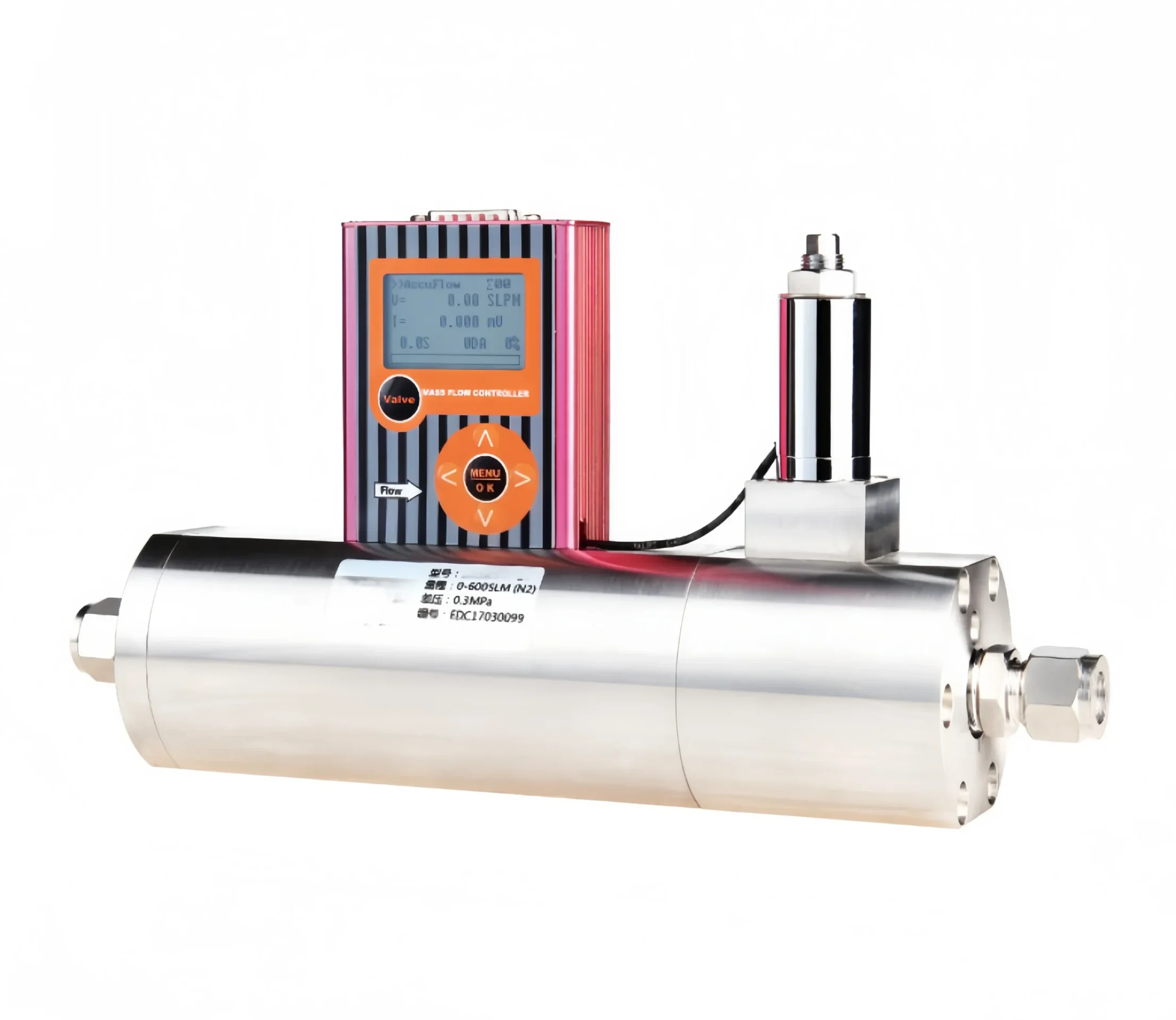
For applications requiring highly precise control in clean environments, we recommend the SI-10FD Digital Mass Flow Controller/Meter. This unit integrates both precise measurement and rapid-response control valving, making it ideal for laboratory settings, pilot plants, and advanced manufacturing processes where gas blending must be flawless.
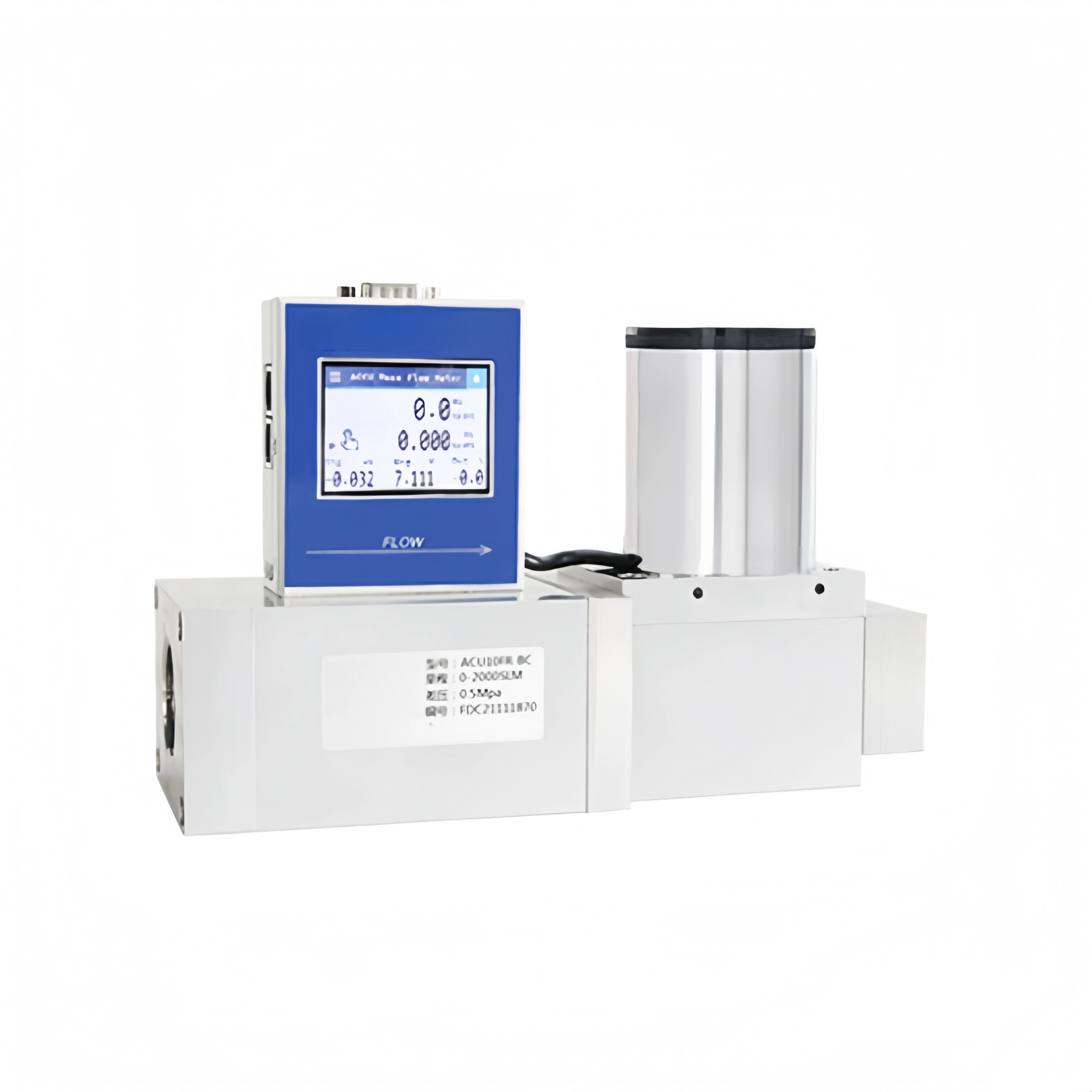
When dealing with systems that are sensitive to pressure loss, our SI-20FDR Gas Mass Flow Controller | High Accuracy – Low Differential Pressure is the optimal choice. From our experience, many low-pressure burner control systems and environmental monitoring setups fail when standard controllers restrict the line. The SI-20FDR is specifically designed to provide high-accuracy mass flow data and control while maintaining a remarkably low differential pressure across the instrument.
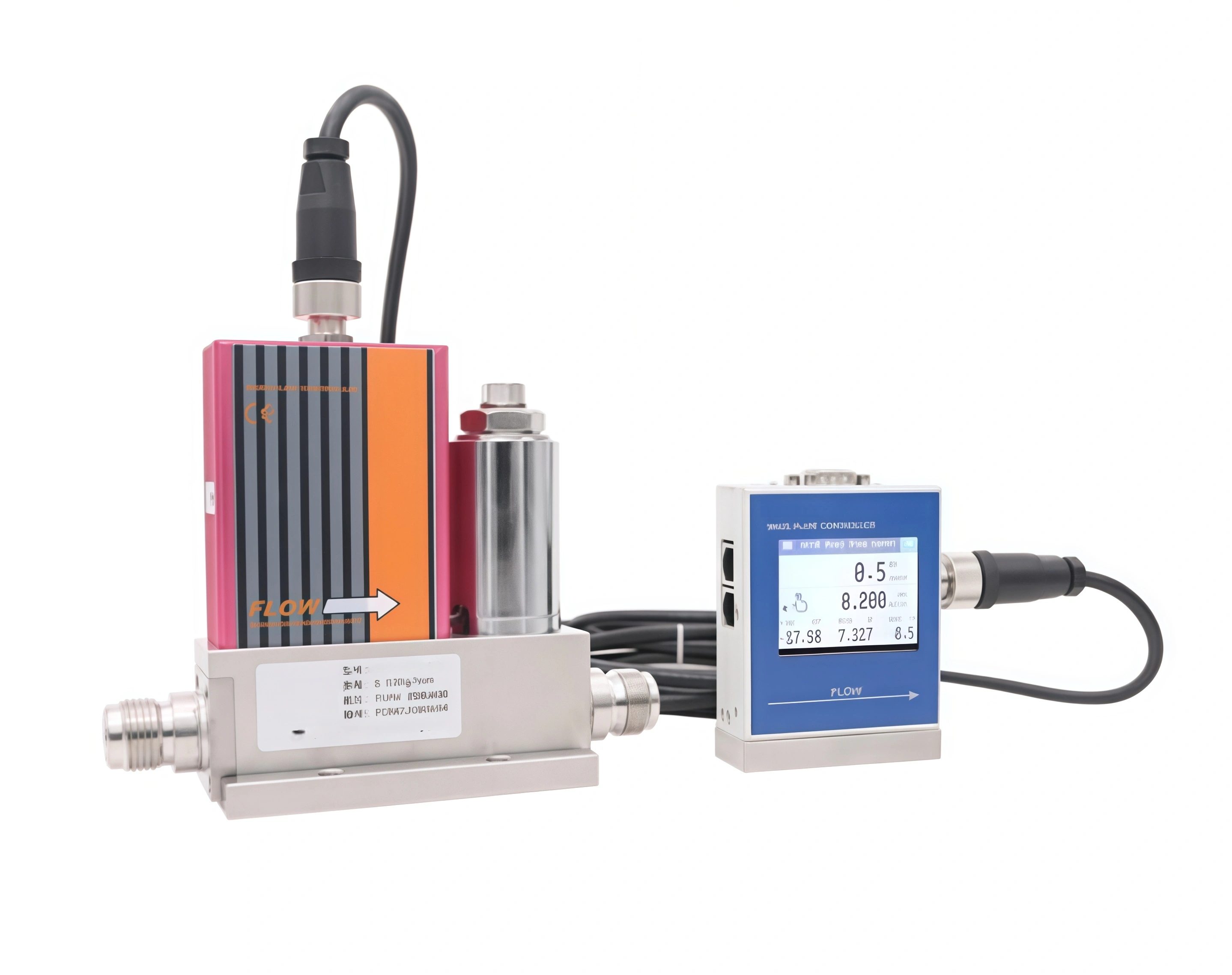
In heavy industrial applications, such as metallurgy, glass manufacturing, or high-heat exhaust monitoring, standard sensors will quickly degrade. To solve this, we developed the SI-20FDH High Temperature Thermal Mass Flow Controller. This instrument is built to withstand extreme thermal gradients while still delivering the core benefits of using a mass flow meter: accuracy, stability, and direct mass output without the need for fragile secondary compensation sensors.
5. Procurement and Operational Cost Savings
When calculating the total cost of ownership, the initial purchase price is only a fraction of the equation. Understanding the financial benefits of using a mass flow meter requires looking at installation, maintenance, and process efficiency. Sino-Inst can help you obtain reliable measurement and analysis solutions while saving procurement costs.
First, because mass flow meters eliminate the need to purchase separate pressure transmitters, temperature sensors, and flow computers, the initial capital expenditure for the measurement node is often lower. Second, the installation costs are reduced since only one wire run and one pipe penetration are required. Third, the lack of moving parts dramatically lowers the annual maintenance budget and minimizes costly process shutdowns for instrument repair.
Most importantly, the enhanced accuracy directly translates to material savings. In gas mixing applications, over-dosing expensive gases like argon, helium, or specialized calibration mixtures leads to massive financial waste. The precise measurement provided by instruments like the SI-10FD ensures that you only use exactly what the process requires. We recommend partnering with Sino-Inst to audit your current volumetric systems; replacing them with mass flow technology frequently pays for itself within the first year of operation through gas savings alone.
6. Summary Table: Mass Flow vs. Volumetric Flow
To clearly illustrate the benefits of using a mass flow meter, we have compiled the following comparison table highlighting the operational differences between direct mass measurement and traditional volumetric measurement.
| Feature / Parameter | Thermal Mass Flow Meter | Volumetric Meter (e.g., Turbine) |
|---|---|---|
| Measurement Basis | Direct Mass (Molecular count) | Physical Space (Volume) |
| Pressure/Temp Compensation | Not Required | Mandatory for accurate mass calculations |
| Moving Parts | None (Solid-state sensors) | Yes (Bearings, rotors, blades) |
| Turndown Ratio | Very High (Up to 1000:1) | Low to Moderate (Typically 10:1) |
| Pressure Drop | Negligible | Moderate to High |
| Maintenance Requirements | Very Low (Occasional sensor cleaning) | High (Bearing replacement, recalibration) |
| Total Cost of Installation | Lower (Single instrument installation) | Higher (Multiple sensors and flow computer required) |
7. Frequently Asked Questions (FAQs)
8. References
To further understand the engineering principles, industrial standards, and the comprehensive benefits of using a mass flow meter, we recommend consulting the following authoritative organizations and technical publications:
- International Society of Automation (ISA) – Standards and practices for process measurement and control.
- International Organization for Standardization (ISO) – Global standards for fluid flow measurement in closed conduits.
- National Institute of Standards and Technology (NIST) – Fluid metrology research and calibration guidelines.