.png)
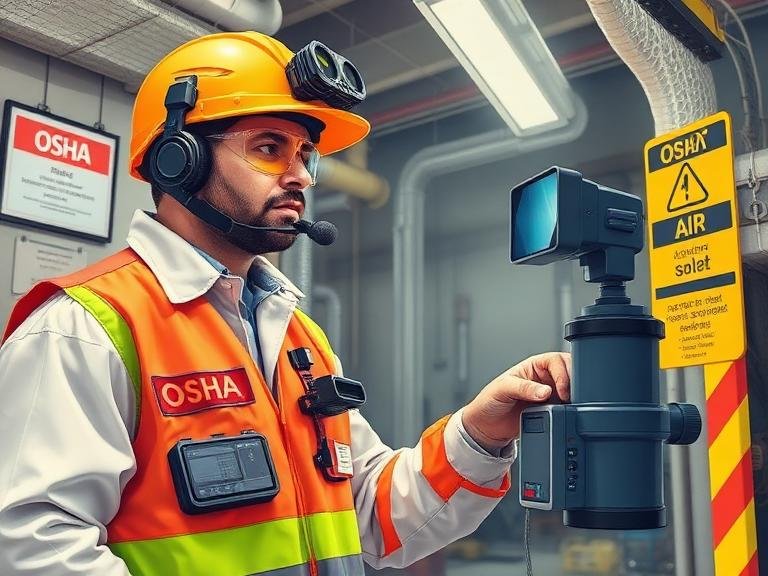
In the volatile environments of oil refineries, chemical plants, and underground mining, the margin for error is non-existent. The difference between a routine shift and a catastrophic event often hangs on the accuracy of a single piece of equipment: the gas monitor. Identifying the most reliable multi gas detectors for your specific application is not just a procurement decision; it is a critical safety protocol.
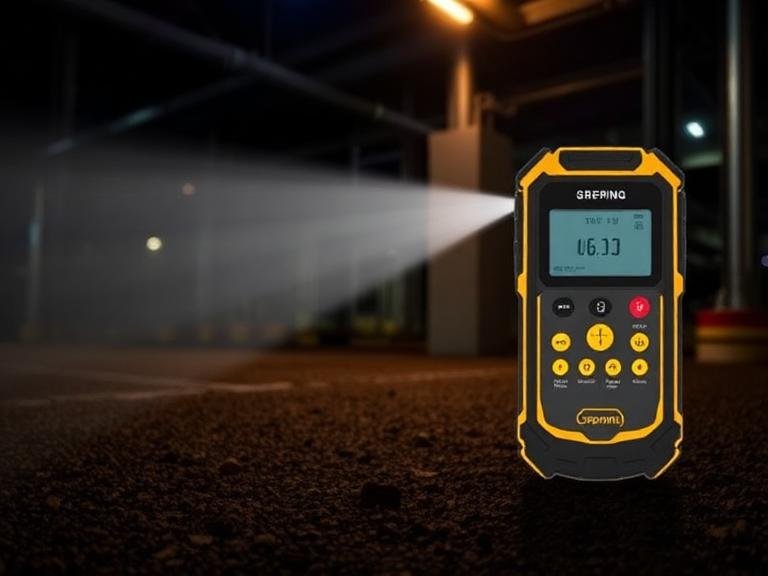
Modern industrial operations require simultaneous monitoring of Oxygen (O2), Combustible Gases (LEL), Carbon Monoxide (CO), and Hydrogen Sulfide (H2S), among others. With advancements in sensor technology, the market is flooded with options ranging from basic portable clips to sophisticated fixed systems. This guide cuts through the noise to present the six top-tier solutions that define reliability in 2026, helping safety managers and engineers make informed choices.
Criteria for Defining Reliability in Gas Detection
Before diving into the product list, it is essential to understand what qualifies a device as the most reliable multi gas detectors. Reliability in an industrial context involves three distinct pillars: Sensor Longevity, Environmental Durability, and Data Integrity.
First, sensor response time (T90) is critical. A reliable detector must identify a gas leak and trigger an alarm in under 20 seconds. Second, the build quality must withstand drops, water ingress (IP rating), and extreme temperatures. Finally, the electronics must resist electromagnetic interference (EMI) to prevent false alarms, which can cause “alarm fatigue” among workers.
The 6 Most Reliable Multi-Gas Detectors
1. Sino-Inst Multi Gas Detector for 2~8 Gases
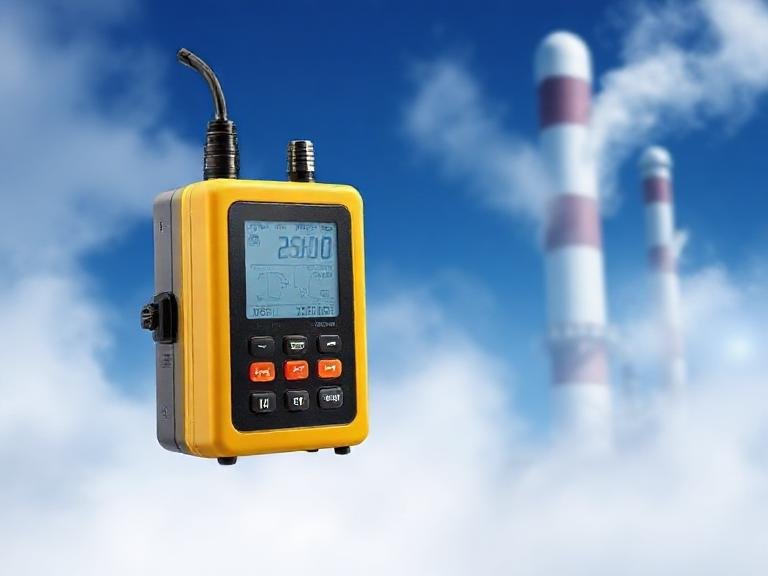
Leading our list is a versatile powerhouse designed for complex industrial environments. The Sino-Inst Multi Gas Detector stands out because of its ability to monitor up to 8 gases simultaneously, a feature that goes beyond the standard 4-gas configuration of most portable units. Its architecture is built around independent gas chambers, which ensures that cross-interference between sensors is minimized, providing the most reliable multi gas detectors experience for mixed-gas environments.
This unit is particularly favored in petrochemical industries where temperature and humidity fluctuate wildly. It features full-range temperature digital automatic tracking compensation, ensuring that readings remain accurate whether the user is in a freezing pipeline or a hot engine room. The inclusion of semiconductor nanotechnology in the microprocessor ensures ultra-low power consumption, extending operation time.
Key Features & Specifications
- Sensor Life: 3-5 years with good anti-interference performance.
- Display: Large-screen LCD with backlight showing concentration, type, unit, and status.
- Maintenance: Independent gas chambers allow easy sensor replacement without on-site calibration. Automatic identification of key parameters.
- Protection: Automatic recovery function to prevent damage from external causes or high-concentration gas shock.
- Explosion Proof: ExdIICT6 rating.
| Parameter | Specification |
|---|---|
| Detection Gas | Methane, H2S, CO, O2, CO2, Temp, Humidity (Customizable) |
| Detection Range | Methane 0-100%LEL, H2S 0-100PPM, CO 0-500PPM, O2 0-30%VOL, CO2 0-5000PPM |
| Response Time | T90 ≤ 20 seconds |
| Output Signal | RS485 (RTU), 4~20mA, Wireless transmission (Optional) |
| Working Environment | -40℃~+70℃; Humidity ≤10-95%RH (Non-condensing) |
| Voltage | 12~30V DC (Standard 24V) |
2. Honeywell BW Ultra
The Honeywell BW Ultra is a detector designed specifically for sampling and monitoring confined spaces, before and after entry. It benefits from enhanced sensor technology, visibility on gas readings, and connectivity. What makes it a contender for the most reliable multi-gas detector is its specialized design for the “hole watch” role.
It features the 1-Series sensor, which delivers fast response, reliable performance, and long life, even in extreme working conditions. The internal pump is robust, capable of drawing samples from significant distances, which is crucial for pre-entry checks in deep vessels.
3. MSA Altair 5X
The MSA Altair 5X is legendary in the safety industry for its toughness. It is capable of withstanding a 10-foot drop onto concrete and is IP65 rated against water and dust. Its reliability stems from the XCell Sensor technology. These sensors have integrated electronics that digitize the signal at the sensor level, rather than sending a weak analog signal to the main board. This results in superior stability and accuracy.
Furthermore, the Altair 5X features a MotionAlert (man-down alarm) and InstantAlert (manual alarm), adding layers of safety beyond just gas detection.
4. Sino-Inst High Temperature Combustible Gas Detector
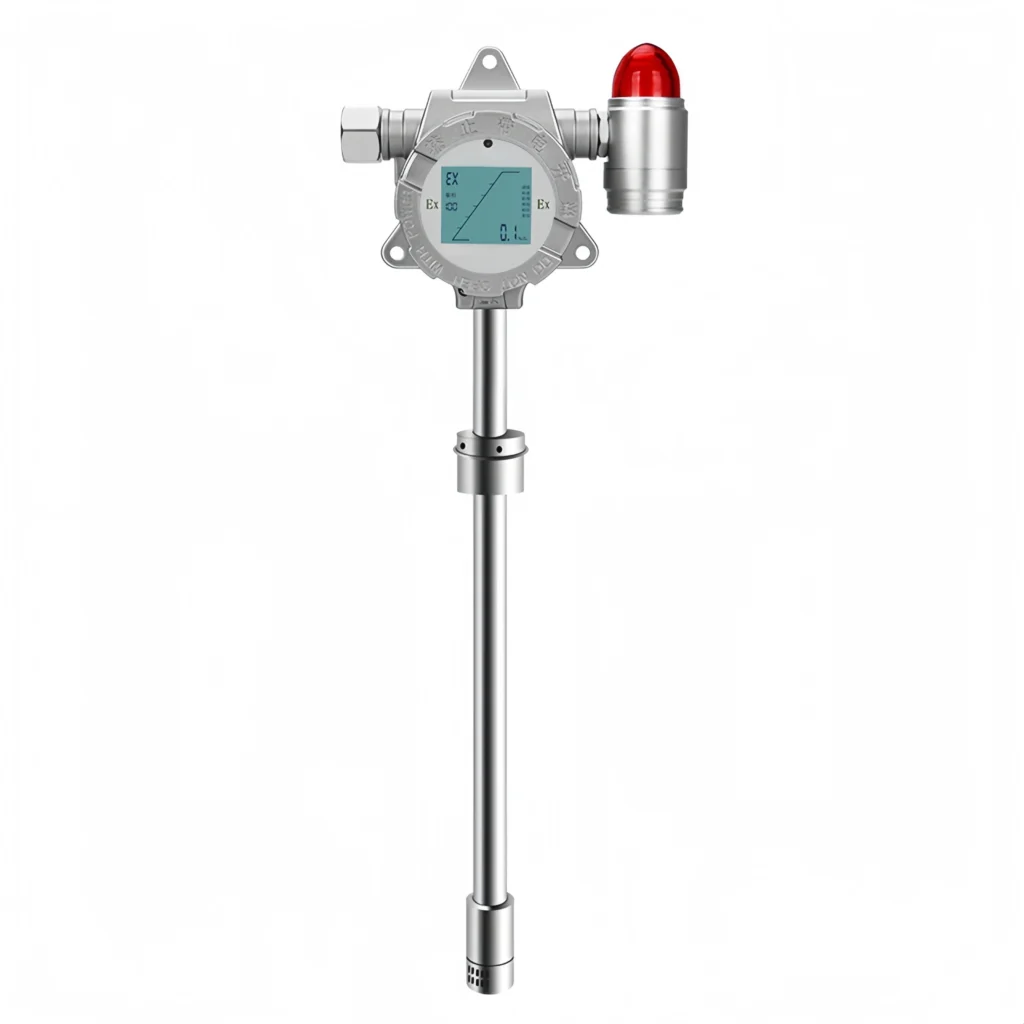
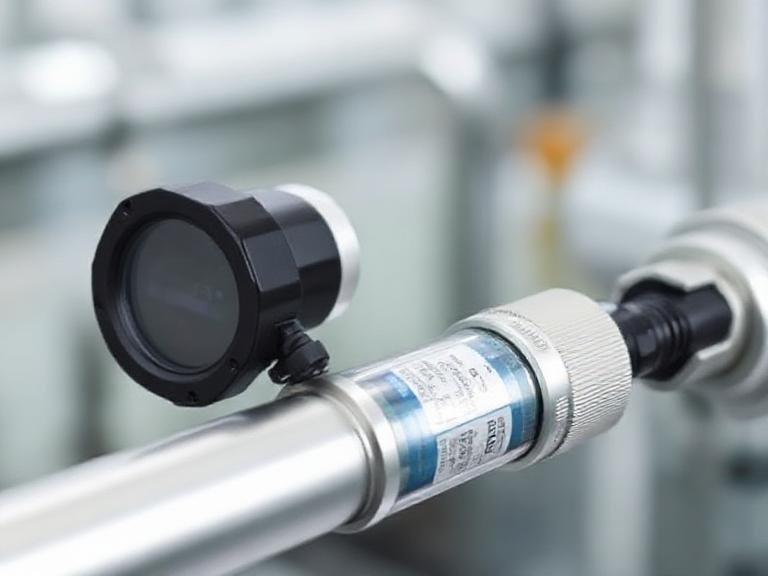
Standard gas detectors fail rapidly when exposed to extreme heat. For specific industrial applications like drying rooms, metallurgy, or high-temperature pipelines, the Sino-Inst High Temperature Combustible Gas Detector is the definitive solution. Unlike standard units that melt or drift above 50°C, this unit can withstand sample gas temperatures up to 250°C (customizable to higher ranges), making it the most reliable multi-gas detector choice for thermal processes.
This fixed unit utilizes a specialized probe and cooling mechanics to ensure the sensor element remains within its operating window while accurately measuring the hot gas stream. It supports various signal outputs including Analog, Digital, and Switching signals, allowing seamless integration into DCS or PLC systems.
Key Features & Specifications
- High Temp Capability: Monitoring of gases up to 250°C (Standard), customizable for higher.
- Sensor Tech: Imported sensors with >3 year service life and anti-interference properties.
- Calibration: Full software automatic calibration with up to 6 levels of target point calibration.
- Output Versatility: 4-20mA, RS485, Voltage (0-5V/0-10V), Pulse, and Relay outputs.
- Housing: Die-cast aluminum with sandblasting oxidation/fluorocarbon paint for corrosion resistance.
| Parameter | Specification |
|---|---|
| Model | 1000-EX-GW |
| Detection Gas | High temperature combustible gas |
| Detection Range | 0-100%LEL, 0-5%VOL |
| Response Time | ≤3 seconds (T90) |
| Transmission | Cable (1-2km) or GPRS Wireless |
| Explosion Proof | ExdII CT6 |
| Protection Level | IP66 |
5. Industrial Scientific Ventis Pro5
The Ventis Pro5 is synonymous with connectivity. In the era of the Industrial Internet of Things (IIoT), reliability extends to data visibility. This device features LENS Wireless, allowing monitors to communicate with each other. If one worker goes into alarm, peers nearby are notified. This “connected safety” approach ensures that no one faces a hazard alone.
Beyond connectivity, it is a rugged device with a guaranteed warranty on sensors. It is highly configurable, allowing safety managers to set custom alarm messages (e.g., “EVACUATE” vs. “WEAR SCBA”), which reduces panic and improves decision-making during emergencies.
6. Dräger X-am 2500
German engineering focuses on precision and longevity, and the Dräger X-am 2500 is no exception. It is designed for personal protection, capable of detecting 1 to 4 gases (Combustible, O2, CO, H2S). Its reliability is anchored in its chemical resistance; the housing is impervious to varied harsh chemicals that would degrade other plastics.
The sensors in the X-am 2500 are fully developed by Dräger and are known for their low cross-sensitivity. This means fewer false alarms from common industrial solvents, ensuring that when the device beeps, workers know it is a genuine threat.
Buying Guide: Sensors, Pump vs. Diffusion
Selecting the most reliable multi-gas detector requires understanding the core technologies that drive them. Here are the factors you must consider:
Sensor Technology
Catalytic Bead (Pellistor): The standard for combustible gases (LEL). They are reliable but can be “poisoned” by silicones or sulfur.
Infrared (IR): Used for combustible gases and CO2. They are immune to poisoning and work in low-oxygen environments, making them highly reliable for inert tank purging.
Electrochemical: Used for toxic gases (CO, H2S). They are sensitive and accurate but degrade over time even if not used.
Sampling Method: Pump vs. Diffusion
Diffusion: The sensor relies on natural air currents to bring the gas to it. These are preferred for personal monitoring (clipped to a lapel) as they are lighter and use less battery.
Pumped: An internal motor draws air through a tube. This is mandatory for “clearance measurement”—checking a confined space before a human enters. Many of the most reliable units, like the Sino-Inst models, offer flexibility or specific configurations for pipeline/pump suction.
Maintenance and Calibration Best Practices
Even the most reliable multi-gas detector will fail if neglected. Sensors drift over time due to environmental factors and aging.
- Bump Testing: This should be done daily before use. It involves exposing the detector to a known concentration of gas to verify that the sensors respond and the alarms trigger. It is a functional test, not an accuracy test.
- Calibration: This is a quantitative adjustment. It resets the sensor’s reference points against a certified gas standard. Most manufacturers recommend this every 180 days, though harsh environments may dictate a monthly schedule.
- Sensor Replacement: Electrochemical sensors typically last 2-3 years. Modern units like the Sino-Inst Multi Gas Detector feature plug-and-play sensors that auto-identify parameters, simplifying this maintenance step.
Summary Comparison Table
| Detector Model | Gas Capacity | Key Strength | Explosion Proof | Best Application |
|---|---|---|---|---|
| Sino-Inst Multi Gas | 2-8 Gases | High versatility, Auto-recovery | ExdIICT6 | Complex Industrial Sites |
| Honeywell BW Ultra | 5 Gases | Ergonomics & Visibility | Class I, Div 1 | Confined Space Entry |
| MSA Altair 5X | 4-5 Gases | Durability (Drop Test) | Class I, Div 1 | Construction & Mining |
| Sino-Inst High Temp | Combustible | High Temp (250°C+) | ExdII CT6 | Drying Rooms, Pipelines |
| Ventis Pro5 | 4-5 Gases | Wireless Connectivity | Class I, Div 1 | Connected Teams |
| Dräger X-am 2500 | 1-4 Gases | Chemical Resistance | Ex db ia IIC | Chemical Plants |
Frequently Asked Questions (FAQs)
References
- OSHA Standard 1910.146 – Permit-required confined spaces.
- International Safety Equipment Association (ISEA) – Statement on Validation of Operation for Direct Reading Portable Gas Monitors.