.png)
Authored by the engineering team at Sino-Inst. As a professional supplier of industrial process and analytical instruments, we specialize in helping global clients obtain reliable measurement and analysis solutions while saving procurement costs. From Fixed Gas Detectors to comprehensive Gas Monitoring Systems, customized products and OEM services are available. Sino-Inst is your most trusted partner in industrial safety and process automation.
In hazardous industrial environments, the presence of toxic, combustible, or asphyxiating gases poses a severe threat to both personnel and infrastructure. When engineering a comprehensive safety protocol, understanding the different types of gas monitors is absolutely critical. Relying on a single detection technology for complex atmospheric hazards is a dangerous oversight. Various gases possess distinct chemical properties, requiring highly specialized sensor technologies for accurate detection and quantification.
From our experience supplying measurement solutions to the petrochemical, pharmaceutical, and mining industries, selecting the wrong sensor technology leads to false alarms, frequent sensor poisoning, and ultimately, a compromised safety infrastructure. In this expert guide, we will dissect the 6 different types of gas monitors based on their core sensing technologies, outlining their operational principles, optimal applications, and inherent limitations. By understanding these different types of gas monitors, facility managers and safety engineers can make informed, data-driven procurement decisions.
Table of Contents
- Why Understanding the Different Types of Gas Monitors Matters
- 1. Electrochemical Gas Monitors
- 2. Catalytic Bead (Pellistor) Gas Monitors
- 3. Infrared (IR) Gas Monitors
- 4. Photoionization Detectors (PID)
- 5. Solid-State (Semiconductor) Gas Monitors
- 6. Ultrasonic Gas Leak Detectors
- Deploying the Different Types of Gas Monitors
- Summary Table: Comparing the Different Types of Gas Monitors
- Frequently Asked Questions (FAQs)
- References
Why Understanding the Different Types of Gas Monitors Matters
The industrial landscape requires precision. A monitor designed to detect a combustible hydrocarbon leak will not effectively register a toxic hydrogen sulfide accumulation. Furthermore, environmental factors such as extreme humidity, temperature fluctuations, and the presence of background gases can severely disrupt certain sensor types. We recommend conducting a thorough site risk assessment before reviewing the different types of gas monitors. By mapping the specific target gases and environmental constraints of your facility, you can narrow down the exact sensor technology required for your Gas Monitoring System.
1. Electrochemical Gas Monitors
Among the different types of gas monitors, electrochemical sensors are the industry standard for detecting toxic gases and measuring oxygen depletion or enrichment. These monitors operate using an internal chemical reaction. When the target gas enters the sensor, it passes through a porous membrane and reacts with an electrolyte solution and a working electrode. This reaction generates a micro-ampere electrical current that is directly proportional to the gas concentration.
From our experience, electrochemical monitors are exceptionally accurate for detecting gases like Carbon Monoxide (CO), Hydrogen Sulfide (H2S), Chlorine (Cl2), and Oxygen (O2). They are heavily utilized in our Portable Gas Detectors because they consume very little power, allowing for extended battery life. However, we recommend regular calibration, as the electrolyte solution depletes over time, typically resulting in a sensor lifespan of one to three years depending on environmental exposure.
2. Catalytic Bead (Pellistor) Gas Monitors
When dealing with combustible gases at the Lower Explosive Limit (LEL), Catalytic Bead sensors are one of the most widely deployed different types of gas monitors. This technology utilizes two coils of fine platinum wire embedded in ceramic beads. One bead is treated with a catalyst (active), while the other is treated to inhibit reaction (reference). When combustible gas contacts the active bead, it oxidizes and generates heat, increasing the electrical resistance of the platinum wire. The difference in resistance between the two beads is measured via a Wheatstone bridge circuit to determine gas concentration.
We recommend Catalytic Bead monitors for general-purpose combustible gas detection, such as methane, propane, and butane. They are cost-effective and highly reliable. However, from our experience, these sensors are susceptible to poisoning by silicones, lead, and heavy metals. If your environment contains these contaminants, the catalytic bead can become permanently coated and rendered useless, necessitating a different detection strategy.
3. Infrared (IR) Gas Monitors
Infrared gas monitors provide an advanced alternative for combustible gas detection and are particularly effective for Carbon Dioxide (CO2) measurement. Among the different types of gas monitors, IR sensors operate on the principle of light absorption. They utilize a dual-beam optical design where an infrared light source passes through the gas sample. Hydrocarbon gases absorb infrared light at specific wavelengths. By comparing the intensity of the light reaching the active detector to a reference detector, the monitor calculates the exact gas concentration.
We highly recommend integrating IR technology into your Fixed Gas Detectors if your facility suffers from environments that poison catalytic sensors. IR monitors do not require oxygen to operate, making them ideal for inert atmospheres. Furthermore, they are immune to traditional sensor poisons and offer a significantly longer operational lifespan. The trade-off is that IR sensors cannot detect hydrogen (H2) since hydrogen does not absorb infrared light.
4. Photoionization Detectors (PID)
When the application requires the detection of Volatile Organic Compounds (VOCs) at parts-per-million (ppm) or parts-per-billion (ppb) levels, Photoionization Detectors are the superior choice among the different types of gas monitors. PIDs utilize a high-energy ultraviolet (UV) lamp to ionize target gas molecules. The resulting ions generate an electrical current that is measured and converted into a concentration reading.
From our experience, PIDs are indispensable for industrial hygiene, hazmat response, and environmental monitoring. They provide broad-spectrum detection for hundreds of toxic VOCs, including benzene, toluene, and xylene. However, because they are broad-spectrum detectors, they cannot easily differentiate between specific gases in a mixed atmosphere. We recommend using PIDs in conjunction with specific chemical separation tubes or relying on them as highly sensitive preliminary warning devices.
5. Solid-State (Semiconductor) Gas Monitors
Solid-state or Metal Oxide Semiconductor (MOS) sensors are known for their extreme durability and long lifespan. These different types of gas monitors operate using a metal oxide film (typically tin dioxide) heated to a high temperature. When target gases interact with the heated surface, the electrical conductivity of the metal oxide changes. This change in conductivity is measured and correlated to gas concentration.
We recommend MOS technology for environments characterized by extreme temperatures or high background humidity where electrochemical sensors might fail. They are highly sensitive and can detect a wide range of combustible and toxic gases, including Freon and ammonia. However, their broad sensitivity means they are prone to cross-interference from non-target gases, which can lead to false alarms if the environment is not carefully managed.
6. Ultrasonic Gas Leak Detectors
Unlike the previously mentioned different types of gas monitors that require the gas cloud to physically reach the sensor, Ultrasonic Gas Leak Detectors (UGLD) operate acoustically. When a pressurized gas escapes through a leak, it generates high-frequency ultrasonic noise. The UGLD is equipped with highly sensitive acoustic sensors that detect this specific frequency range, ignoring ambient low-frequency plant noise.
From our experience, ultrasonic detectors are revolutionary for open-air installations, offshore platforms, and high-pressure pipeline monitoring. Because they do not rely on gas accumulation or specific chemical properties, they instantly detect leaks regardless of wind direction or gas dilution. We recommend incorporating UGLDs into a comprehensive Gas Monitoring System as a first line of defense, complementing traditional point gas detectors.
Deploying the Different Types of Gas Monitors

Understanding the internal technology of the different types of gas monitors is only half the engineering challenge; determining how to deploy them is equally critical. At Sino-Inst, we provide a holistic ecosystem of safety and measurement devices to suit varied industrial layouts.
- Fixed Gas Detectors: We recommend deploying fixed units near known hazard points, such as valves, flanges, and storage tanks. These provide continuous, 24/7 monitoring and are typically hardwired into the facility’s control systems to trigger automatic shutdowns or ventilation protocols.
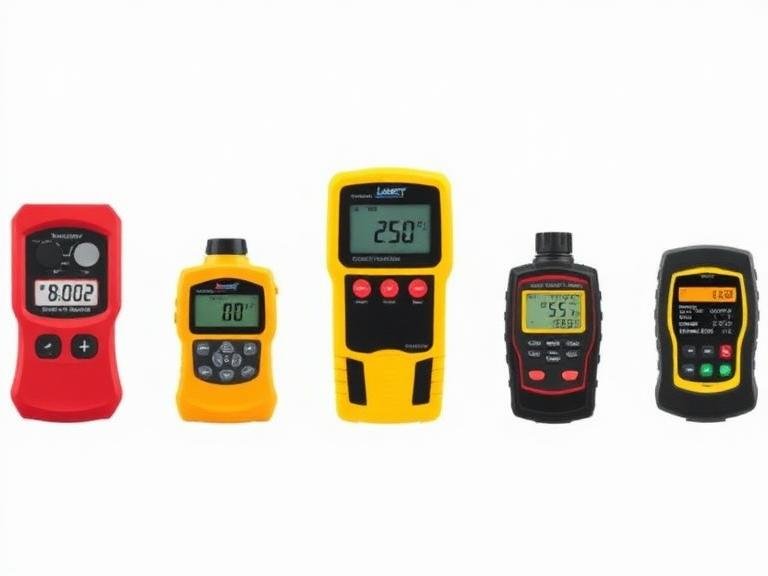
- Portable Gas Detectors: Essential for personal protection, confined space entry, and mobile hazard assessment. Personnel wear these devices to continuously monitor their immediate breathing zone.
- Gas Monitoring System: A centralized control architecture that aggregates data from multiple different types of gas monitors across the facility. This allows for real-time visualization, data logging, and coordinated emergency responses.
- Gas Sensor Module: For Original Equipment Manufacturers (OEMs) and system integrators, we supply raw gas sensor modules that can be custom-engineered into specialized analytical equipment or localized safety devices.
In addition to gas safety, Sino-Inst offers complementary environmental controls, including Dust Monitors for particulate hazard management and Mass Flow Controllers/Meters for precise gas delivery and industrial process optimization.
Summary Table: Comparing the Different Types of Gas Monitors
To assist in your procurement strategy, we have compiled a summary of the 6 different types of gas monitors, highlighting their primary targets and operational characteristics.
| Monitor Type | Target Gases | Primary Advantages | Known Limitations |
|---|---|---|---|
| Electrochemical | Toxic Gases (H2S, CO, Cl2), Oxygen | High accuracy, low power consumption, ideal for portable use. | Shorter lifespan (1-3 years), sensitive to extreme temperatures. |
| Catalytic Bead | Combustible Gases (LEL) | Cost-effective, reliable general combustible detection. | Requires oxygen to function, susceptible to silicone/lead poisoning. |
| Infrared (IR) | Hydrocarbons, CO2 | Immune to chemical poisoning, functions in inert atmospheres, long life. | Cannot detect Hydrogen (H2), higher initial procurement cost. |
| Photoionization (PID) | Volatile Organic Compounds (VOCs) | Extreme sensitivity (ppb/ppm levels), immediate response time. | Broad spectrum (poor gas specificity), UV lamps require regular cleaning. |
| Solid-State (MOS) | Toxics, Combustibles, Refrigerants | Highly durable, long operational lifespan, excels in harsh environments. | Prone to cross-interference from background gases, non-linear output. |
| Ultrasonic | High-Pressure Gas Leaks | Instantaneous detection, unaffected by wind direction or gas type. | Only detects pressurized leaks, does not measure gas concentration. |
Frequently Asked Questions (FAQs)
Industrial environments frequently face mixed atmospheric hazards. For example, a petrochemical plant must monitor for explosive hydrocarbon leaks (best served by Infrared or Catalytic Bead sensors) and highly toxic hydrogen sulfide accumulations (requiring Electrochemical sensors). No single sensor technology can accurately and safely detect every chemical hazard, necessitating a multi-technology approach.
From our experience, calibration frequency depends heavily on the sensor technology and the environmental conditions. Electrochemical and Catalytic Bead sensors generally require routine bump testing before each use and full calibration every 30 to 90 days. Infrared and Ultrasonic monitors are significantly more stable and may only require bi-annual or annual calibration verification.
Absolutely. As a professional supplier of industrial process and analytical instruments, Sino-Inst provides comprehensive application engineering support. We assess your target gases, temperature ranges, background interferents, and integration requirements to recommend the exact Fixed Gas Detectors or Portable Gas Detectors necessary to keep your facility safe and compliant while saving procurement costs.