.png)
International travel offers incredible opportunities for exploration, business, and cultural immersion. However, moving between different countries also means navigating a vast disparity in building codes, safety regulations, and accommodation standards. One of the most severe, yet frequently overlooked, hazards facing global travelers is exposure to carbon monoxide (CO) gas. At Sino-Inst, our decades of experience in engineering industrial-grade gas detection instrumentation have shown us that residential and hospitality safety standards are dangerously inconsistent worldwide. To ensure absolute safety, packing the Best travel carbon monoxide detector for international travel is no longer an optional precaution; it is a fundamental necessity.
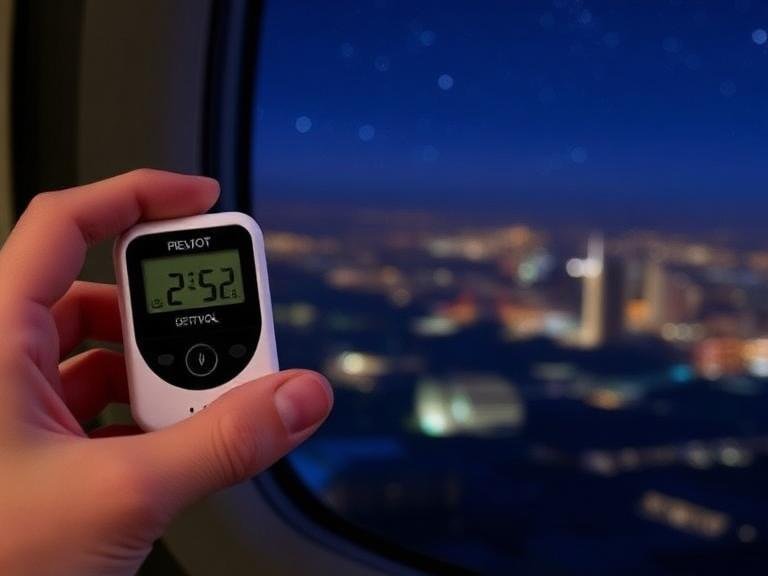
Carbon monoxide is an odorless, colorless, and tasteless gas produced by the incomplete combustion of fossil fuels. In many regions, hotels, boutique guesthouses, and vacation rentals utilize aging gas boilers, poorly ventilated space heaters, or improperly exhausted water heating systems. Without an independent, highly sensitive monitoring device, travelers are entirely vulnerable to this silent threat. We recommend that every global professional, expatriate, and vacationer invest in reliable, portable detection technology. In this authoritative guide, we will leverage our technical expertise to break down the science of portable gas detection, evaluate critical sensor features, and reveal our expertly curated list of the Best travel carbon monoxide detector for international travel available today.
Table of Contents
- Why You Need a Travel Carbon Monoxide Detector
- Expert Criteria: Choosing the Best Travel Carbon Monoxide Detector for International Travel
- The 6 Best Travel Carbon Monoxide Detector for International Travel
- Summary Table: Detector Comparison
- Expert Tips for Detector Placement in Hotel Rooms
- Frequently Asked Questions (FAQs)
- References
Why You Need a Travel Carbon Monoxide Detector
From our experience supplying environmental monitoring equipment to industrial sectors globally, we understand that gas leaks do not discriminate between a petrochemical plant and a luxury hotel suite. The primary issue with international accommodations is the lack of standardized preventative maintenance. A gas water heater sharing a ventilation shaft with a guest room can become a lethal hazard if a minor blockage occurs. Because human senses cannot detect carbon monoxide, symptoms such as headaches, dizziness, and nausea are often mistakenly attributed to jet lag or food poisoning, leading to delayed reactions that can prove fatal.
Securing the Best travel carbon monoxide detector for international travel empowers you to take control of your environmental safety. Unlike standard home detectors that rely on wall outlets, true travel detectors are engineered with independent power sources, ruggedized casings to withstand luggage handling, and sensors calibrated to alert at much lower Parts Per Million (PPM) thresholds than typical residential alarms, ensuring you are notified of a problem long before it reaches critical levels.
Expert Criteria: Choosing the Best Travel Carbon Monoxide Detector for International Travel
Not all commercially available detectors meet the rigorous demands of international transit and varied climates. When our engineers at Sino-Inst evaluate what constitutes the Best travel carbon monoxide detector for international travel, we mandate the following technical criteria:
- Sensor Technology: We strictly recommend electrochemical sensors for carbon monoxide detection. They provide the most accurate linear response to CO concentrations and consume very little power, making them ideal for portable units.
- Power Independence: International voltage standards and plug shapes vary drastically. The Best travel carbon monoxide detector for international travel must feature a long-lasting lithium-ion rechargeable battery or sealed long-life lithium batteries that do not require constant access to a wall outlet.
- Multi-Sensory Alarms: In deep sleep or noisy environments, a simple beep is insufficient. Professional devices must feature a combination of high-decibel audible alarms, bright visual LED flashes, and physical vibration alarms.
- Environmental Tolerance: A detector must maintain calibration accuracy across extreme temperature and humidity fluctuations, as a traveler may move from a frozen alpine lodge to a tropical rainforest within days.
The 6 Best Travel Carbon Monoxide Detector for International Travel
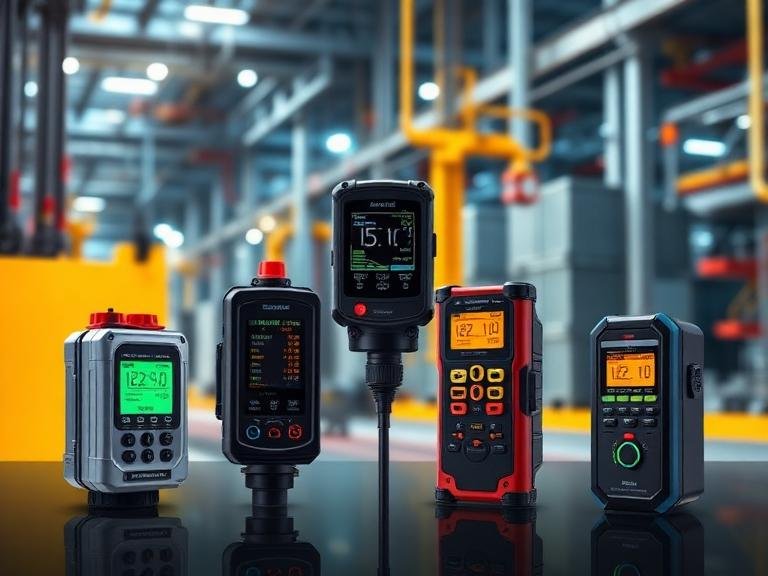
Applying our strict engineering standards, we have compiled the definitive list of the top devices that guarantee your safety abroad. This selection ranges from our own highly advanced industrial-grade solutions adapted for complex travel, to streamlined, specialized consumer models.
1. Sino-Inst Portable Multi Gas Detector for 2~6 Gases

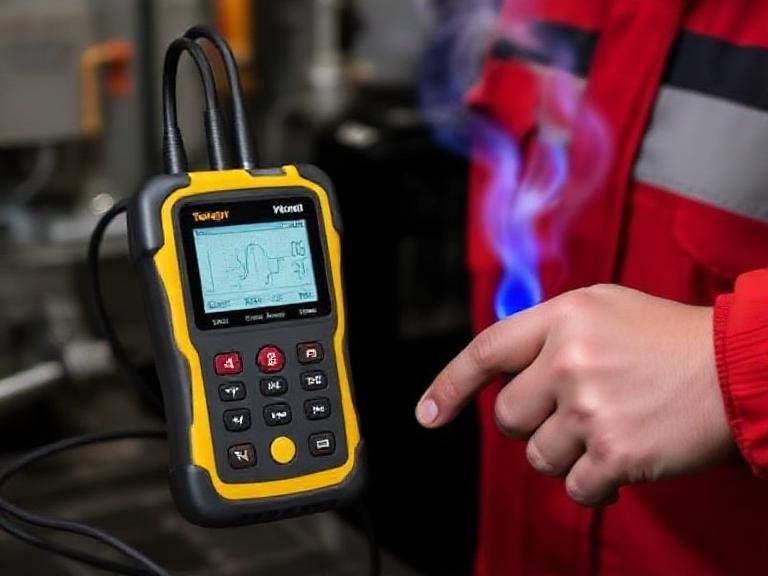
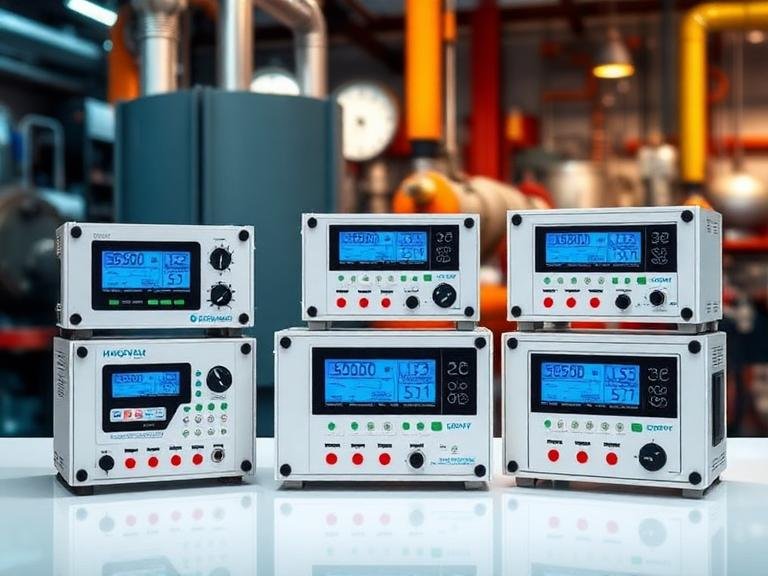
Taking the premier position on our list of the Best travel carbon monoxide detector for international travel is our flagship instrument. The 900A Portable Multi Gas Detector is used for portable and rapid detection of multiple gas concentrations, temperature and humidity measurement, and alarms when exceeding the standard. We understand that global travelers often face threats beyond just CO, which is why 2 to 6 gas detectors can be customized within this single robust unit. For example, it can detect concentrations of carbon monoxide, oxygen, hydrogen sulfide, methane (combustible gas), carbon dioxide, or other toxic and hazardous gases, providing a comprehensive safety net with audible, visual, and vibration alarms.
What elevates this device to the absolute Best travel carbon monoxide detector for international travel is its underlying technology. This high-precision gas sensor utilizes detection principles such as infrared, electrochemical, laser, catalytic combustion, thermal conductivity, and PID photoionization, providing more accurate measurements and faster response times than any consumer-grade alarm. The Portable Multi Gas Detector is widely used in complex, changeable, and potentially dangerous working environments, especially in situations involving multiple harmful and flammable gases. For the uncompromising traveler, expat, or journalist operating in unpredictable global regions, this is the ultimate safeguard.
2. Sino-Inst Portable Voc Gas Detector
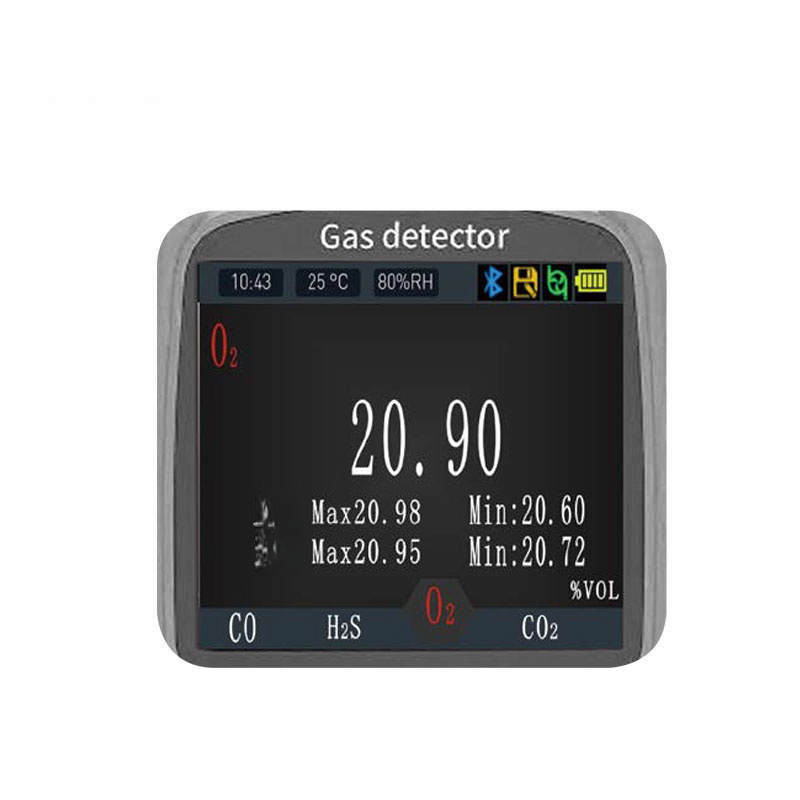
While carbon monoxide is a primary concern, poor indoor air quality in international hotels often includes off-gassing from cheap construction materials or proximity to industrial exhaust. For travelers with chemical sensitivities or asthma, the Sino-Inst Portable Voc Gas Detector serves as a highly specialized alternative or companion device. The Portable Voc Gas Detector is a mobile, rapid-detection, multi-functional gas detector and alarm. It can be equipped with temperature and humidity measurement functions, and the types of gases it can detect can be configured in multiple ways to meet specific customer needs.
This portable diffusion-type VOCs gas alarm is suitable for applications requiring rapid detection of VOCs gas concentration, temperature and humidity measurement, and alarming when levels exceed limits. While highly utilized in industrial settings, it is exceptionally valuable for long-term travelers renting apartments overseas. It can detect gas concentrations in pipelines, confined spaces, and atmospheric environments. The Portable Voc Gas Detector is widely applicable in industries such as spray painting, leather manufacturing, petrochemical plants, printing, wastewater/garbage treatment plants, and gas station leaks. If your travels take you near these environments, this device provides an unmatched layer of environmental intelligence.
3. The Compact Digital Display CO Meter
For those prioritizing minimal luggage weight without sacrificing accuracy, the Compact Digital Display CO Meter is an excellent choice for the Best travel carbon monoxide detector for international travel. These units typically feature a high-grade electrochemical sensor and a clear, backlit LCD screen that displays real-time PPM levels. We recommend this style because seeing a low-level reading (e.g., 15 PPM) allows a traveler to open a window and investigate long before the mandatory alarm threshold (usually 70+ PPM) is reached, providing proactive rather than reactive safety.
4. High-Sensitivity Keychain CO Monitor
Designed originally for aviation pilots who must monitor cockpit air quality, keychain-style monitors have become highly sought after by frequent flyers. As a contender for the Best travel carbon monoxide detector for international travel, these ultra-compact devices clip directly to a backpack or luggage strap. While they lack the complex multi-gas capabilities of the Sino-Inst 900A, they utilize fast-reacting sensors that sound an alarm within seconds of detecting dangerous CO levels. Their primary advantage is that they are always on your person, offering protection not just in the hotel, but during transit in taxis or buses with faulty exhaust systems.
5. Aircraft-Grade Portable CO Alarm
Often housed in a durable aluminum casing, aircraft-grade portable alarms are built to withstand severe pressure changes and physical drops. From our experience in instrument durability testing, plastic consumer alarms can crack in checked luggage, rendering them useless. An aircraft-grade unit is an exceptional Best travel carbon monoxide detector for international travel because it offers a guaranteed 10-year sealed lithium battery lifespan. You simply turn it on at the start of your trip and place it on your bedside table, completely eliminating the anxiety of finding a compatible electrical adapter.
6. Rugged Travel CO & Explosive Gas Detector
In many developing nations, accommodations rely on bottled propane or butane for cooking and heating. A specialized dual-sensor unit that detects both carbon monoxide and explosive combustible gases provides critical dual-threat coverage. While slightly bulkier than a standalone CO meter, we highly recommend this configuration. It earns its place as one of the Best travel carbon monoxide detector for international travel options because it alerts you to unlit gas stoves or leaking propane cylinders—hazards that are astonishingly common in international vacation rental properties.
Summary Table: Detector Comparison
To assist you in selecting the ideal instrument for your specific travel profile, we have compiled a summary table comparing the key attributes of our top recommendations.
| Detector Model / Type | Target Gases Detected | Sensor Technology | Best Suited For |
|---|---|---|---|
| Sino-Inst 900A Multi Gas | CO, O2, H2S, LEL, VOCs (Customizable 2~6) | Electrochemical, PID, Infrared, Catalytic | High-risk global travel, expats, comprehensive safety. |
| Sino-Inst Portable VOC | Volatile Organic Compounds, Custom Gases | PID Photoionization, Electrochemical | Travelers in highly industrialized or newly renovated zones. |
| Compact Digital Display | Carbon Monoxide (CO) Only | Electrochemical | Standard hotel stays, proactive low-level monitoring. |
| Keychain Monitor | Carbon Monoxide (CO) Only | Electrochemical | Ultra-lightpackers, transit monitoring (taxis/buses). |
| Aircraft-Grade Alarm | Carbon Monoxide (CO) Only | Electrochemical (10-year sealed) | Frequent flyers seeking zero-maintenance durability. |
| Rugged Explosive/CO Unit | CO & Combustible Gases (Propane/Methane) | Electrochemical & Catalytic Bead | Vacation rentals with bottled gas, remote cabins. |
Expert Tips for Detector Placement in Hotel Rooms
Purchasing the Best travel carbon monoxide detector for international travel is only the first step; proper deployment is critical for it to function correctly. Carbon monoxide has a molar mass slightly lighter than air, meaning it diffuses evenly throughout a room rather than sinking to the floor or rising exclusively to the ceiling. From our extensive experience in industrial sensor placement, we recommend the following protocols when you arrive at your foreign accommodation:
- Breathing Zone Placement: Place your portable detector on a nightstand or desk, approximately at the height you will be breathing while sleeping. Do not place it flat on the floor or hidden inside a drawer.
- Avoid Dead Air Spaces: Keep the detector away from corners where walls meet the ceiling, as air circulation in these areas is often stagnant, which can delay the sensor’s response time to rising gas levels.
- Distance from Sources: While you want to monitor gas appliances, do not place the detector directly on top of a heater or boiler. The intense heat and immediate exhaust can cause false alarms or damage the sensitive electrochemical sensor. Maintain a distance of at least 5 to 10 feet from the suspected source.
Frequently Asked Questions (FAQs)
Yes. The Best travel carbon monoxide detector for international travel is explicitly designed to comply with aviation regulations. Portable detectors utilizing lithium-ion batteries or sealed lithium power cells are permitted in carry-on luggage. We strongly recommend keeping the device in your carry-on rather than checked baggage to prevent damage to the sensor from extreme temperature drops in the cargo hold.
Industrial-grade units, such as the Sino-Inst Portable Multi Gas Detector, typically require factory calibration every 6 to 12 months to maintain their high-precision accuracy. However, standard consumer travel alarms with sealed 10-year batteries are designed to remain within acceptable accuracy thresholds for their entire lifespan without manual calibration, though their sensors will inevitably degrade after a decade.
A standard, single-gas CO detector will absolutely not alert you to a natural gas (methane) or propane leak. CO and combustible gases require completely different sensor technologies. If you are concerned about explosive gas leaks in international rentals, we recommend a customizable unit like the Sino-Inst 900A, which can be configured to detect both CO and combustible gases simultaneously.
References
1. International Travel Safety Board. “Mitigating Invisible Hazards: Carbon Monoxide Poisoning Statistics in Global Hospitality Sectors.”
3. Occupational Safety and Health Administration (OSHA). “Guidelines for Portable Gas Detection Instrument Deployment in Confined and Transient Spaces.”