.png)
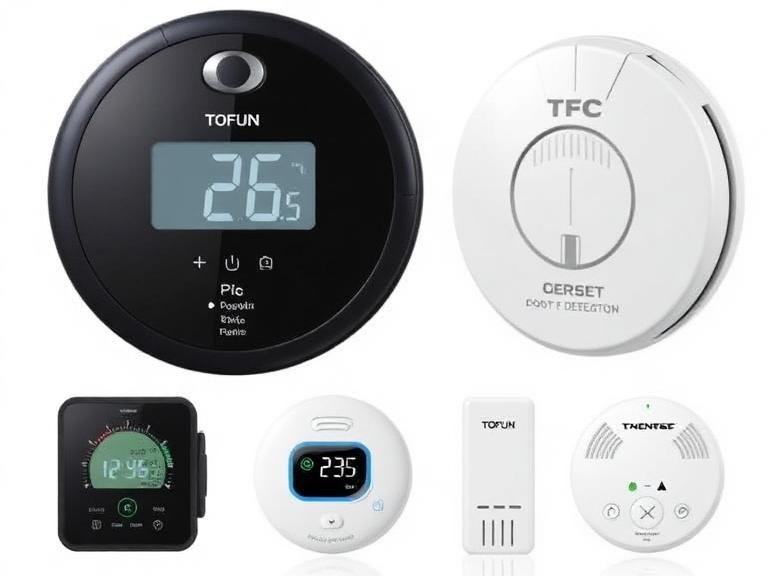
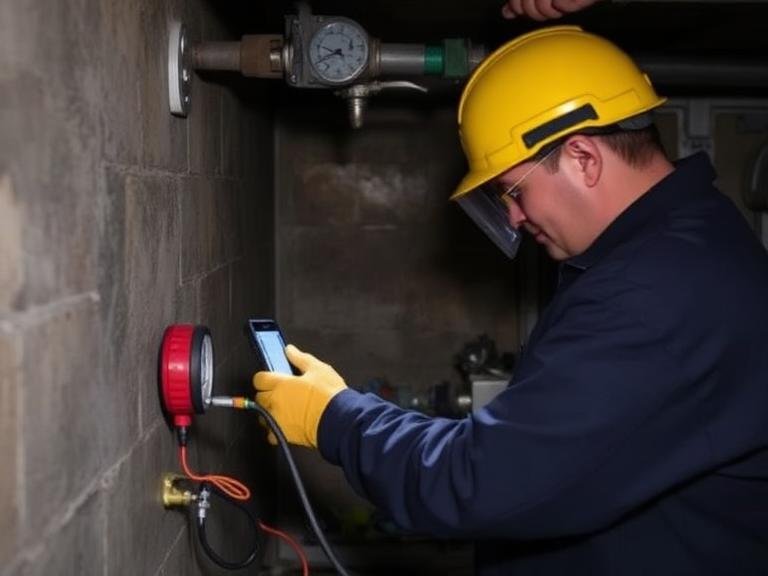
Achieving optimal thermal efficiency and ensuring strict safety compliance in heating systems requires precise diagnostic equipment. Whether you are servicing residential HVAC units or managing large-scale industrial boilers, selecting the Best furnace combustion analyzer is a critical operational decision. Poor combustion analysis leads to wasted fuel, excessive carbon monoxide emissions, and premature equipment failure. From our experience at Sino-Inst, engineers and technicians cannot rely on outdated equipment to meet the stringent emission regulations set for 2026. You need accurate, rugged, and highly responsive instrumentation.
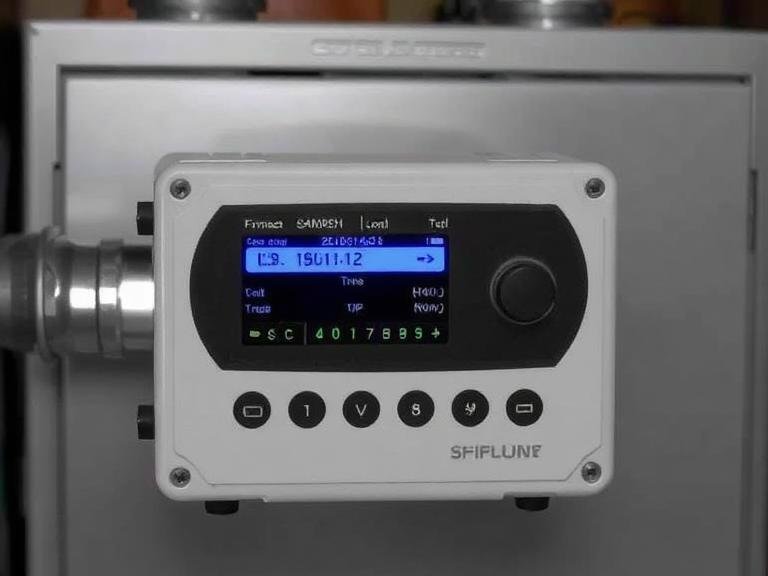
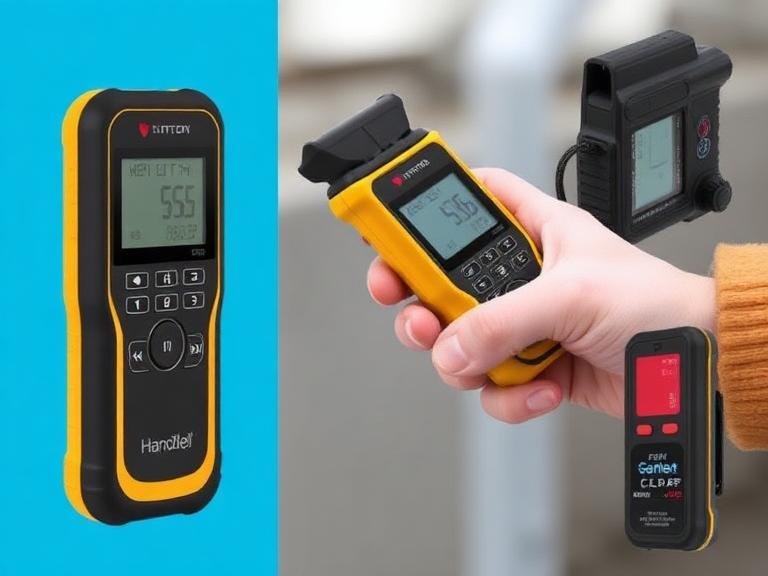
Finding the Best furnace combustion analyzer involves looking beyond basic O2 and CO measurements. Today’s top-tier instruments incorporate touchscreens, wireless reporting, field-replaceable sensors, and dual-port manometers. Furthermore, for industrial applications, continuous combustion optimization requires transitioning from periodic handheld testing to integrated mass flow control systems. In this comprehensive technical review, we evaluate the portable units dominating the market and introduce the ultimate system-level solution for continuous industrial combustion analysis.
Table of Contents
Selection Criteria for the Best Furnace Combustion Analyzer
We evaluate analytical equipment based on sensor longevity, measurement accuracy, and workflow efficiency. From our experience, the Best furnace combustion analyzer must feature field-replaceable sensors. Historically, technicians suffered weeks of downtime sending units back to the manufacturer for oxygen or carbon monoxide sensor calibration. The 2026 market standard dictates that sensors should be pre-calibrated and easily swapped in the field.
Additionally, the Best furnace combustion analyzer will integrate seamless documentation capabilities. Wireless Bluetooth connectivity to mobile devices allows technicians to instantly generate compliance reports and calculate system efficiency. We recommend prioritizing analyzers with robust water trap designs or integrated HydroCycle pumps to prevent internal moisture damage, which remains the leading cause of premature sensor degradation in field operations.
Top 6 Best Furnace Combustion Analyzer Solutions
Based on rigorous field testing, sensor reliability, and industrial application suitability, here are the top choices when sourcing the Best furnace combustion analyzer in 2026.
1. Fieldpiece CAT85 Combustion Analyzer
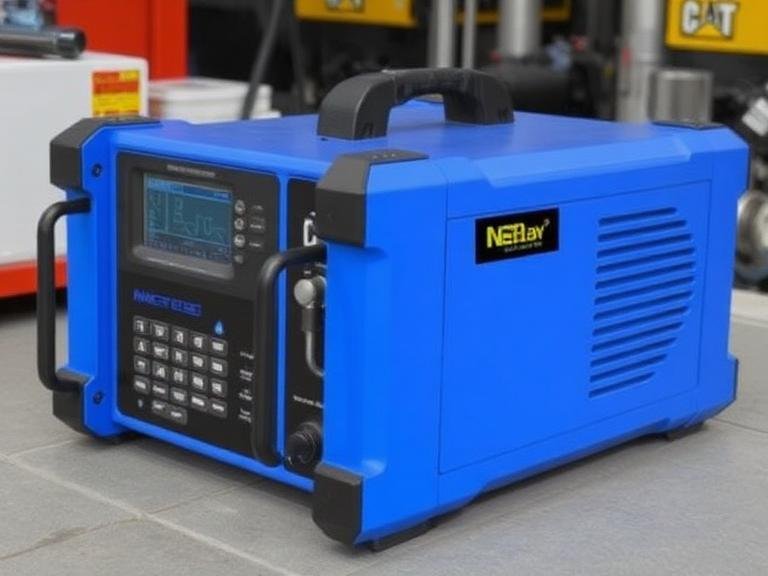
The Fieldpiece CAT85 is widely regarded by HVAC professionals as the Best furnace combustion analyzer for comprehensive residential and light commercial servicing. Its standout feature is the built-in dual-port manometer, eliminating the need to carry a separate diagnostic tool for draft pressure. The CAT85 utilizes an integrated HydroCycle pump that automatically drains condensation, solving the age-old problem of overflowing water traps. We recommend this unit for high-volume service technicians who require rapid, reliable readings and a rugged, magnetic housing for hands-free operation.
2. Testo 310 II Residential Combustion Analyzer
Testo has a legendary reputation in the instrumentation sector. The Testo 310 II builds upon its predecessor’s reliability, offering a streamlined, highly intuitive interface. For contractors who want a straightforward, highly accurate tool without an overly complex learning curve, this is arguably the Best furnace combustion analyzer on the market. It features a rugged design, direct O2, CO, and draft measurements, and calculates CO2 and combustion efficiency flawlessly. Its rapid 30-second start-up time is highly valued during freezing winter emergency calls.
3. Bacharach PCA 400 Portable Combustion Analyzer
When transitioning from residential to heavy commercial and industrial boilers, the Bacharach PCA 400 is the Best furnace combustion analyzer for the job. This unit allows users to measure up to four gases simultaneously (O2, CO, NO, NO2, or SO2). From our experience, commercial compliance requires precise NOx monitoring, which the PCA 400 handles with exceptional accuracy. It also features a continuous dilution mode to protect the CO sensor from extreme high-concentration spikes, a critical feature when tuning large industrial burners.
4. UEi C161 Residential Combustion Analyzer
Cost-effective and incredibly dependable, the UEi C161 holds its position as the Best furnace combustion analyzer for entry-level technicians and budget-conscious fleet managers. Despite its lower price point, it features EOS Technology (Electro-Optical Sensor), which extends the life of the O2 sensor to an impressive 5 years. This drastically reduces the total cost of ownership. We recommend the C161 for standard residential tuning where extreme high-range CO protection is not the primary concern.
5. Sauermann Si-CA 130 Gas Analyzer
Sauermann has disrupted the market with the Si-CA 130, presenting the Best furnace combustion analyzer for technicians who prioritize digital workflow and app integration. The device features a brilliant 4.3-inch color touchscreen and pairs effortlessly with the Sauermann Combustion app. It provides real-time graphing, predictive maintenance alerts, and extremely fast sensor response times. If your operation relies heavily on digital records and modern cloud-based reporting, the Si-CA 130 is an outstanding choice.
6. Sino-Inst SI-20FD-HM High Accuracy Mass Flow Meter
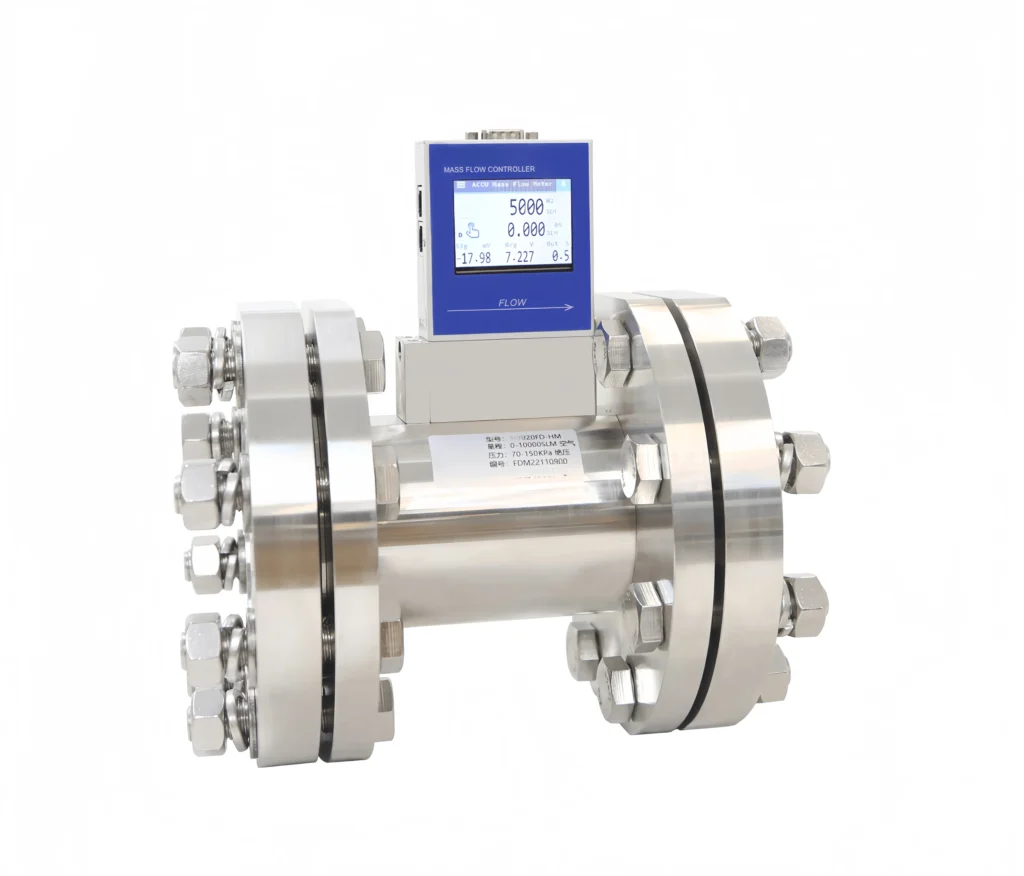
While handheld portable units are essential for periodic tune-ups, the Best furnace combustion analyzer strategy for industrial manufacturing requires continuous, automated air-fuel ratio control. Handhelds diagnose the exhaust; but highly accurate mass flow meters control the input combustion directly. From our experience, integrating the Sino-Inst SI-20FD-HM High Accuracy Mass Flow Meter Ultra-Large Range into your furnace system guarantees perfect stoichiometric combustion 24/7, reducing fuel waste and eliminating emissions before they happen.
This is not a handheld tester, but a permanent, system-level combustion control instrument. We recommend it for industrial furnaces, metallurgy, and chemical processing plants where exact gas flow measurements dictate combustion efficiency.
| Product Model | SI-20FD-HM |
|---|---|
| Measurement Range | 6000SLM to 20000SLM |
| Control Range | Flow measurement range ratio 100:1 |
| Accuracy | ±0.5%F.S |
| Linearity | ±0.5%F.S |
| Repeatability | ±0.2%F.S |
| Response Time | Flowmeter: <0.1s | Flow controller: <0.2s |
| Digital Input | RS232/485, MODBUS protocol |
| Analog Input | 0–5V, 4–20mA, 1–5V |
| Power Supply | ±15VDC, 24VDC |
| Operating Temperature | 0–50°C |
| Operating Pressure | Operating Differential Pressure: 0.3–0.5MPa |
| Maximum Pressure Rating | 3MPa/10MPa |
| Electrical Connection | DB9 Port, RJ11, 5.5×2.1 Power Quick Connector |
| Leak Rate | 1×10⁻⁹ Pa m³/s |
| Temperature Coefficient | ±0.025% F.S./°C |
| Base Material | Stainless steel |
| Seal Material | Fluorocarbon rubber, neoprene, nitrile rubber |
| Connector | φ12, 1“, 2”, flange mounting |
Portable Handhelds vs. Continuous Flow Integration
Choosing the Best furnace combustion analyzer depends entirely on your application scale. For residential HVAC contractors performing annual maintenance, a portable unit like the Fieldpiece CAT85 is indispensable. It provides the immediate exhaust gas analysis necessary to tune a burner manually. However, manual tuning is static. Once the technician leaves, ambient temperature and gas pressure fluctuations can shift the combustion efficiency.
In contrast, large-scale industrial operations cannot rely on annual static tuning. From our experience, the Best furnace combustion analyzer approach for heavy industry is proactive, continuous mass flow control. By installing the Sino-Inst SI-20FD-HM directly into the gas and air supply lines, the furnace’s PLC can dynamically adjust the air-fuel ratio in real-time. This eliminates the lag time of exhaust gas analysis and guarantees optimal combustion at all times, drastically reducing fuel consumption overhead.
Summary Table: Best Furnace Combustion Analyzer Comparison
To assist in your procurement process, we have summarized the key attributes of the top systems. We recommend matching the instrument’s core competency to your specific field requirements to ensure you invest in the Best furnace combustion analyzer for your technicians.
| Brand / Model | Ideal Application | Key Feature | Form Factor |
|---|---|---|---|
| Fieldpiece CAT85 | Residential & Light Commercial | Auto-draining HydroCycle Pump | Portable Handheld |
| Testo 310 II | Residential HVAC | Rapid 30-second start-up | Portable Handheld |
| Bacharach PCA 400 | Heavy Commercial & Industrial | Multi-gas NO/NOx capability | Portable Handheld |
| UEi C161 | Entry-Level Residential | 5-Year EOS O2 Sensor | Portable Handheld |
| Sauermann Si-CA 130 | Digital Reporting Workflows | 4.3″ Touchscreen & Advanced App | Portable Handheld |
| Sino-Inst SI-20FD-HM | Industrial Furnaces / Process Heating | Real-time ultra-large range flow control | Inline System Component |
Frequently Asked Questions (FAQs)
Most standard electrochemical sensors for oxygen (O2) and carbon monoxide (CO) last between 2 to 4 years, depending on exposure levels. However, newer optical technologies, like those found in the UEi C161, can extend sensor life up to 5 years. We recommend replacing sensors immediately if calibration fails.
While a portable Best furnace combustion analyzer measures the output (exhaust gases), a mass flow meter like the Sino-Inst SI-20FD-HM measures and controls the input (fuel and air). Controlling the input in real-time prevents poor combustion from occurring in the first place, which is mandatory for high-efficiency industrial furnaces.
From our experience, industry standards require that the Best furnace combustion analyzer be calibrated at least once every 12 months. Regular calibration ensures accuracy against drift caused by chemical degradation of the internal sensors, keeping you compliant with safety and environmental regulations.
References
1. Sino-Inst Technical Engineering Data, Flow Control Division, 2026.
3. HVAC Industry Standards for Residential Combustion Analysis and Equipment Calibration.