.png)
Carbon monoxide (CO) is often referred to as the “silent killer” for a terrifyingly accurate reason. It is colorless, odorless, and tasteless, making it undetectable to human senses until it is often too late. Produced by the incomplete combustion of fossil fuels in furnaces, stoves, grills, fireplaces, and vehicles, CO can accumulate indoors and lead to fatal poisoning. The only line of defense between your family and this deadly gas is a properly installed detector. However, owning a device is only half the battle; knowing the best place to put a carbon monoxide detector is what actually saves lives.
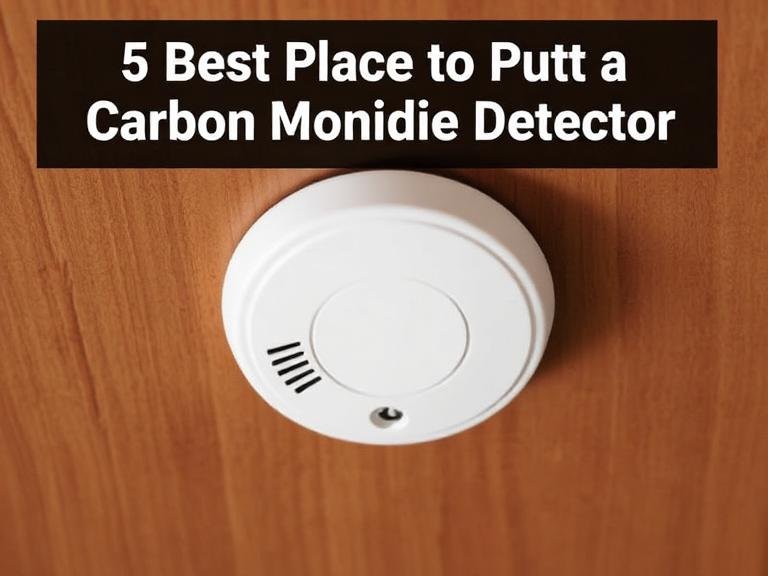
Unlike smoke, which rises quickly to the ceiling, carbon monoxide mixes with the air. This physical property changes the rules of installation. Placing a detector in the wrong spot—such as right next to a window or buried in a corner—can render it useless. In this comprehensive guide, we will analyze the science of CO movement, detail the specific locations required by safety codes, and introduce industrial solutions for commercial safety. By the end of this article, you will know exactly how to optimize your home or facility for maximum protection.
- 1. Understanding CO Behavior: Why Placement Matters
- 2. Place #1: Inside Every Bedroom
- 3. Place #2: The Hallway (Outside Sleeping Areas)
- 4. Place #3: Living Rooms and Common Areas
- 5. Place #4: The Basement (Near the Furnace)
- 6. Place #5: The Attached Garage Entryway
- 7. The Height Debate: Ceiling vs. Wall vs. Plug-in
- 8. Industrial and Commercial CO Detection
- 9. Where NOT to Place a Detector
- 10. Maintenance and Testing Protocols
- 11. Summary Comparison Table
- 12. Frequently Asked Questions (FAQs)
- 13. References
1. Understanding CO Behavior: Why Placement Matters
Before pinning a device to the wall, it is crucial to understand the physics of the gas you are trying to detect. Many people assume that because smoke detectors go on the ceiling, the best place to put a carbon monoxide detector must also be the ceiling. This is a partial truth. Carbon monoxide is slightly lighter than air, but not by much. It has a specific gravity of 0.9657 (air is 1.0). This means that while it technically rises, it mixes very easily with standard room air currents.
Because CO mixes with the air rather than stratifying strictly at the top of the room, detectors can be effective on the ceiling, high on the wall, or even lower down (like plug-in models), provided they are not blocked by furniture or curtains. The critical factor is airflow and proximity to breathing zones.
2. Place #1: Inside Every Bedroom
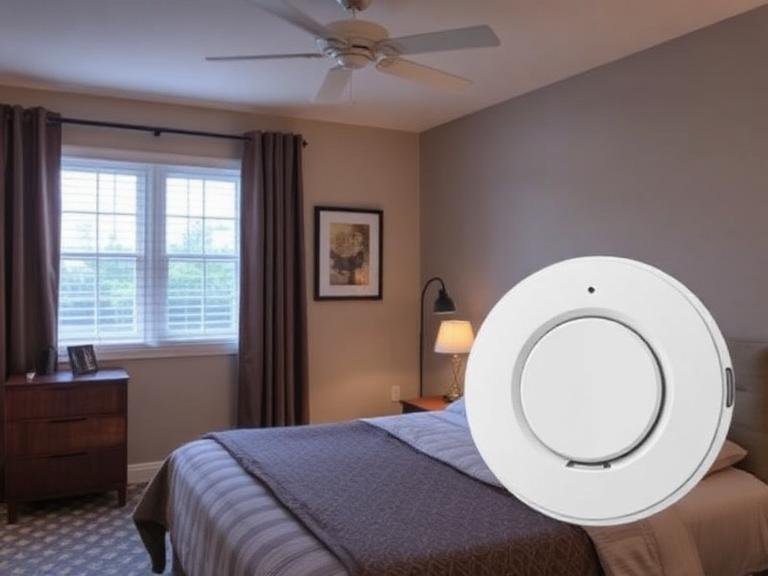
The single most dangerous time for carbon monoxide poisoning is at night when the household is asleep. CO poisoning symptoms—dizziness, headache, confusion—often mimic the feeling of simply being tired or having the flu. If you are asleep, you likely will not wake up from the symptoms alone.
Therefore, the absolute best place to put a carbon monoxide detector is inside every bedroom. This ensures that the alarm is loud enough to wake the occupant immediately. If a leak occurs during the night, a detector in the hallway might not be loud enough to penetrate a closed heavy door and wake a deep sleeper or a child.
Special Considerations for Children and Elderly
Children and the elderly are more susceptible to the effects of CO. Having a dedicated unit in their rooms provides the fastest possible alert time, allowing for evacuation before incapacitation sets in.
3. Place #2: The Hallway (Outside Sleeping Areas)
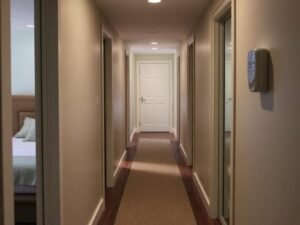
If installing a unit in every single bedroom is not immediately feasible (though highly recommended), the next best place to put a carbon monoxide detector is in the hallway outside the sleeping area. This serves as a central monitoring point.
Most building codes require at least one detector on every level of the home that has a bedroom. If you have a hallway that connects three bedrooms, a centrally located detector can often suffice for code compliance, provided the alarm decibel level is sufficient (usually 85 decibels) to be heard through closed doors. However, for maximum safety, redundant coverage (in rooms and in the hall) is superior.
4. Place #3: Living Rooms and Common Areas
We spend a significant amount of waking hours in the living room or family room. These areas often contain potential CO sources such as wood-burning fireplaces or gas space heaters. Installing a detector here protects the family during the day.
The best place to put a carbon monoxide detector in a living room is at least 15 feet (approx. 4.5 meters) away from any fuel-burning appliance. Why? Because appliances like gas fireplaces or stoves release small, harmless “puffs” of CO upon startup. If the detector is placed right next to the fireplace, these startup puffs can cause nuisance false alarms. Placing it 15 feet away ensures it only alarms when there is a sustained, dangerous accumulation of gas.
5. Place #4: The Basement (Near the Furnace)
The basement is often the “heart” of the home’s mechanical systems, housing the furnace, water heater, and perhaps a dryer—all major potential sources of carbon monoxide. A leak here can quickly travel up the HVAC ducts to the rest of the house.
The best place to put a carbon monoxide detector in the basement is near the top of the stairs leading to the main floor. By placing it here, you catch the gas as it attempts to migrate to the living areas. If you have a finished basement with a bedroom, a detector is mandatory inside that room as well.
6. Place #5: The Attached Garage Entryway
An attached garage is a massive risk factor. Warming up a car in the garage, even with the door open, can force CO into the house. Or, a driver might accidentally leave a keyless-entry car running, forgetting to turn it off.
However, you should NOT put the detector inside the garage. The temperature fluctuations and vehicle exhaust will cause constant false alarms and may damage the sensor. Instead, the best place to put a carbon monoxide detector is just inside the house, in the room or hallway adjacent to the door that leads to the garage. This acts as a firewall, alerting you if fumes from the garage are penetrating the home’s interior.
7. The Height Debate: Ceiling vs. Wall vs. Plug-in
Once you have identified the rooms, the next question is vertical placement. Because CO mixes with air, height is less critical than it is for smoke detection, but there are best practices.
- Wall Mounting: Many experts recommend placing the detector about 5 feet off the ground (eye level). This is the “breathing zone,” and it also makes it easy to read the digital display and test the device weekly.
- Ceiling Mounting: If you are using a combination Smoke/CO detector, it must be on the ceiling because smoke rises. This is perfectly effective for CO as well.
- Plug-In Models: These are convenient and sit low to the ground. While effective, ensure they are not blocked by couches or curtains. Also, be aware that curious pets or children might unplug them.
8. Industrial and Commercial CO Detection
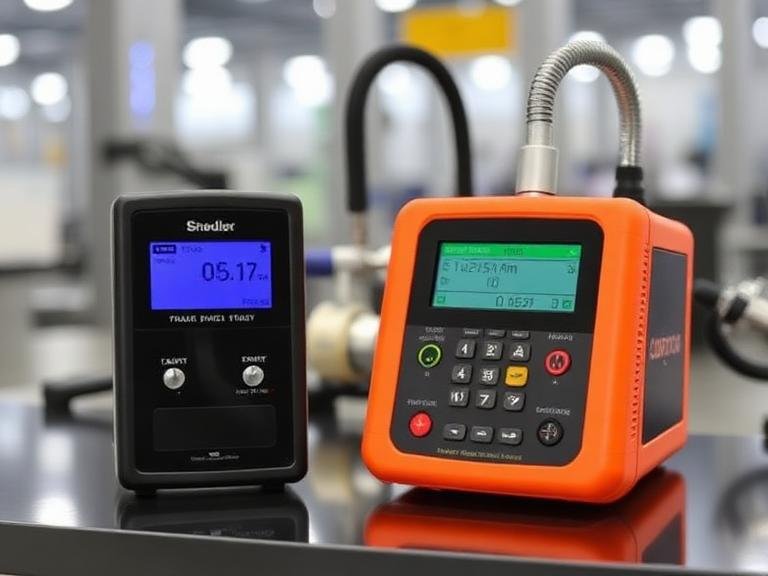
While residential safety is vital, industrial environments face unique challenges with carbon monoxide, often involving much higher concentrations and harsher conditions. For factories, mines, parking garages, and chemical plants, a standard home detector is insufficient.
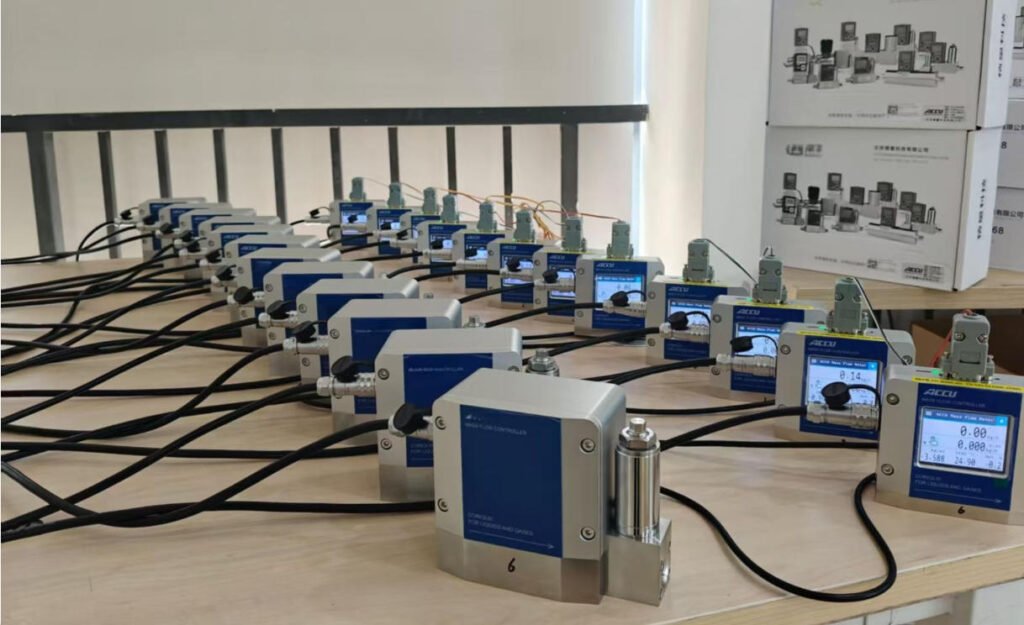
Sino-Inst is a professional supplier of industrial process and analytical instruments, including gas detectors, gas analyzers, dust detectors, mass flow controllers, and dust monitors. We can help you obtain reliable measurement and analysis solutions while saving procurement costs. Customized products and OEM services are available. We will be your most trusted partner!
Featured Industrial Safety Products:
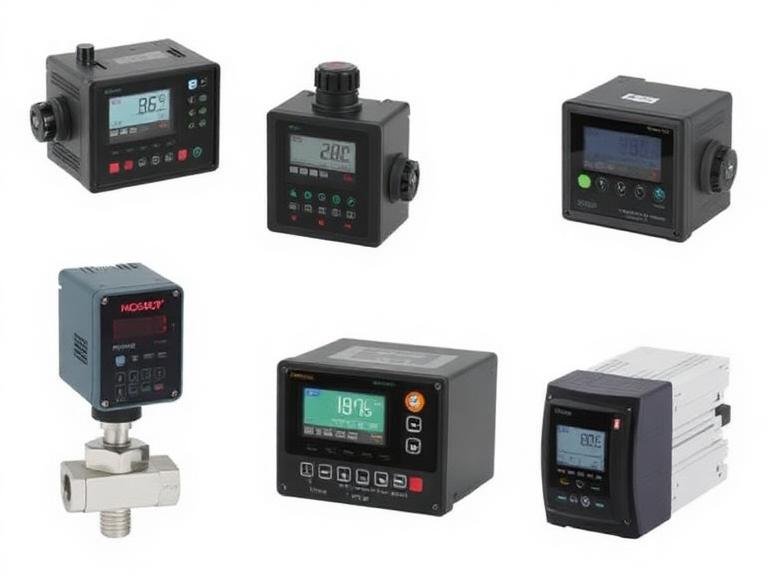
- Fixed Gas Detectors: Permanent installations for continuous monitoring of hazardous gases in factories and plants.
- Portable Gas Detectors: Personal safety devices for technicians working in confined spaces.
- 800 Series Gas Sensor Module: High-sensitivity modules for OEM integration.
- Gas Monitoring System: Complete turn-key solutions for facility-wide safety.
- Dust Monitors: Particulate matter detection for air quality compliance.
- Mass Flow Controllers/Meters: Precise control for gas mixing and delivery.
- pH/ORP Controller & Sensors: Comprehensive liquid analysis tools including Glass and Plastic-Shell Electrodes.
- Dissolved Oxygen (DO) & Conductivity Sensors: Essential for water quality management.
For industrial clients asking where the best place to put a carbon monoxide detector is in a facility, Sino-Inst provides the expertise to map out sensor locations based on airflow dynamics and hazard sources.
9. Where NOT to Place a Detector
Knowing where not to install the device is just as important as knowing the best place to put a carbon monoxide detector. Improper placement leads to false alarms (which cause people to disable the unit) or sensor failure.
- Bathrooms: High humidity and steam can damage the sensor or cause false triggering.
- Within 15 feet of cooking appliances: As mentioned, startup puffs from gas stoves cause nuisance alarms.
- Near Windows or Fans: Strong drafts can blow fresh air over the sensor, preventing it from reading the true CO levels in the room.
- Direct Sunlight: Extreme heat can degrade the sensor over time.
- Behind Drapes or Furniture: Blocked airflow renders the device useless.
10. Maintenance and Testing Protocols
Even if you find the best place to put a carbon monoxide detector, the device must be maintained. CO sensors have a limited lifespan.
- Test Weekly: Press the “Test” button to ensure the battery and siren work.
- Replace Batteries: Every 6 months, or immediately if the unit chirps.
- Replace Unit: Every 5 to 7 years. Unlike smoke detectors which can last 10 years, CO sensors degrade faster. Check the manufacture date on the back.
11. Summary Comparison Table
| Location | Priority Level | Why It Is Critical |
|---|---|---|
| Inside Bedrooms | Critical (High) | Wakes sleeping occupants; loudest alert. |
| Hallways | Mandatory (Code) | Central monitoring; covers multiple rooms. |
| Living Room | Recommended | Protects during waking hours; near fireplaces. |
| Basement | High | Early warning from furnace leaks. |
| Garage Entry | High | Protects against vehicle exhaust intrusion. |
12. Frequently Asked Questions (FAQs)
13. References
1. National Fire Protection Association (NFPA). “Carbon Monoxide Safety.” NFPA.org.
2. U.S. Consumer Product Safety Commission (CPSC). “Carbon Monoxide Alarm Placement Guidelines.”